
Level 1 sweep and inspection to the NFPA 211 annual standard - flue, crown, cap, and flashing checked and photographed
Chimney sweep logs do not sweep chimneys. They loosen some creosote - which then falls where a brush and vacuum still have to collect it.
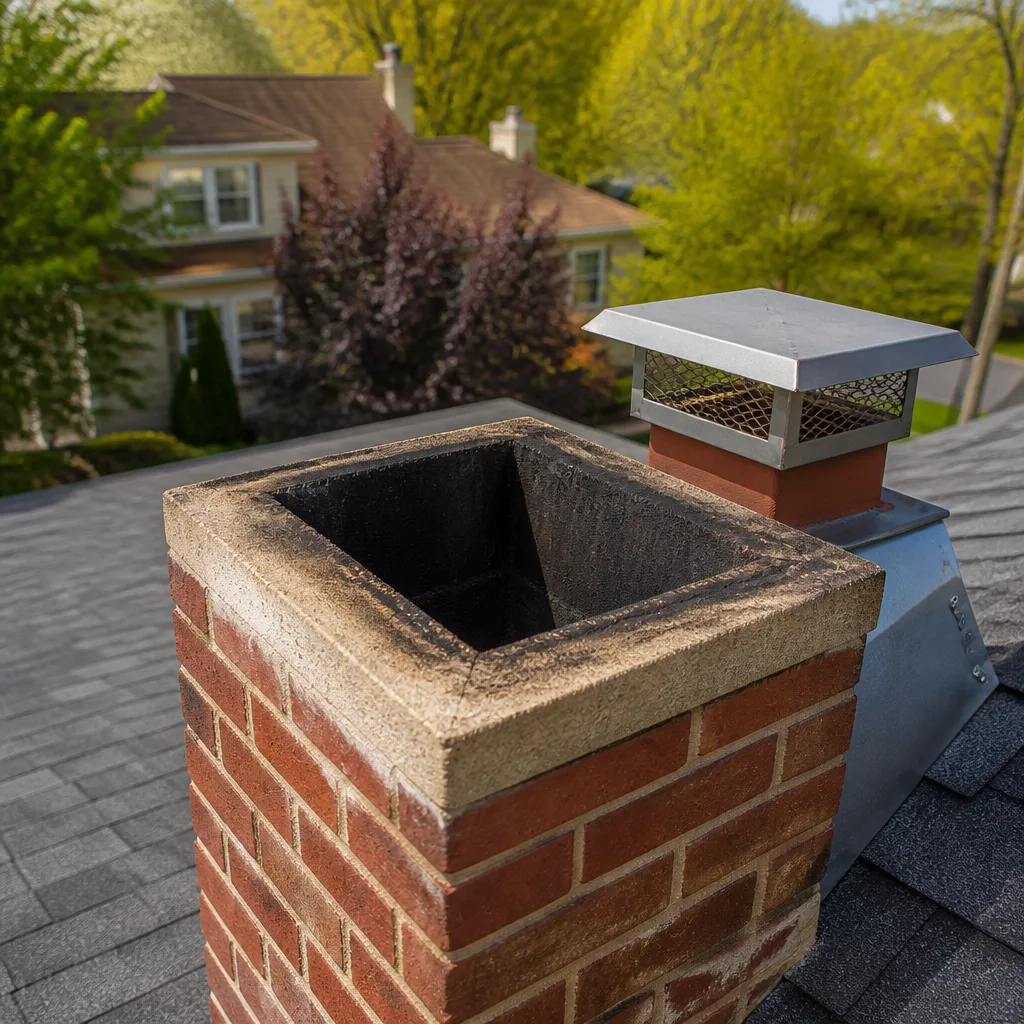
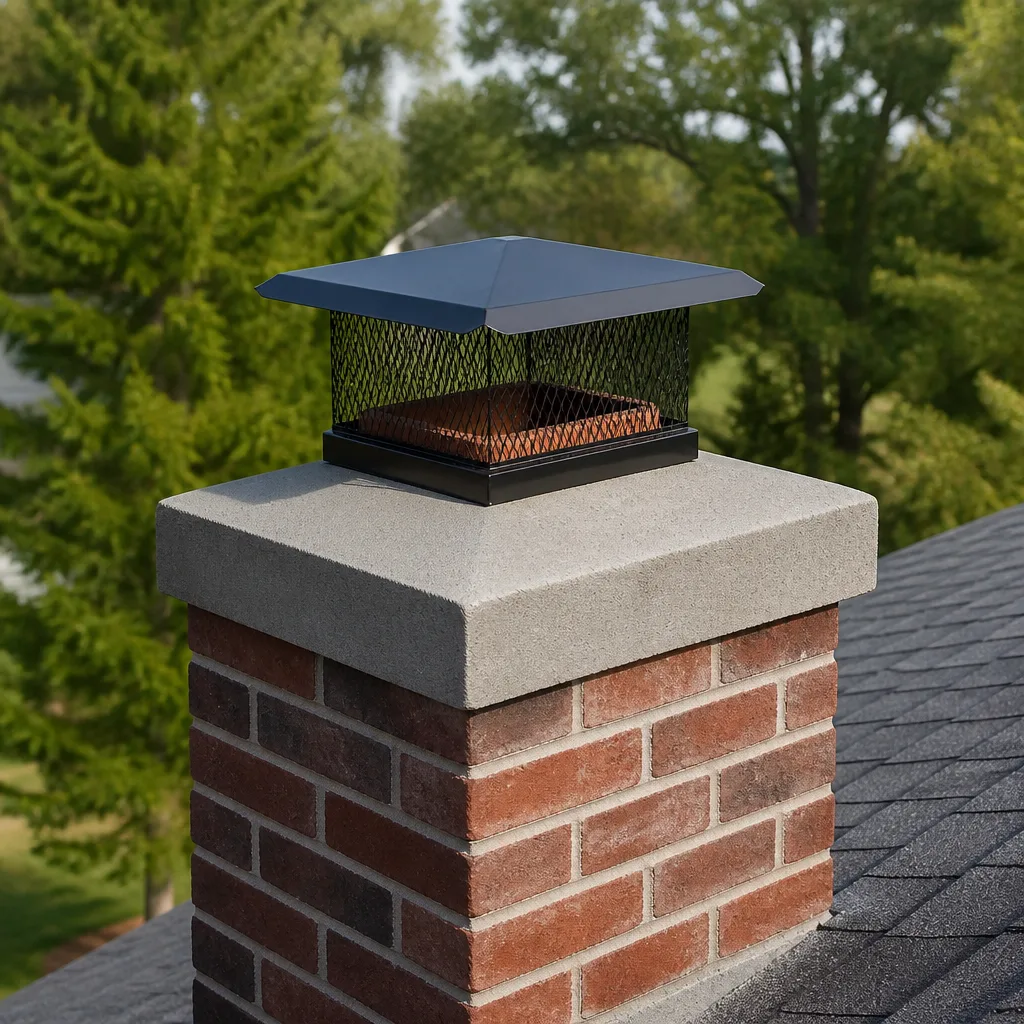
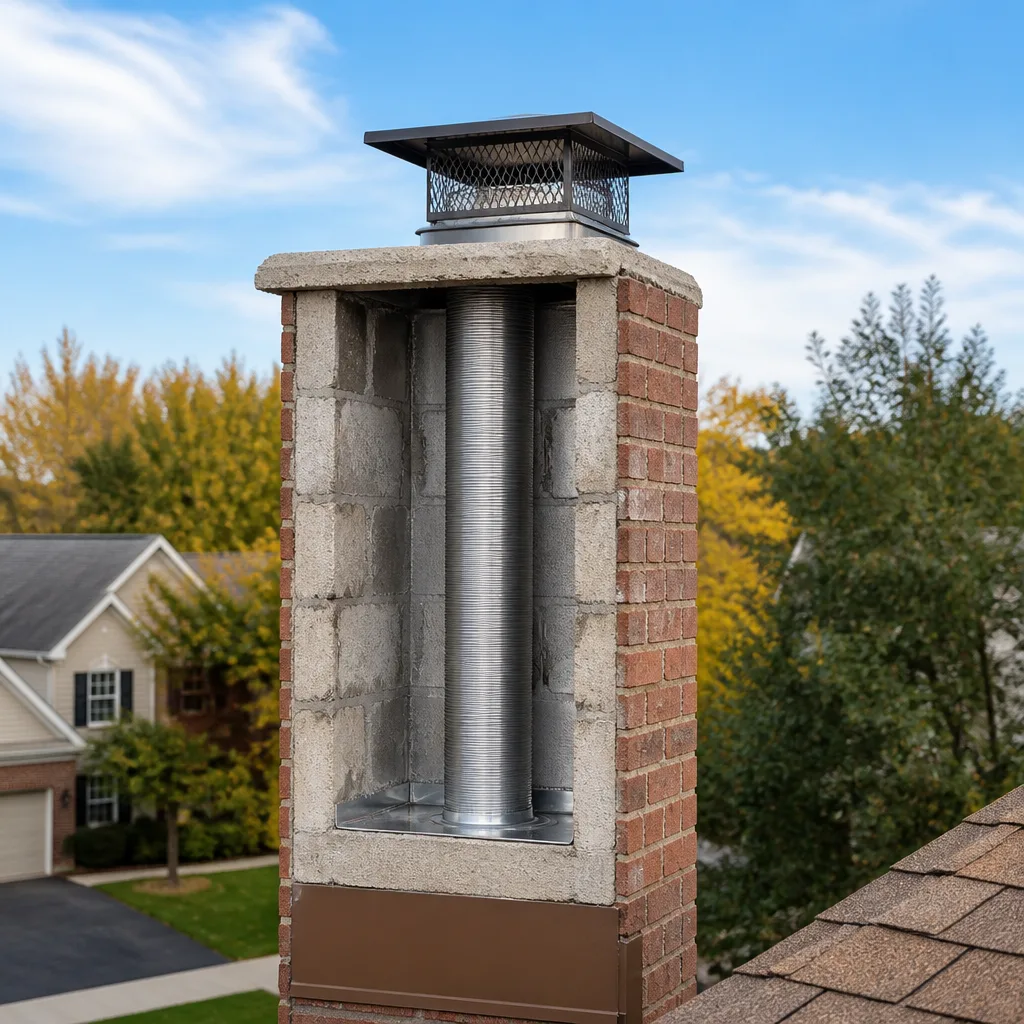
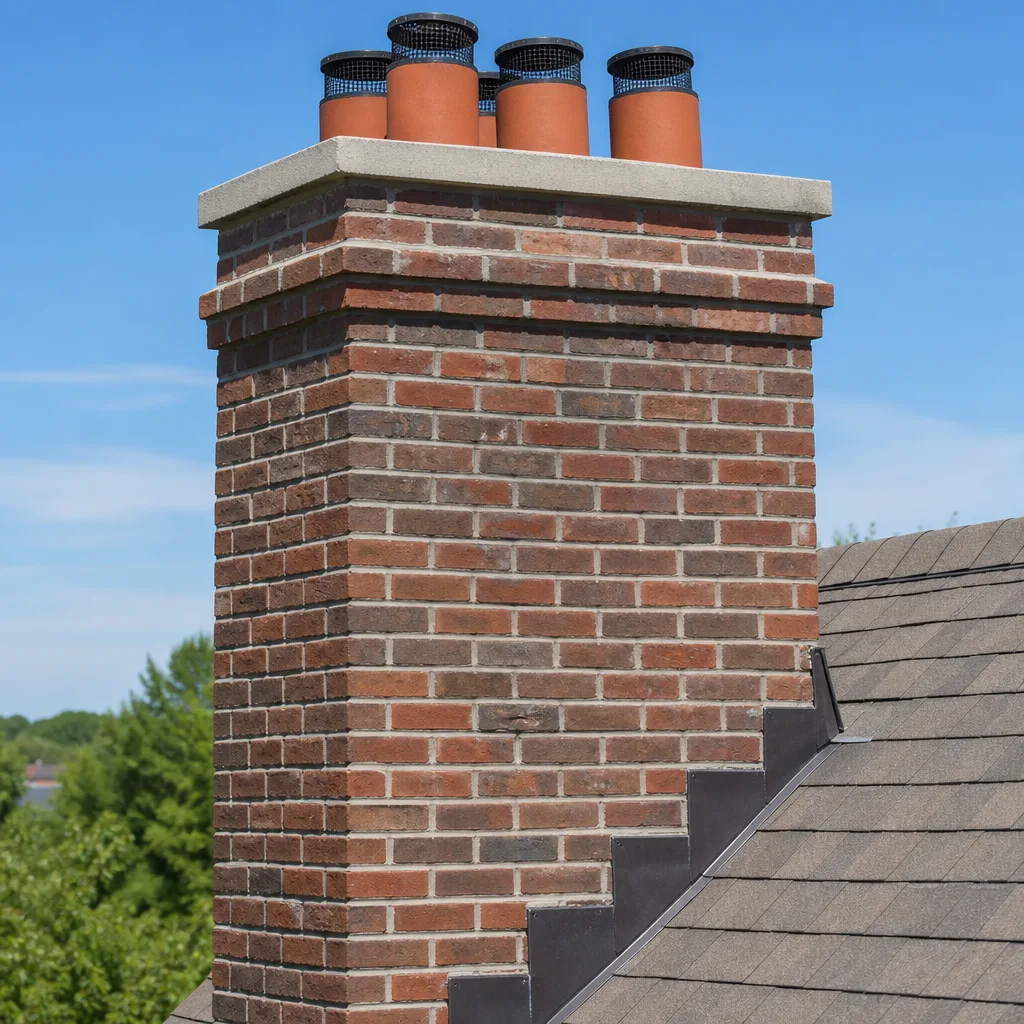
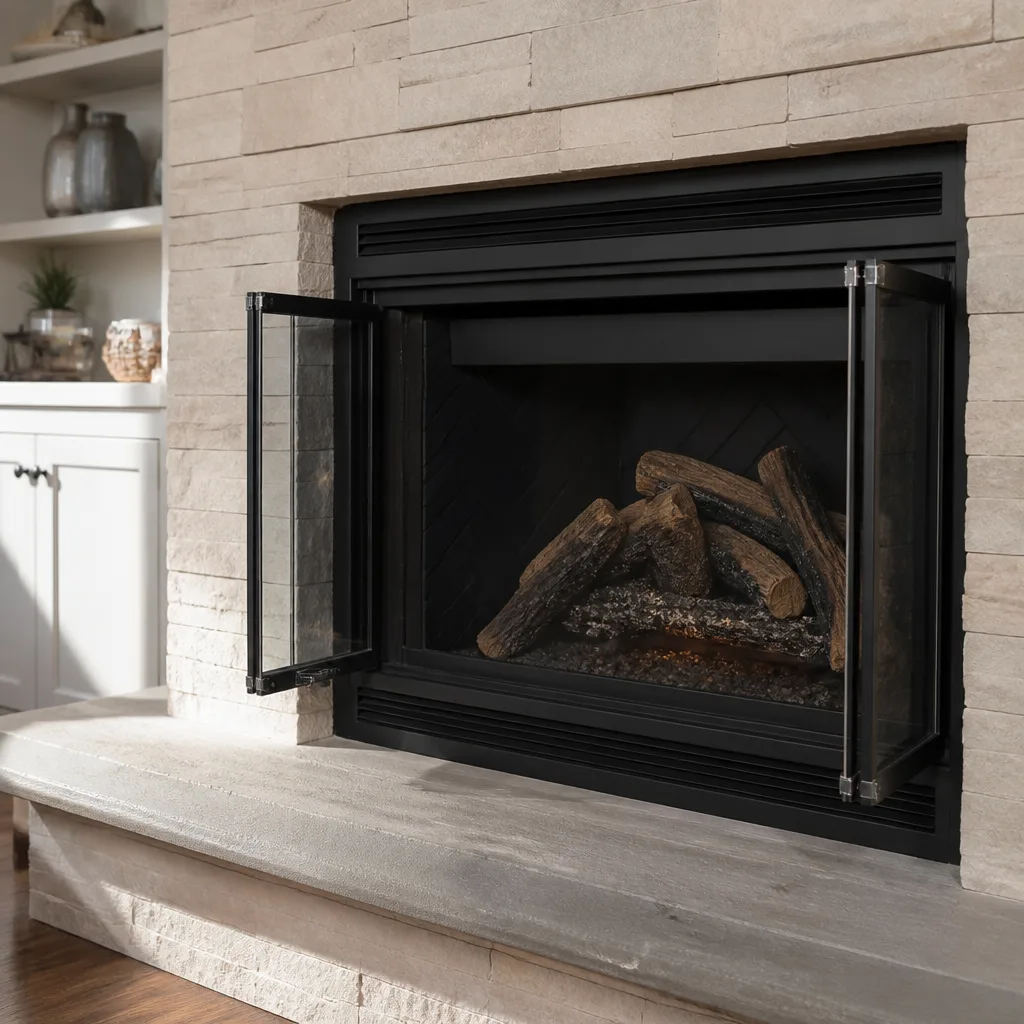
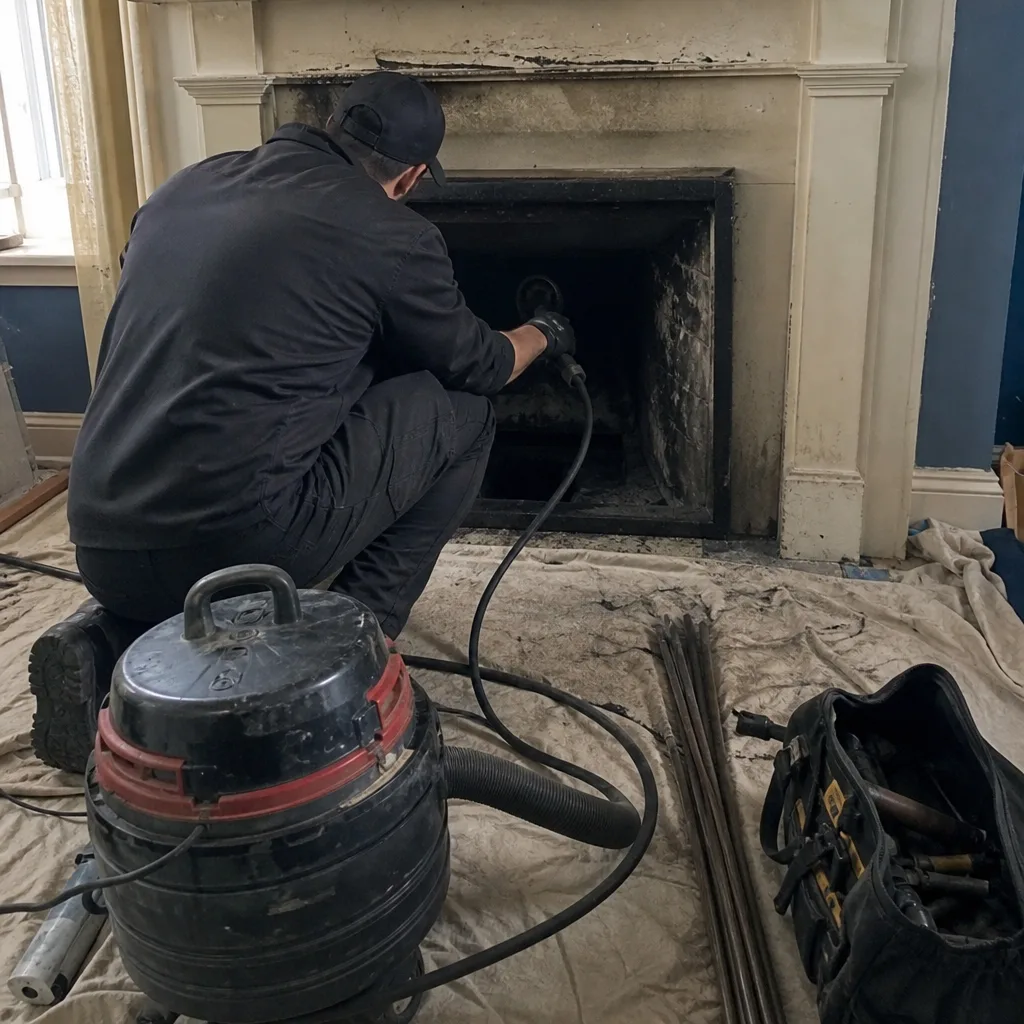 Before
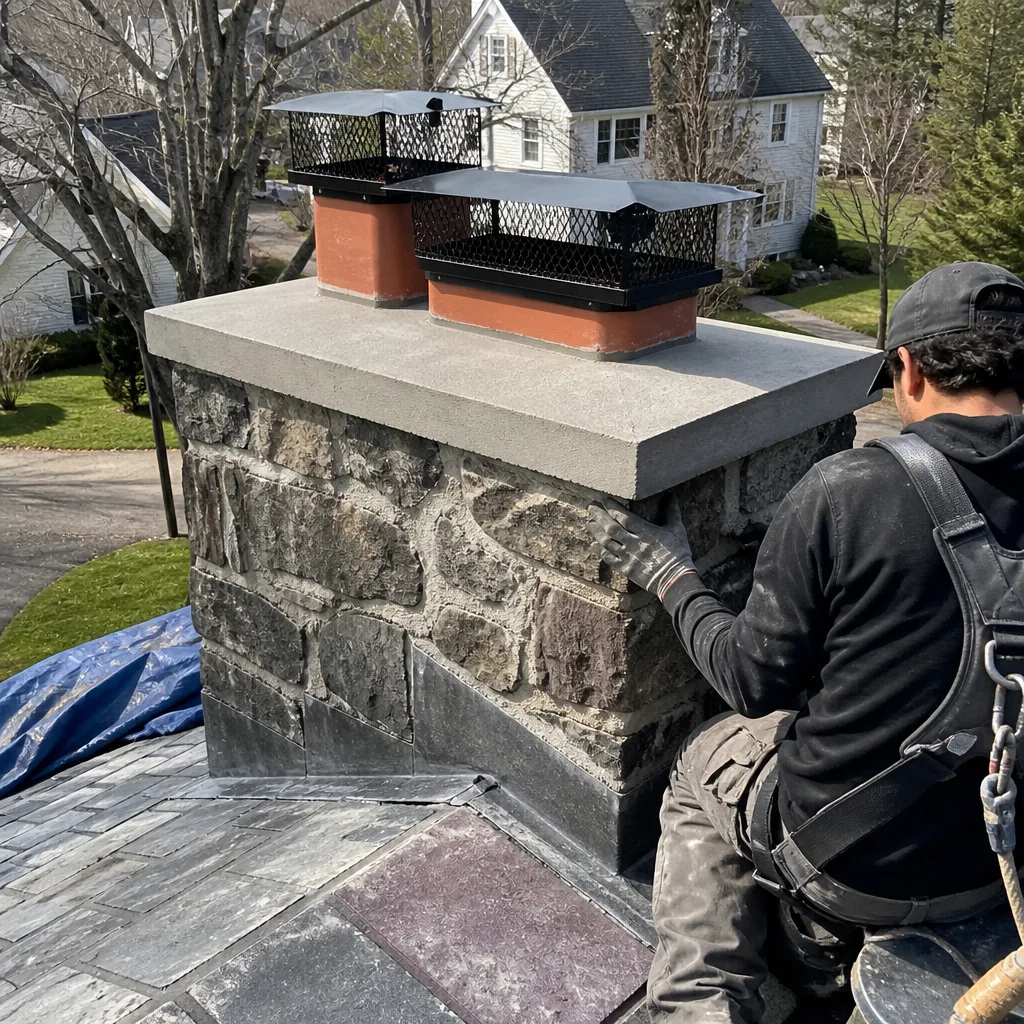 After
After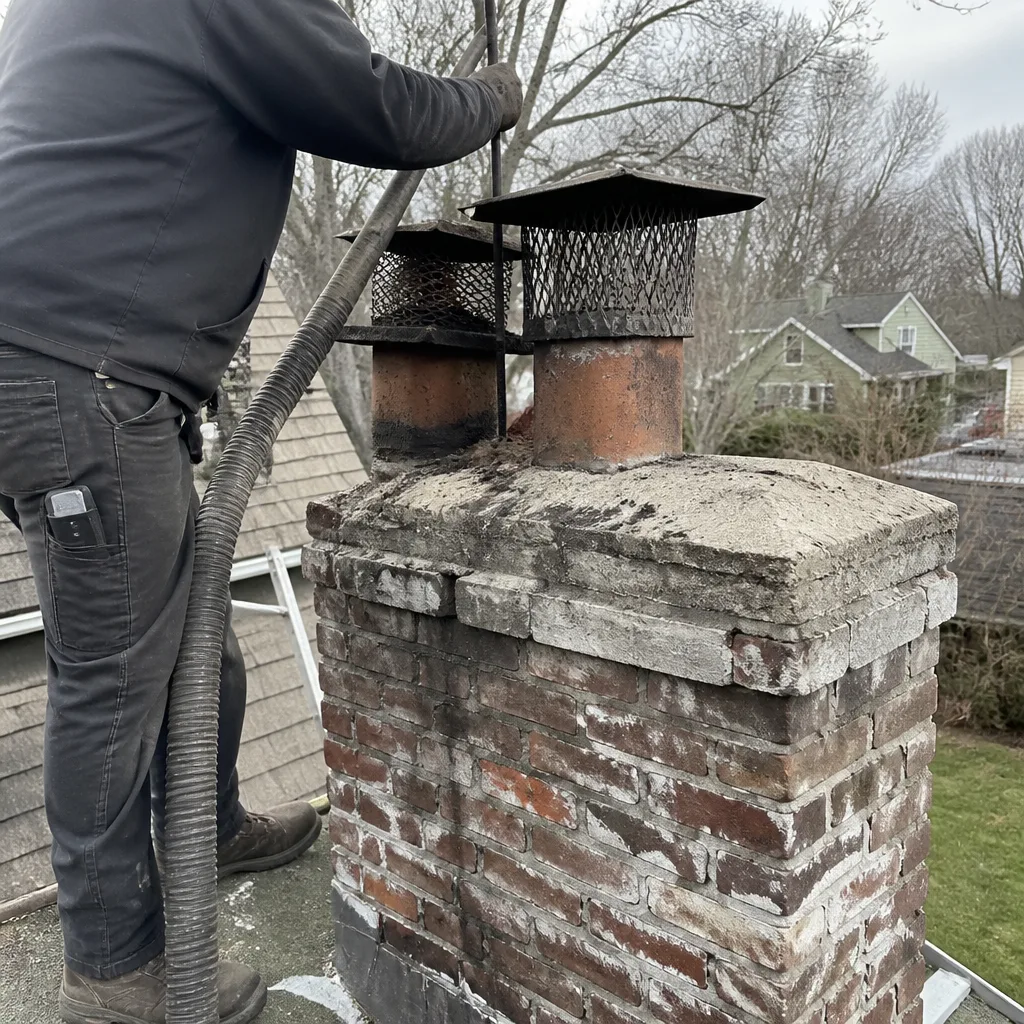 Before
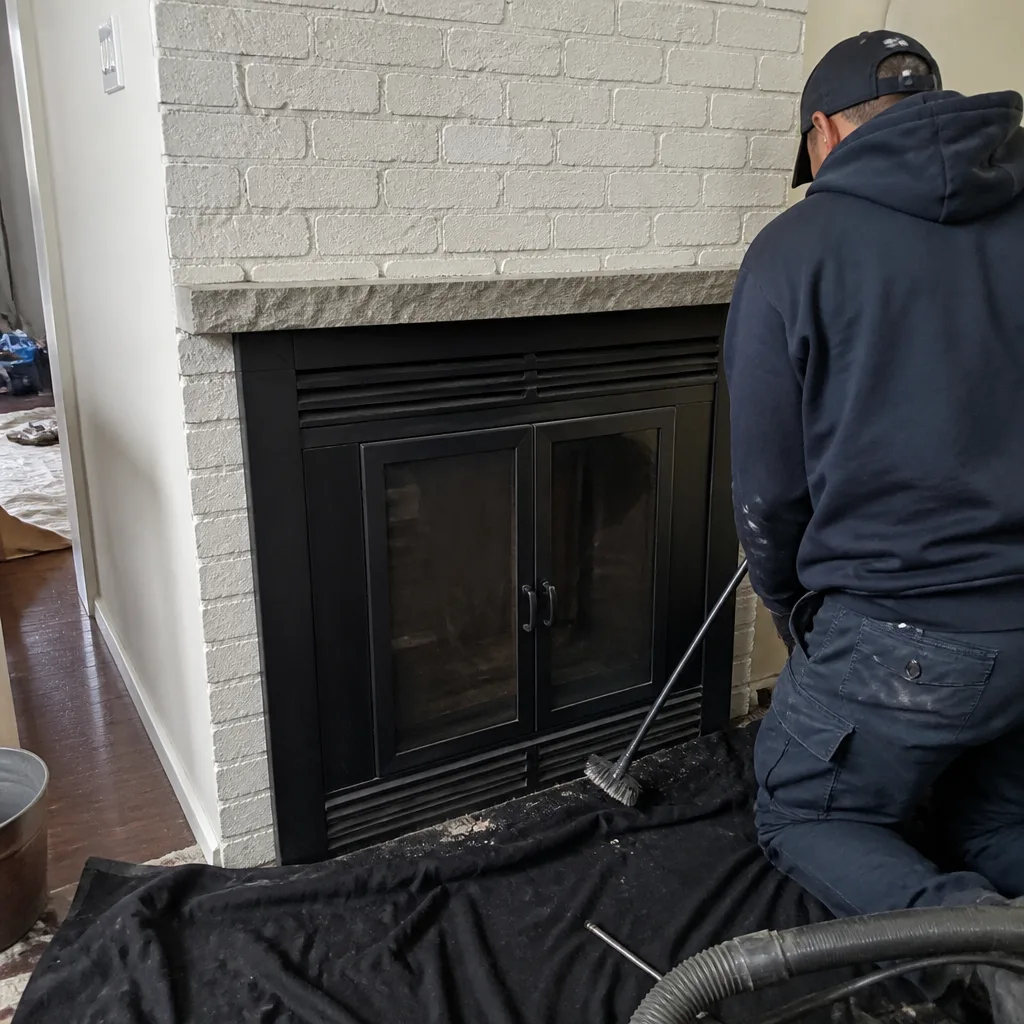 After
After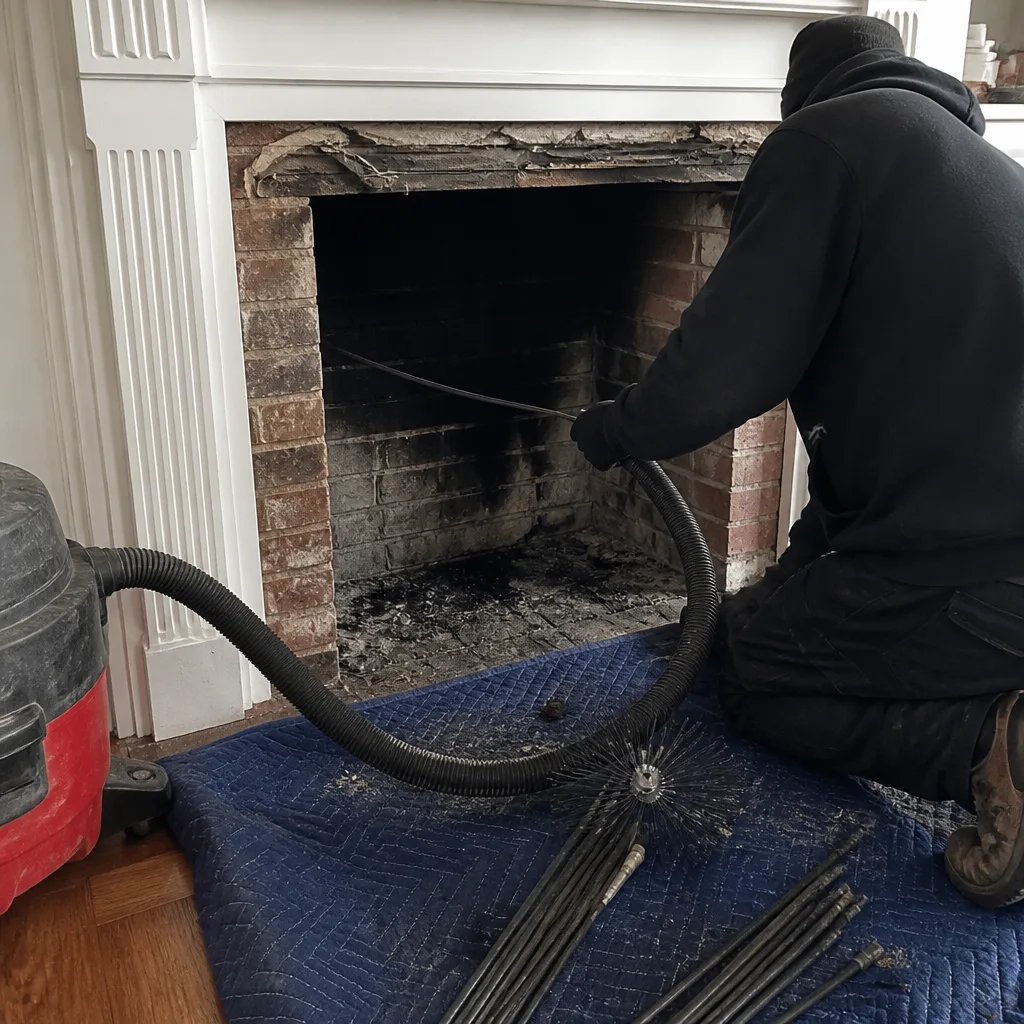 Before
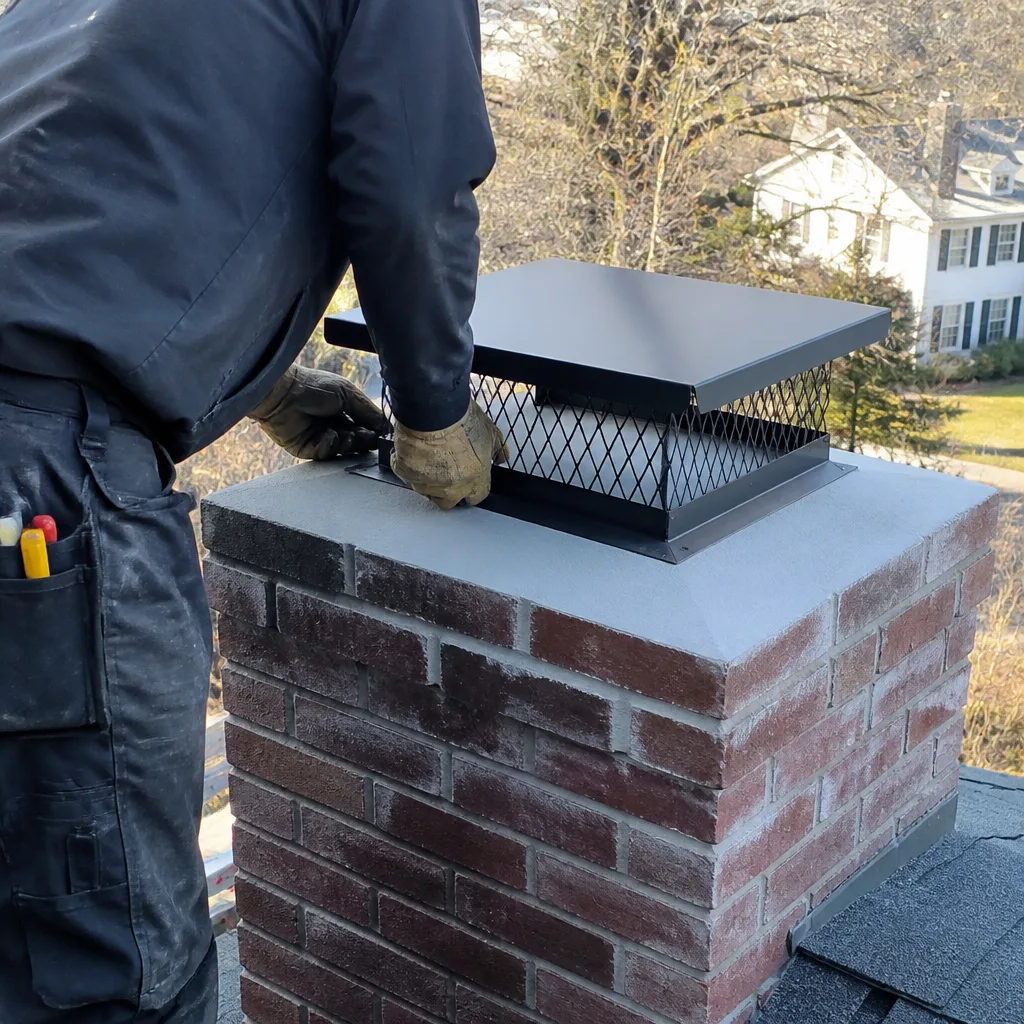 After
AfterOlympia Chimney Flue Liner Replacement: The Rye Owner’s Guide
If you have an Olympia Chimney liner that’s cracked, rusted through, or delaminating, we stock and install compatible replacement liners for most Olympia Chimney models, and typical installed cost in Rye runs $1,800 to $3,400 depending on flue height and access. We keep common Olympia Chimney-compatible stainless steel liner sections on the truck, so most Rye jobs get done in a single visit once we’ve confirmed measurements. Most owners discover the problem one of two ways: a sweep flags it during an annual cleaning with camera footage, or they notice rust flakes and sand-like grit collecting at the base of the fireplace after a few hot fires.
Here’s the short version of what matters: the liner is the only thing standing between hot exhaust and the wood framing inside your chimney chase. When it fails, the fire doesn’t care that it’s a $2,000 fix. It just wants somewhere to go.
Which Olympia Chimney Models This Applies To
Olympia Chimney makes a range of stainless steel liner systems, and most of the replacement work we do in Rye involves their round rigid and flexible liner lines in 5.5-inch, 6-inch, and 7-inch diameters. The most common setup we see in Rye homes is a 6-inch liner running through a masonry chimney that originally vented an oil furnace or a larger wood-burning fireplace. If you can still read the label plate on the appliance or the liner cap, it’ll usually list the Olympia model number and diameter, which saves us a step. If the label’s gone, we measure the inside diameter, check the flue height, and confirm the appliance BTU output before we order or pull anything.
One compatibility gotcha we run into regularly: older Olympia Chimney systems built before the mid-2000s used a slightly thinner gauge stainless in some flex sections, and those don’t always mate cleanly with current rigid Olympia connector sections. We’ve learned to check the gauge and the locking collar style before assuming a new section will seat properly. When OEM Olympia parts are available at a reasonable lead time, we recommend them in Rye when your liner has factory twist-lock connectors that aftermarket sections sometimes fight with. For straightforward straight runs with standard couplers, quality aftermarket 316L stainless liners work fine, last as long, and often save you a few hundred dollars. We’ll tell you which way we’d go on your specific setup, and why.
We’re an independent service provider, by the way, not affiliated with Olympia Chimney. We install their products because we’ve seen how they hold up over two decades of Rye winters, and because we can get parts without waiting six weeks.
Signs Your Olympia Chimney Flue Liner Replacement Is Failing
- Rust flakes or metallic grit in the firebox. This means the stainless liner’s protective chromium oxide layer is compromised and the steel underneath is actively corroding, usually from years of mixed-fuel exhaust or condensation that never fully dried between fires.
- Water stains on the ceiling or walls near the chimney chase. A liner seam that’s separated lets flue gases and moisture escape into the chase, where it condenses on framing and shows up as slow-spreading stains that painters can’t fix permanently.
- A campfire or charcoal smell in the room when the fireplace isn’t running. That’s backdrafting flue gas. A cracked Olympia liner loses draft pressure and lets exhaust drift back into the house instead of up and out.
- Visible cracking or scaling on the liner surface when you shine a flashlight up the flue. Hairline cracks in the steel tend to open up under heat cycling, and what you can see from the bottom is usually just the leading edge of a bigger problem.
- White, chalky deposits on the liner or flue tile. Creosote that’s absorbed moisture and dried out leaves mineral residue behind. It’s not the failure itself, but it means the liner has been holding moisture against the steel, which shortens lifespan significantly in humid coastal air like Rye’s.
Replacement Cost & What’s Included
In Rye, an Olympia Chimney-compatible flue liner replacement typically runs $1,800 to $3,400 installed. The spread comes down to height, access, and what’s already in the flue. A single-story ranch with a straight 15-foot run and a clean clay tile flue is on the low end. A three-story colonial near Milton Point with a 35-foot liner, an offset, and a chimney cap that needs replacing at the same time is on the high end. Every quote includes the liner sections, couplers, top plate, rain cap, labor, and full cleanup. We don’t add a trip charge inside the county, our price is fixed before any tool comes off the truck, and we knock $40 off any repair over $200, which this always is. Seniors and veterans get 10% off no matter what.
The work itself is usually done in a half day. We run the new liner, secure it properly, verify draft with a smoke test and camera check, and hand you the footage on a screen before we roll up the ladder. If the flue’s clear and the cap’s solid, I’ll tell you to save your money. Simple as that.
DIY or Call Us?
You can safely inspect from the ground: look for rust staining on the chase exterior, check the firebox for grit and flakes, and hold a flashlight up the flue to catch obvious scaling. Beyond that, this is not a weekend job. Pulling and replacing a chimney liner means working on a roof, handling 30-plus feet of sharp stainless steel, and making connections that have to hold up to 500-degree flue gases without leaking. A liner that’s not seated and secured correctly can shift, separate at a seam, and put exhaust where it doesn’t belong. We’ve fixed enough DIY liner attempts in Rye to know it’s cheaper to do it right the first time than to pay for a second trip after the first attempt comes apart. If you want an honest read on whether your Olympia liner actually needs replacing or has another season in it, call (914) 685-6096. Wendell Pike will look at the footage with you and tell you straight.
FAQs
In Rye’s coastal humidity and freeze-thaw cycles, a stainless Olympia Chimney liner typically lasts 15 to 25 years. The salt air near the Sound accelerates corrosion on liners that vent gas or oil appliances, and liners in wood-burning fireplaces that don’t get annual cleanings often fail at the earlier end of that range. We’ve pulled 30-year-old Olympia liners that still looked good, and 12-year-old ones that were paper-thin at the seams. The difference is almost always moisture management and how often the chimney actually got swept.
Sometimes, yes, if the damage is limited to a single small area and the surrounding steel is still sound. In those cases we can install a stainless patch section or a slip-fit connector that bridges the crack and restores integrity. But if there’s more than one crack, if the seams are separating, or if the liner has pitted through anywhere, patching is a stopgap that leaves you vulnerable at the next weak point. We’ll show you the camera footage and tell you honestly which situation you have. Call (914) 685-6096 to get that started.
Most Rye flue liner replacements take four to six hours from setup to final smoke test. Straight vertical runs without offsets go faster; anything with a bend, a rusted cap that needs chiseling off, or a flue full of old tile debris adds time. We’ll give you a realistic window before the job starts and call if anything slips.
We stock common 5.5-inch, 6-inch, and 7-inch stainless liner sections, couplers, top plates, and caps on the truck, along with compatible parts from DuraFlex, HeatShield, and Gelco. If your Olympia Chimney system needs a specific factory connector or an unusual diameter, we order it and it usually arrives within a week. Call us first and we’ll tell you what’s needed before we schedule the job.
Written by Wendell Pike, Owner, Top Hat Chimney - Rye, NY at Top Hat Chimney, serving Rye and nearby areas.