
Level 1 sweep and inspection to the NFPA 211 annual standard - flue, crown, cap, and flashing checked and photographed
Chimney sweep logs do not sweep chimneys. They loosen some creosote - which then falls where a brush and vacuum still have to collect it.
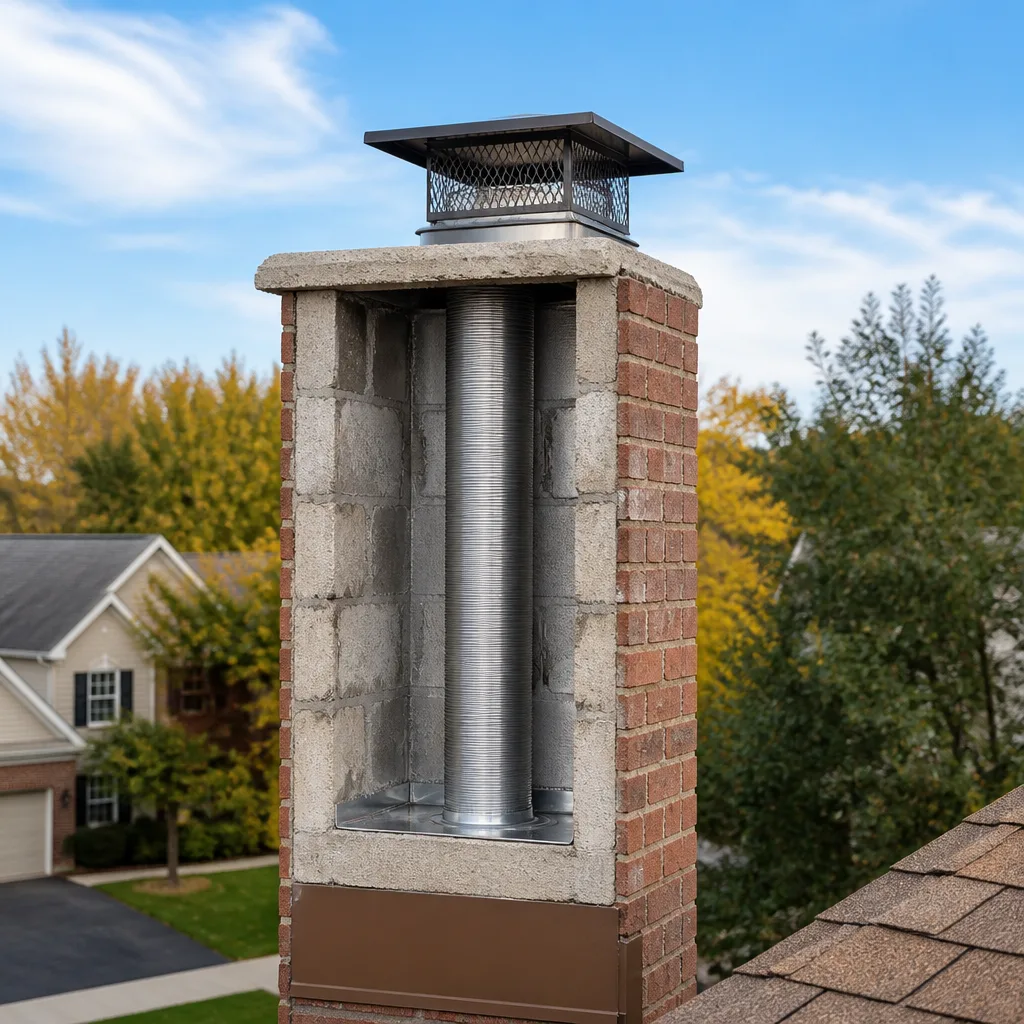
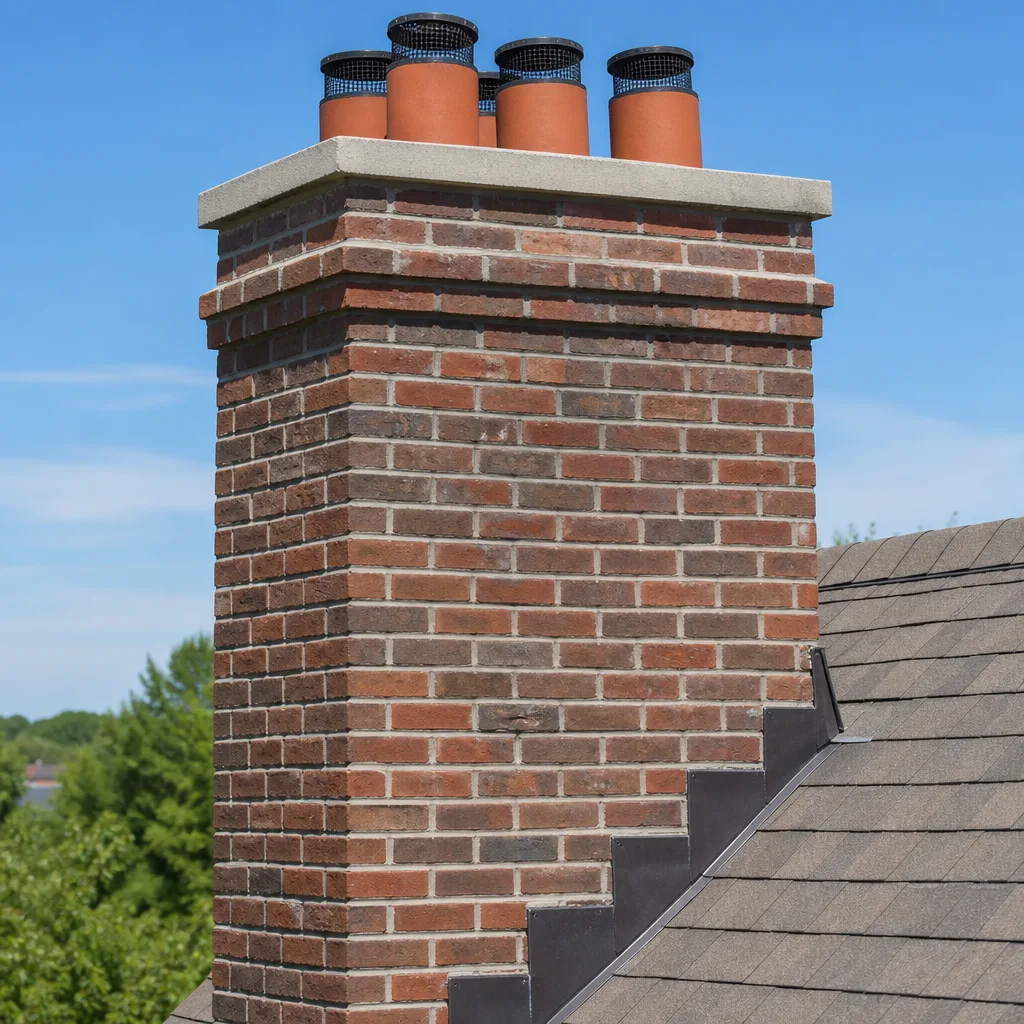
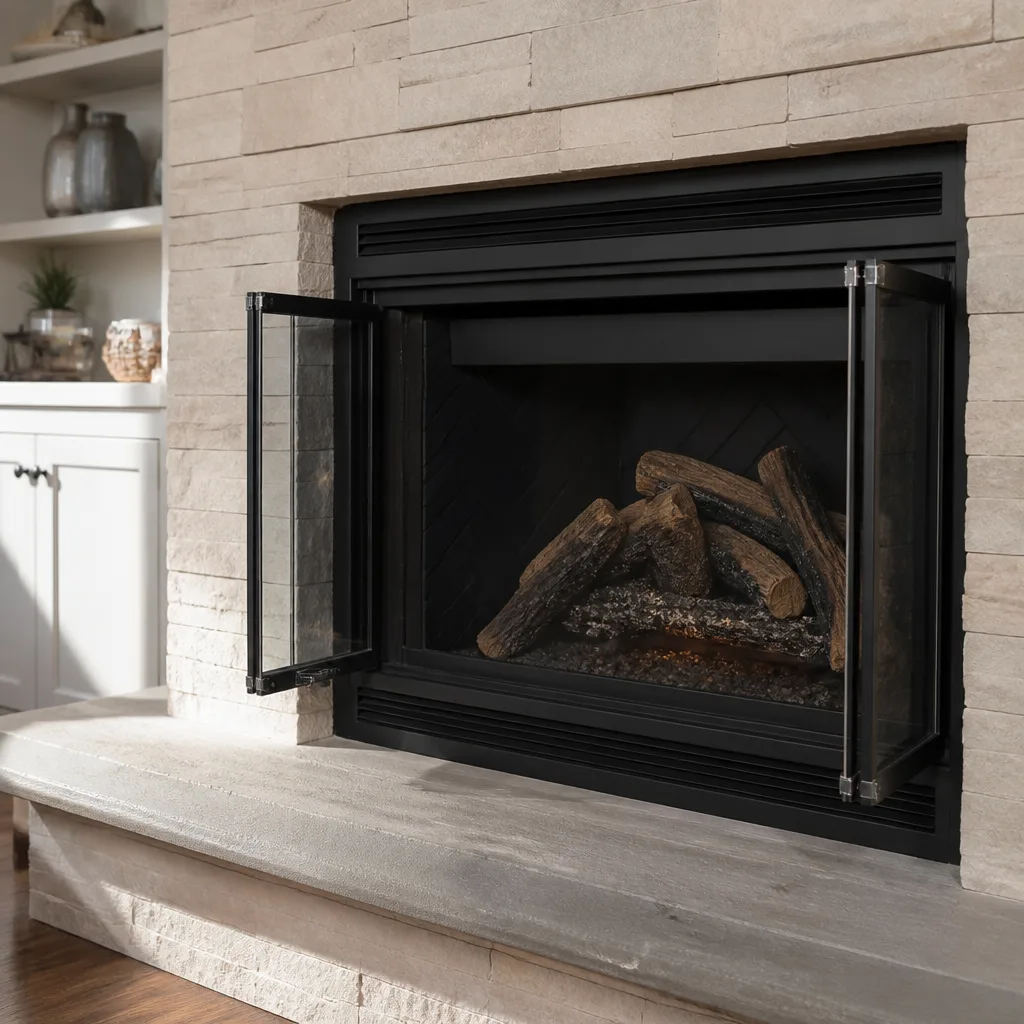
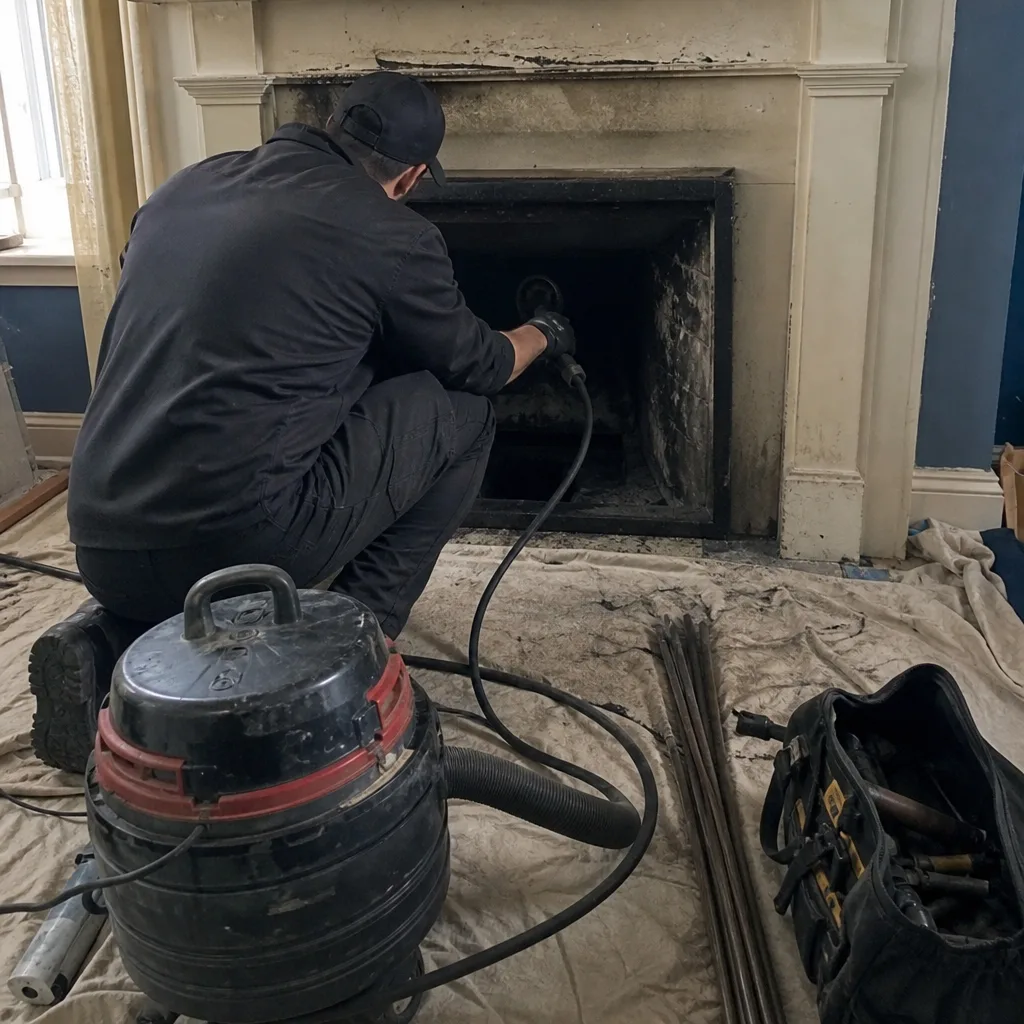 Before
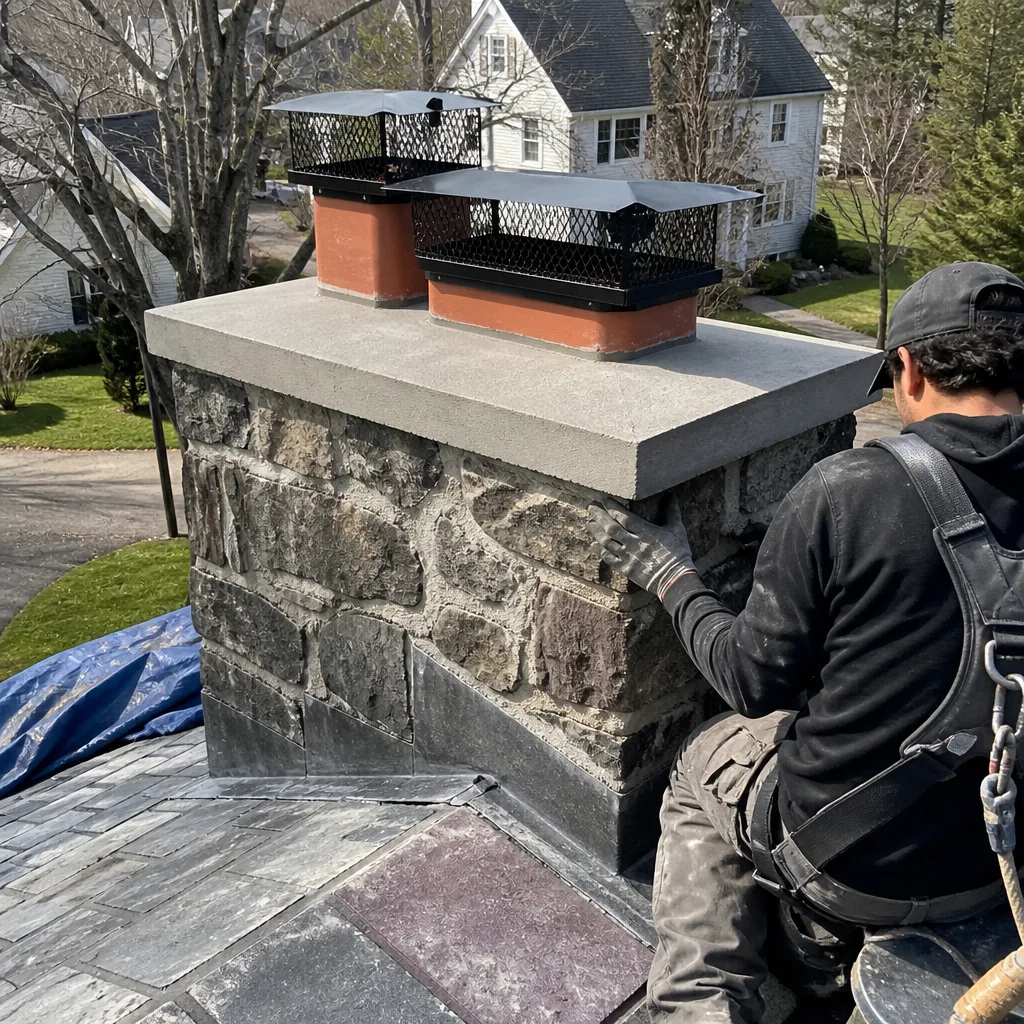 After
After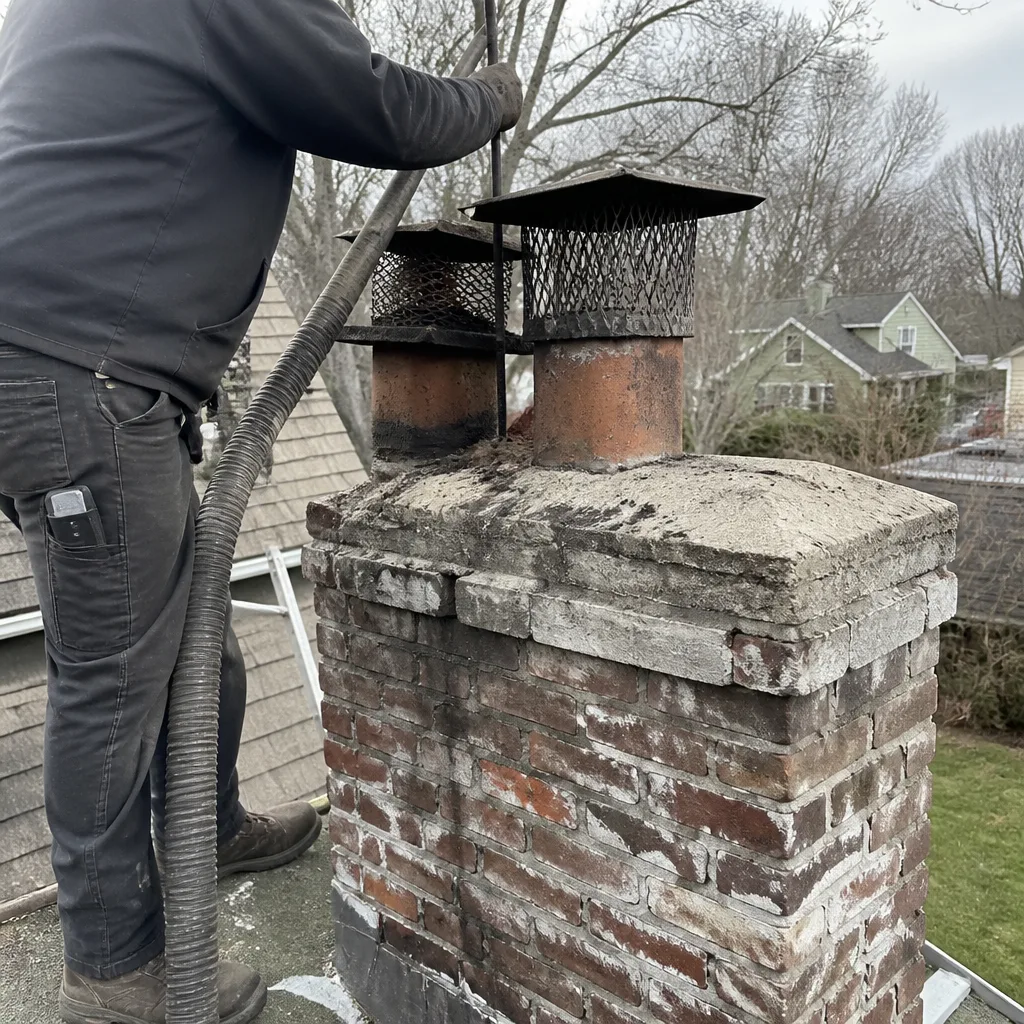 Before
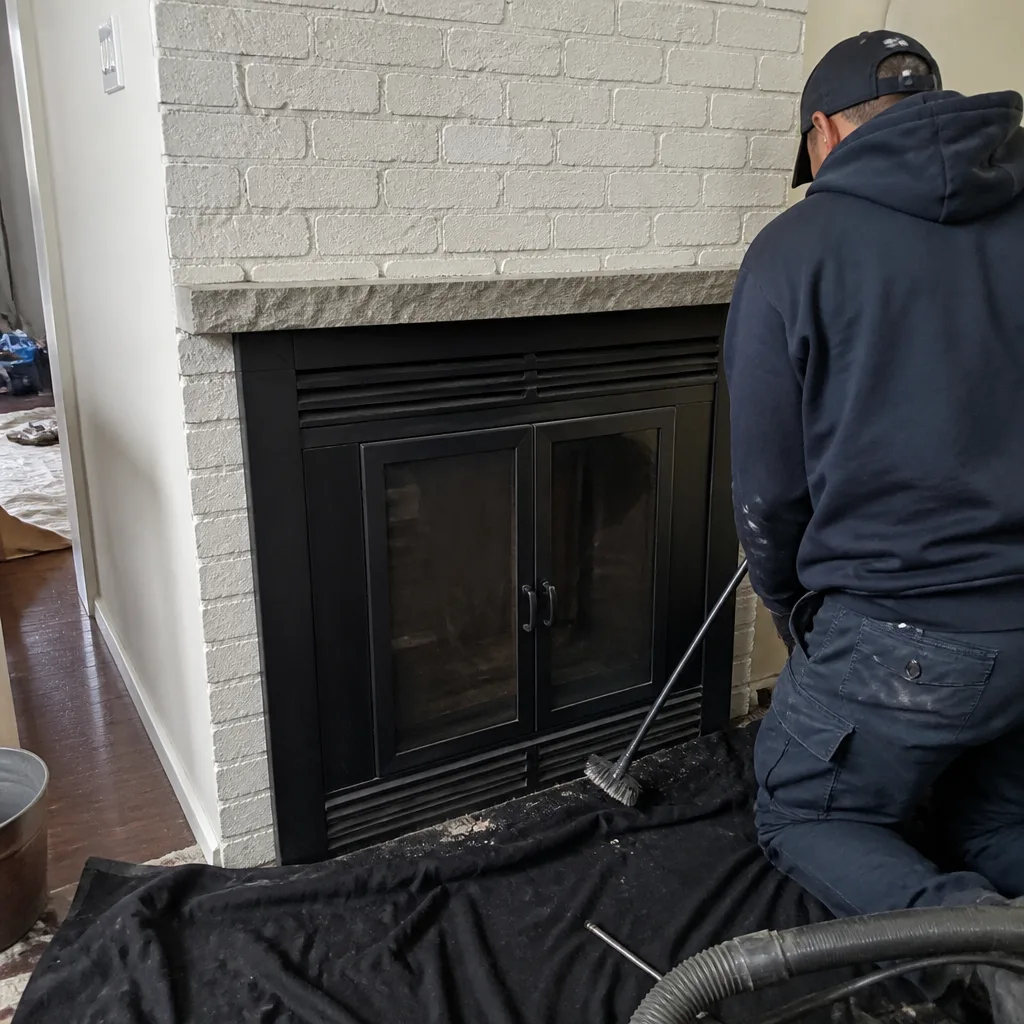 After
After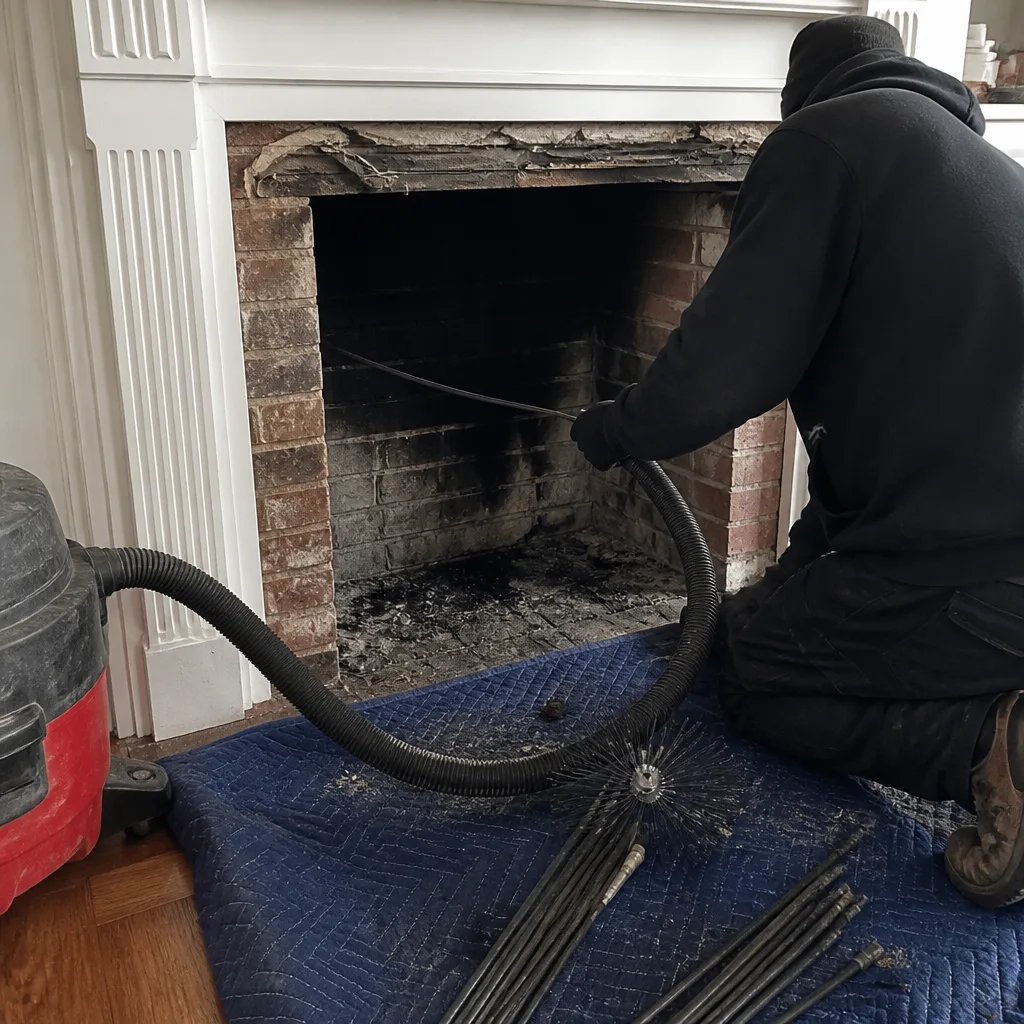 Before
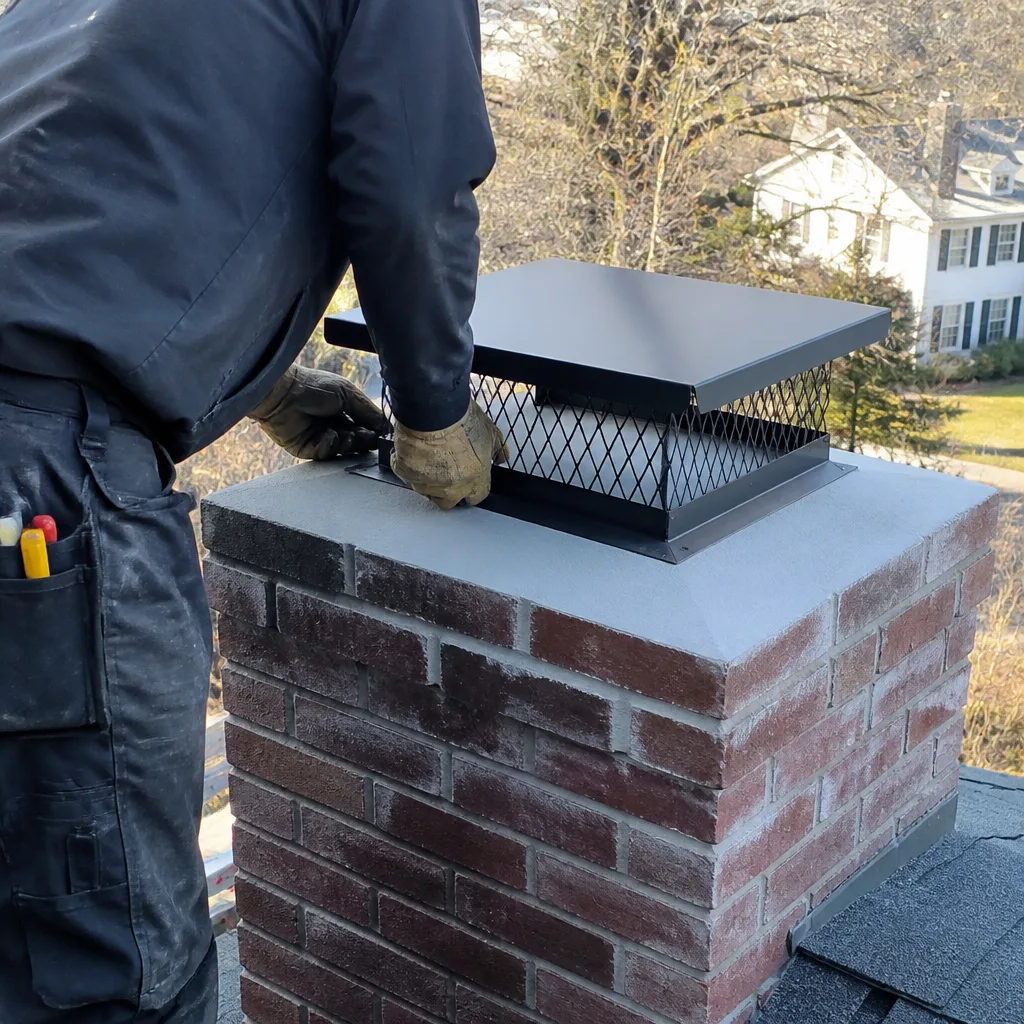 After
AfterFast, Reliable Chimney Cap & Crown Across Locust Valley
A chimney cap or crown failure in Locust Valley is rarely a small job, because most of the homes here weren’t built like small-job houses. The Gold Coast estates, Tudor Revivals, and converted carriage houses that line Piping Rock Road and the lanes off Bayville Road often carry three or four flues per chimney stack. When a crown cracks or a cap rusts through, water gets into every one of those flues at once. That’s the problem we solve. Our Chimney Cap & Crown team works on multi-flue estates across Locust Valley, and the number to call is (914) 685-6096.
Why Top Hat Chimney Is Locust Valley’s Preferred Chimney Cap & Crown Company
Ask anyone on your street. Wendell Pike started Top Hat Chimney in 1999, and the crew that shows up in Locust Valley is the same crew that worked the last job in Glen Cove. No national franchise, no rotating subcontractors. You get a background-checked sweep in uniform, a real arrival window, and a call if that window slips. Wendell answers the phone at all hours. It may be him at midnight when a nor’easter rips a cap loose on a house near the Sound.
Locust Valley customers keep calling back for one reason: we tell you the truth after showing you the camera footage. A cap that looks fine from the ground can be rusted through at the mesh. A crown that looks intact can hide open mortar joints that have been spalling for years in salt air. We don’t sell you a fix until you’ve seen the evidence. Every job carries the 90-Day Done Right Promise in writing. If it’s not right, one call brings us back at no cost.
Our Chimney Cap & Crown Services in Locust Valley
Cap Installation
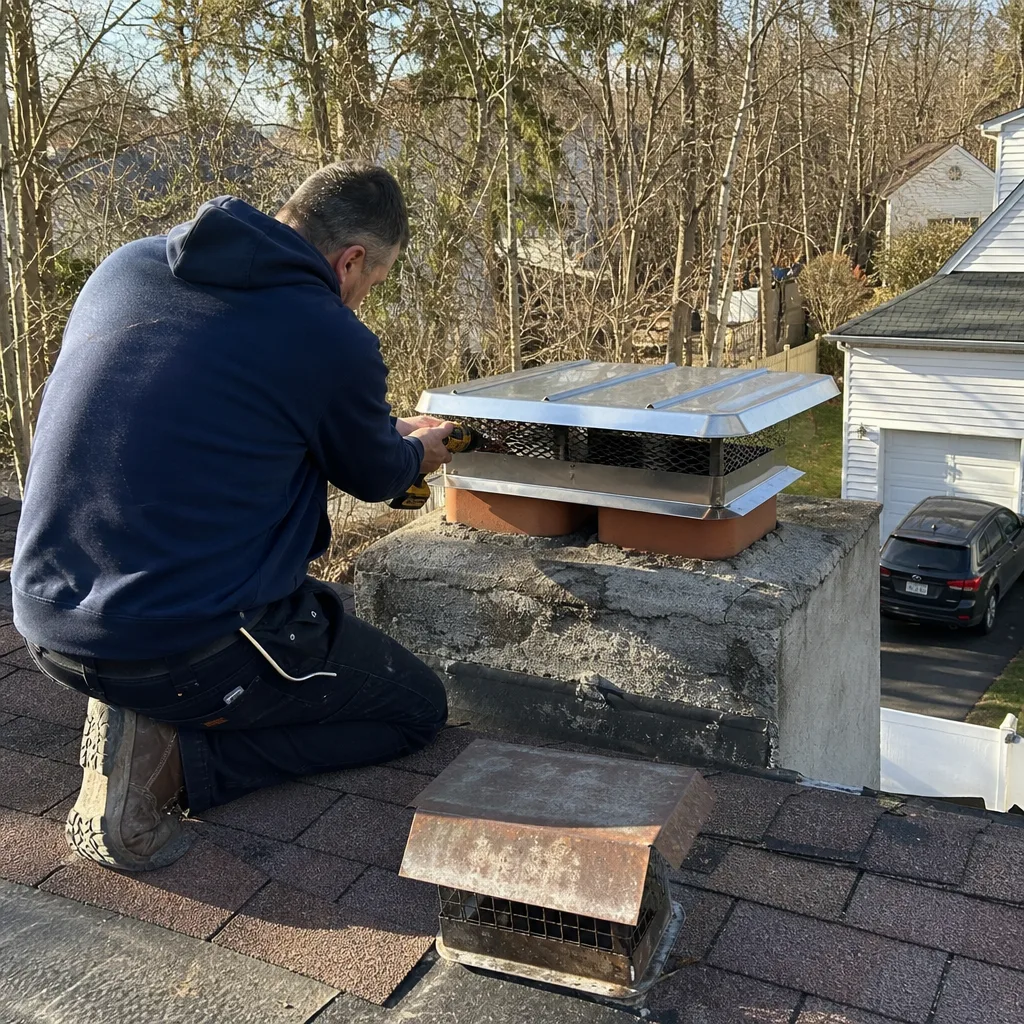
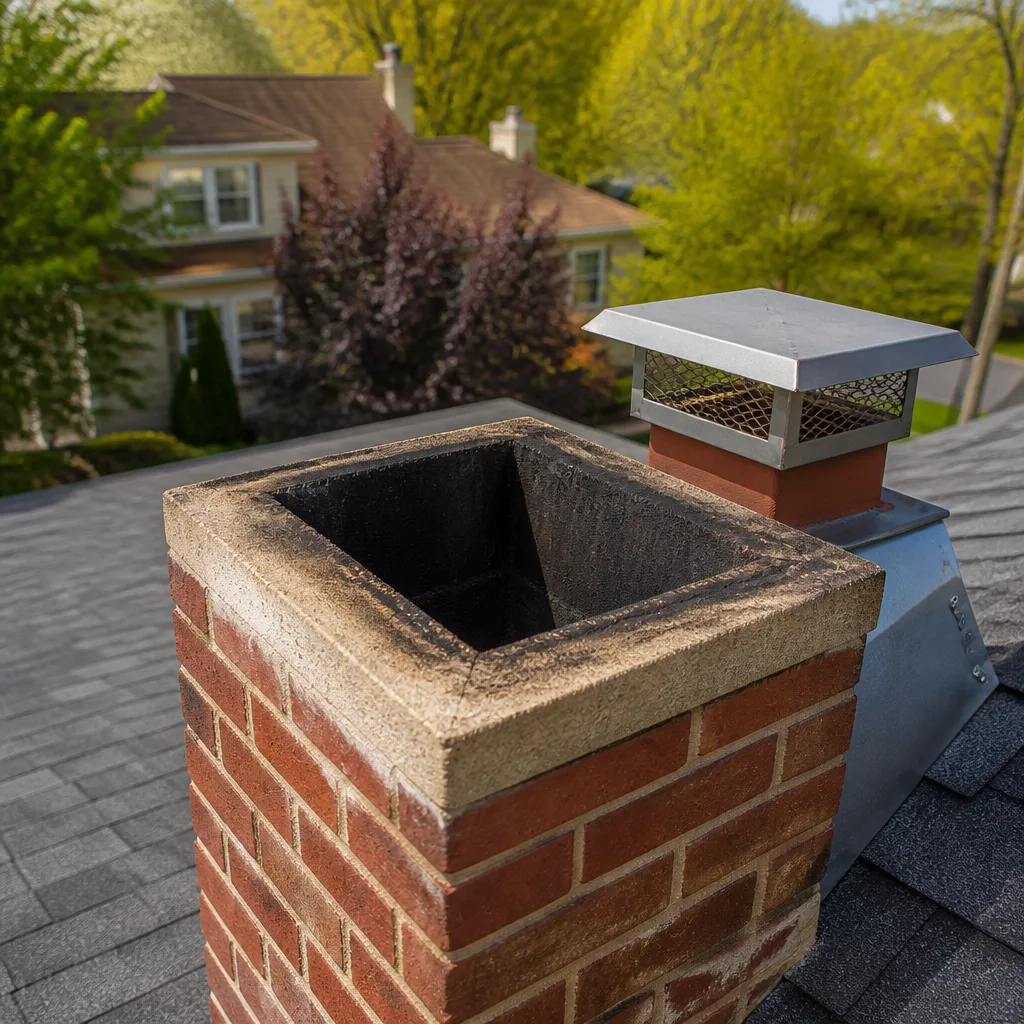
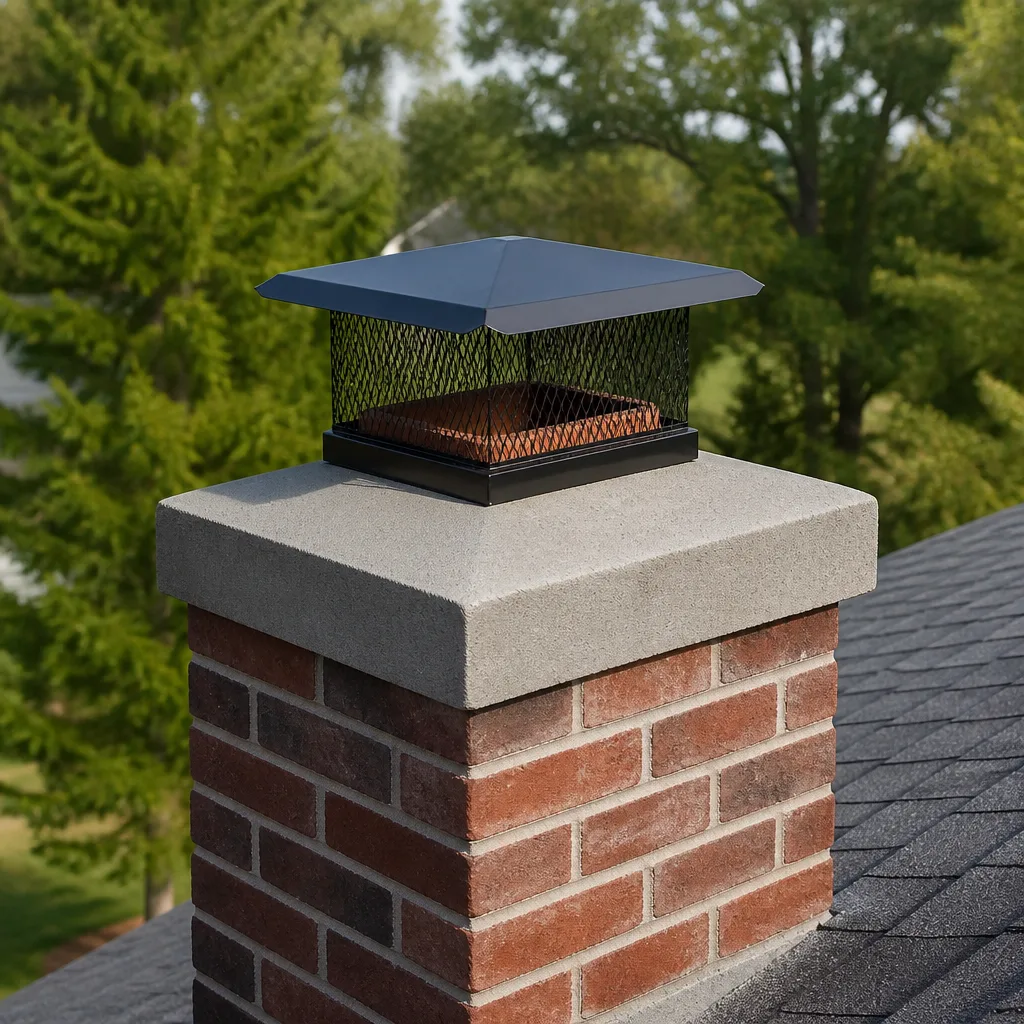
A new stainless cap on a Locust Valley chimney has to be sized for the actual flue, not guessed from the ground. That matters on the North Shore because so many flues here were built for coal or wood and later converted for gas or oil boilers without a proper reline. We measure every flue, check the draft requirement, and install caps with the right mesh size to keep out rain, birds, and embers without choking the boiler. On estate homes with three or four flues, we install separate caps sized individually. One size fits one flue, and that’s it.

Cap Replacement
Rusted steel caps are common all over Long Island, but Locust Valley sees a faster failure rate because of salt-laden air off the Sound. A cap that’s pulling loose or showing rust at the bolts is already letting water into the flue. We’ll replace it with a stainless or copper cap built for coastal exposure. If the old cap was the wrong size from a prior oil-to-gas conversion, we fix that too. The new cap gets matched to the appliance, not the old mistake.

Crown Repair
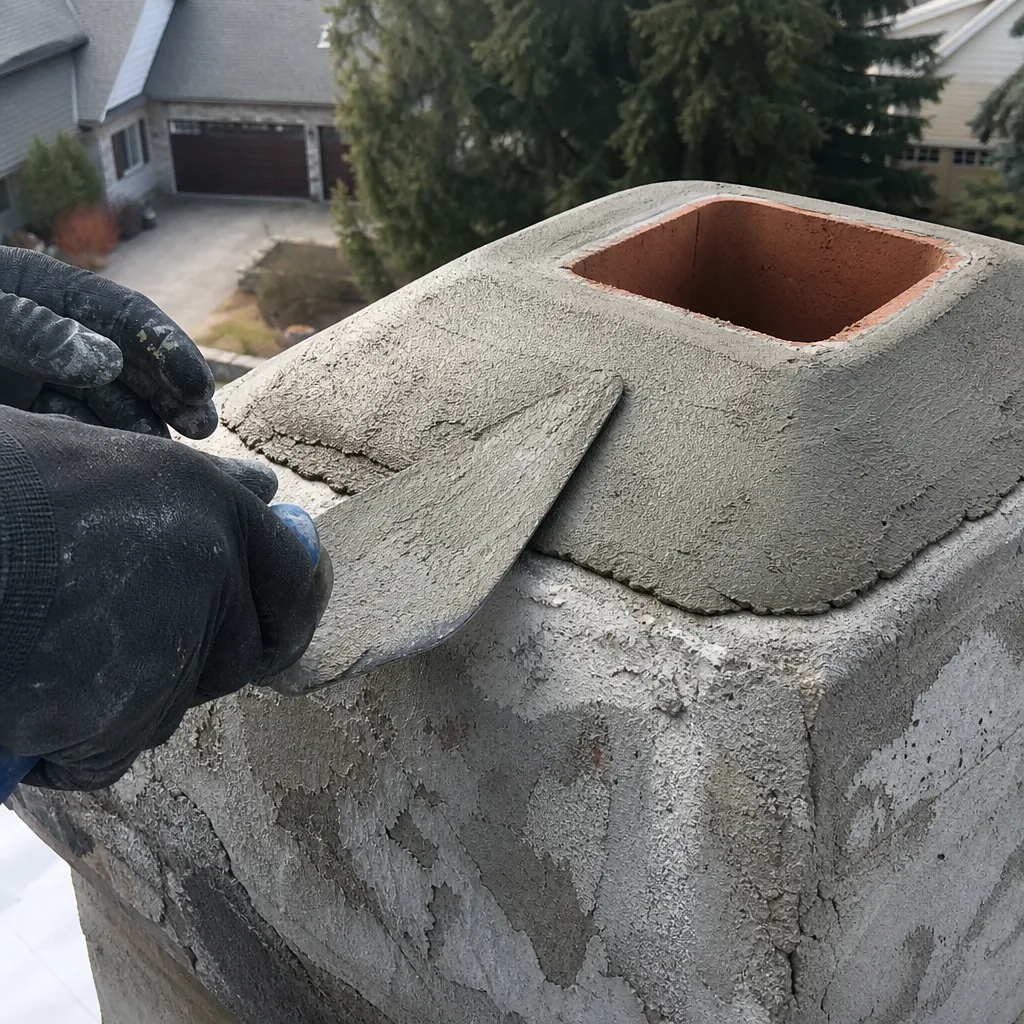
The crown, the concrete or mortar slab that caps the top of the chimney, takes the full brunt of Locust Valley weather. Salt air, freeze-thaw cycles, and a hundred years of North Shore winters crack crowns in ways you don’t see in Hickville or Levittown. Our crown repair starts with a close look at the joints. We remove loose material, repair the mortar or recast the crown, and apply a Gelco crown coat in places where the original mortar was always going to fail again. On estate chimneys, we always check the smoke chamber and the crown’s pitch before we patch anything.

Crown Coating
A crown coating on a old Locust Valley chimney is not a band-aid if the crown is still structurally sound. Gelco crown coat seals hairline cracks and prevents water intrusion through the crown’s surface. But we will tell you plainly when a coating isn’t enough, when the crown is too far gone and needs a recast. The houses here often have multiple crowns on the same parcel, and we will evaluate each one honestly. Some need coating. Some need full repair. We show you which is which.

What happens when you call
- 1
A real person answersNo phone trees - you reach a local pro.
- 2
You get an upfront price rangeHonest numbers before anyone is dispatched.
- 3
A background-checked tech heads outLicensed & insured, dispatched right away.
- 4
You approve before work beginsNothing starts until you say go.
Trusted Brands We Service in Locust Valley
We install and service caps and crowns from Copperfield, Olympia Chimney, and Gelco. For estate chimneys with multiple flues, we keep the stainless mesh, cap bases, and crown coat materials on hand that match the original architecture, so we’re not running to a supply house in the middle of a job. Same-day scheduling is possible when the weather cooperates, but we won’t promise a dispatch time. Weekly service runs put us in Locust Valley often enough that we can usually get to you faster than the national outfits. And if you have an old cap from a different manufacturer, we can match it from the brands we stock.
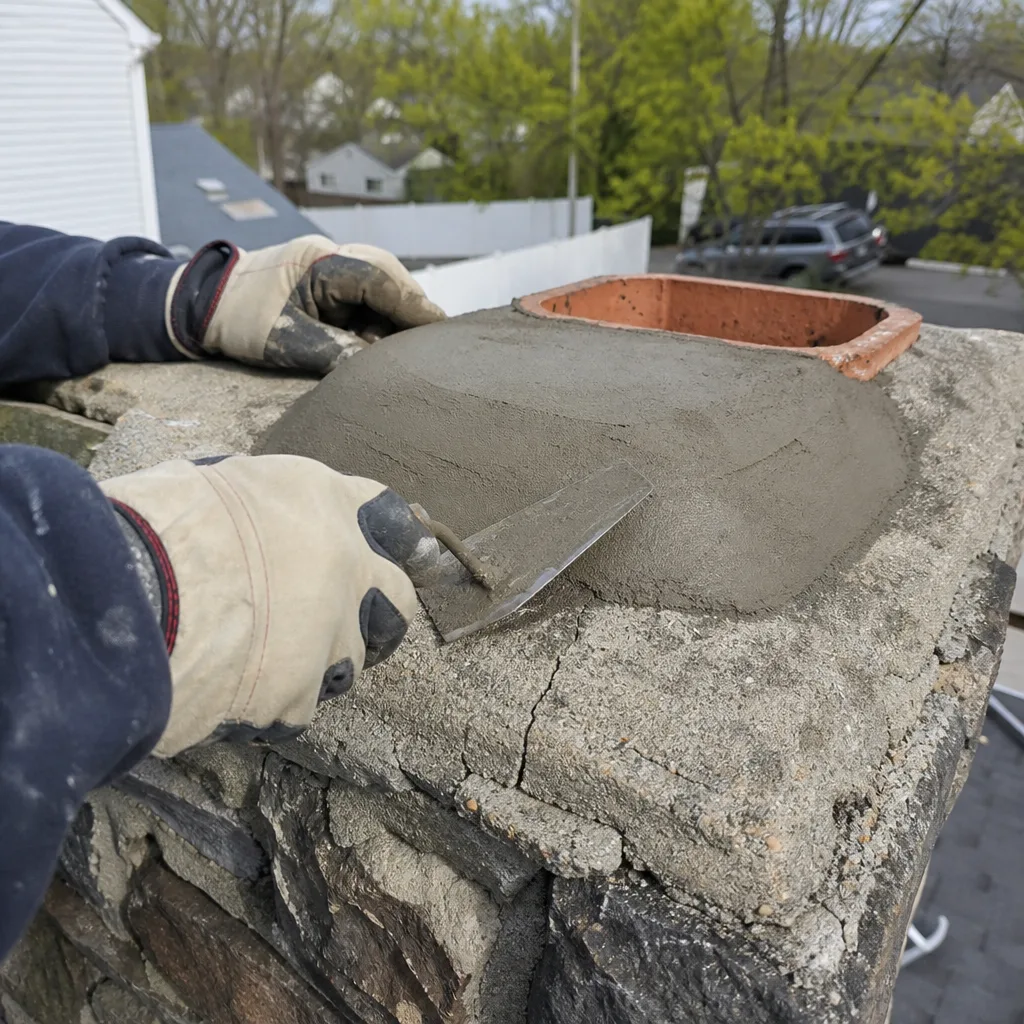
Common Chimney Cap & Crown Problems We See in Locust Valley Homes
- Salt-air spalling on the seaward side of the stack. Chimneys on the North Shore face persistent coastal humidity and salt spray. The mortar on the side of the stack facing the Sound erodes faster, and you’ll see it first in the crown and the top courses of brick. A camera inspection often reveals open joints before any cleaning begins.
- Worn-out clay tile liners hidden behind a failing cap. Many Locust Valley chimneys were built before NFPA liner standards existed. The original clay tiles are cracked or missing entirely. A cap that leaks water onto those old tiles accelerates the deterioration, and the first sign is usually a ceiling stain or a draft problem you can’t isolate.
- Improperly sized caps from oil-to-gas conversions. When an estate switched from oil to gas, sometimes the contractor capped the old flue and ran the new boiler into the same stack without resizing. That starves the boiler of draft, causing soot buildup and pilot outages in sprawling estate basements. The fix is a cap sized to the actual flue diameter and appliance output.
- Crowns cracking along original fieldstone joints on converted carriage houses. Those old fieldstone walls move differently than modern brick. Crowns cast decades ago crack along the stone joints, and water gets into smoke chambers that were never relined for modern inserts. We see this all along the Bayville Road corridor and up into the estates near the Piping Rock Club.
Pricing for Chimney Cap & Crown in Locust Valley, NY
A standard single-flue stainless cap in Locust Valley runs $180 to $340 installed. A multi-flue cap for an estate chimney with a custom base or multiple flue diameters runs $420 to $900. Crown repair ranges from $350 to $800 depending on how much of the crown needs recasting, and crown coating with Gelco runs $250 to $500 per crown. Custom caps, including copper caps or caps shaped to match an original architectural detail, run $700 and up. What changes the cost is access: a chimney on a four-story slate roof costs more to reach than one on a two-story Colonial. We give you the number on the phone, before the truck arrives. That number is the number on the invoice. Call (914) 685-6096 for a free estimate, and ask about $40 off any repair over $200.
We Also Serve Cities Near Locust Valley
Our Chimney Cap & Crown in Locust Valley work regularly takes us into Glen Cove, Bayville, Sea Cliff, and Rye. If you’re in one of those towns and the chimney crown is cracked or the cap is missing, the same crew that works Locust Valley handles your job under the same 90-Day Done Right Promise.
Serving Locust Valley, NY - Our Local Coverage Area
We’re based in the Locust Valley area and know this community well. Use the map below to see our service coverage - if you’re nearby, we can almost certainly help.
FAQs - Chimney Cap & Crown in Locust Valley
Yes. Each flue needs its own correctly sized cap, and on a Locust Valley estate that’s four separate caps on one stack, each matched to the flue diameter and the draft requirement of whatever appliance uses it. A gas boiler flue needs a smaller cap than a wood fireplace flue. Putting one large cap over everything lets rain in around the edges and doesn’t stop wildlife from getting into the unused flues. We measure every flue before we order anything. Call (914) 685-6096 and we’ll schedule the inspection.
Every three to five years. The salt air and freeze-thaw cycles here wear out crown coatings faster than inland areas, and a 100-year-old crown was poured with mortar that was never intended for modern coastal conditions. We’ll check the crown as part of an annual inspection and tell you honestly when a recoat is due, and when it’s not. If the crown is cracked, a recoat alone won’t help. Call us after the next nor’easter and we’ll take a look.
Yes, as long as the abandoned flue is properly capped and the venting flue is lined and sized for the gas insert. On Gold Coast properties, we often find an abandoned oil flue that was never touched when the house switched to gas. That flue should be capped to keep out rain, birds, and animals, and the active flue should have a cap sized for the insert’s draft. Both can be done without ripping out the chimney. We’ll run a camera inspection first so you see exactly what’s in each flue before any decision.
Because the original repair didn’t address the real cause. In Locust Valley, spalling is usually driven by salt-laden air eating into mortar that was already weak from age. If the previous repair just patched the surface without replacing the failing mortar underneath, the same cracks return in one or two seasons. We use Gelco crown coat and rebuild the crown’s base and pitch where needed, not just the crack line. If your crown keeps failing, it’s likely the underlying mortar is too far gone for a patch. Call us for a second opinion and we’ll show you the difference on camera.
A standard cap covers a single flue and is sized for that flue’s diameter. A multi-flue cap covers several flues at once, but only works correctly if all the flues are spaced close enough and the cap is anchored properly to the crown. In a Locust Valley home with a boiler conversion, the problem is often that a previous contractor threw a single large cap over a stack with varied flue diameters, which lets water in and starves the boiler of draft. The right fix is usually separate caps per flue, sized individually. We’ll tell you which after measuring the stack.
Written by Wendell Pike, Owner at Top Hat Chimney, serving Locust Valley since 1999.