
Level 1 sweep and inspection to the NFPA 211 annual standard - flue, crown, cap, and flashing checked and photographed
Chimney sweep logs do not sweep chimneys. They loosen some creosote - which then falls where a brush and vacuum still have to collect it.
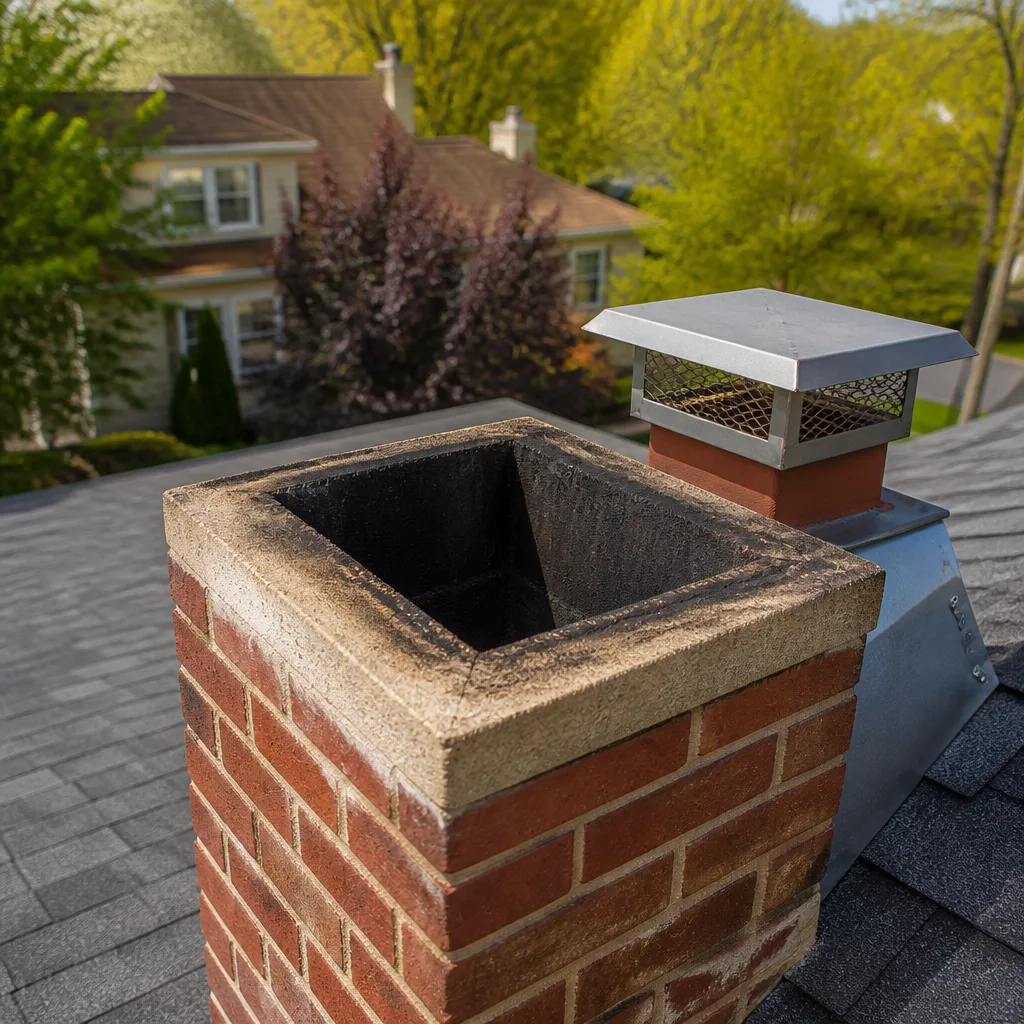
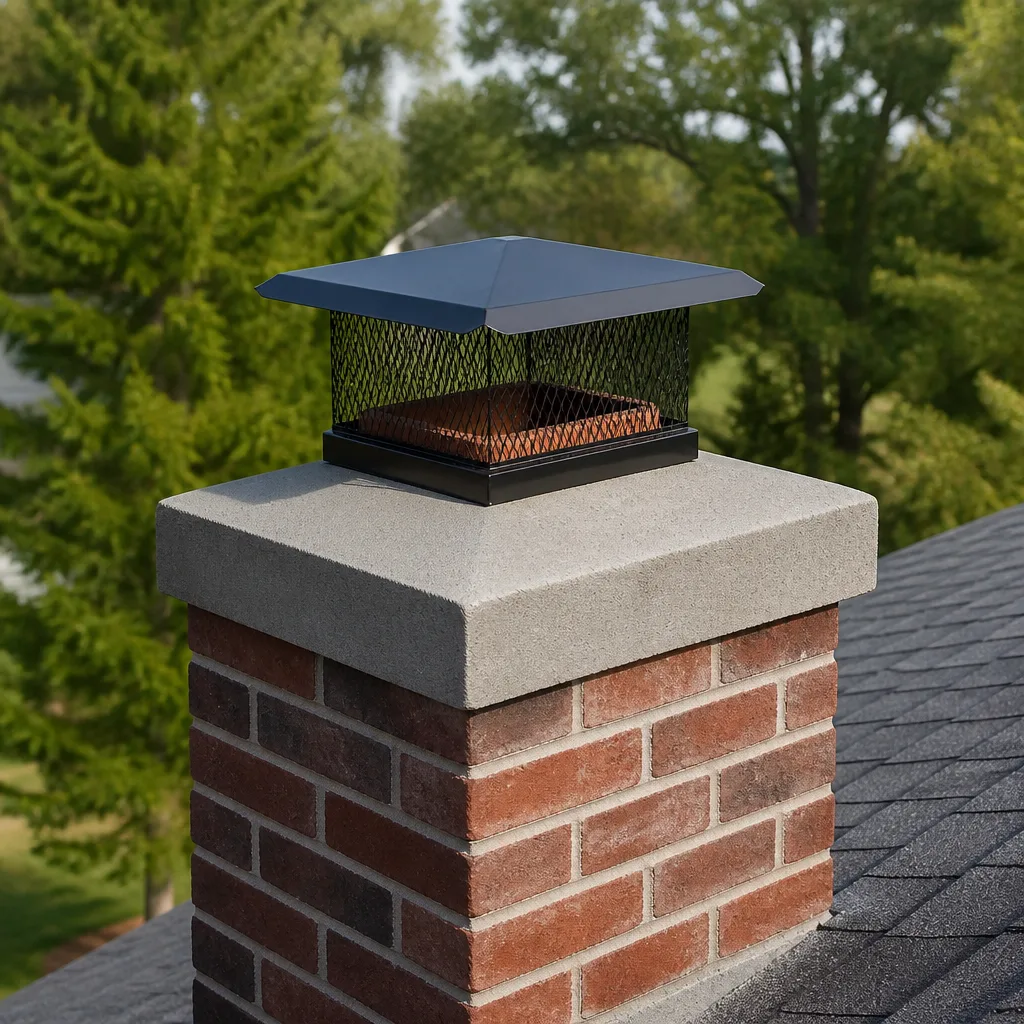
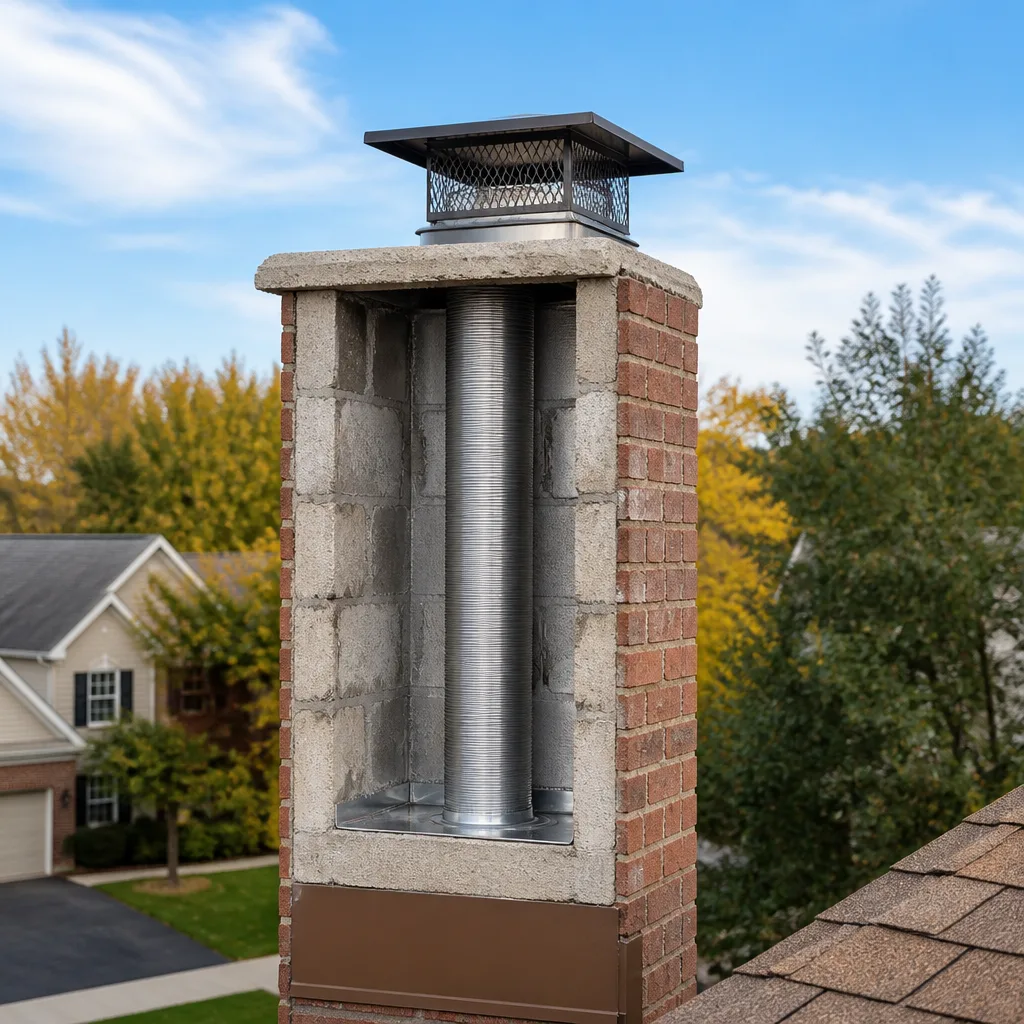
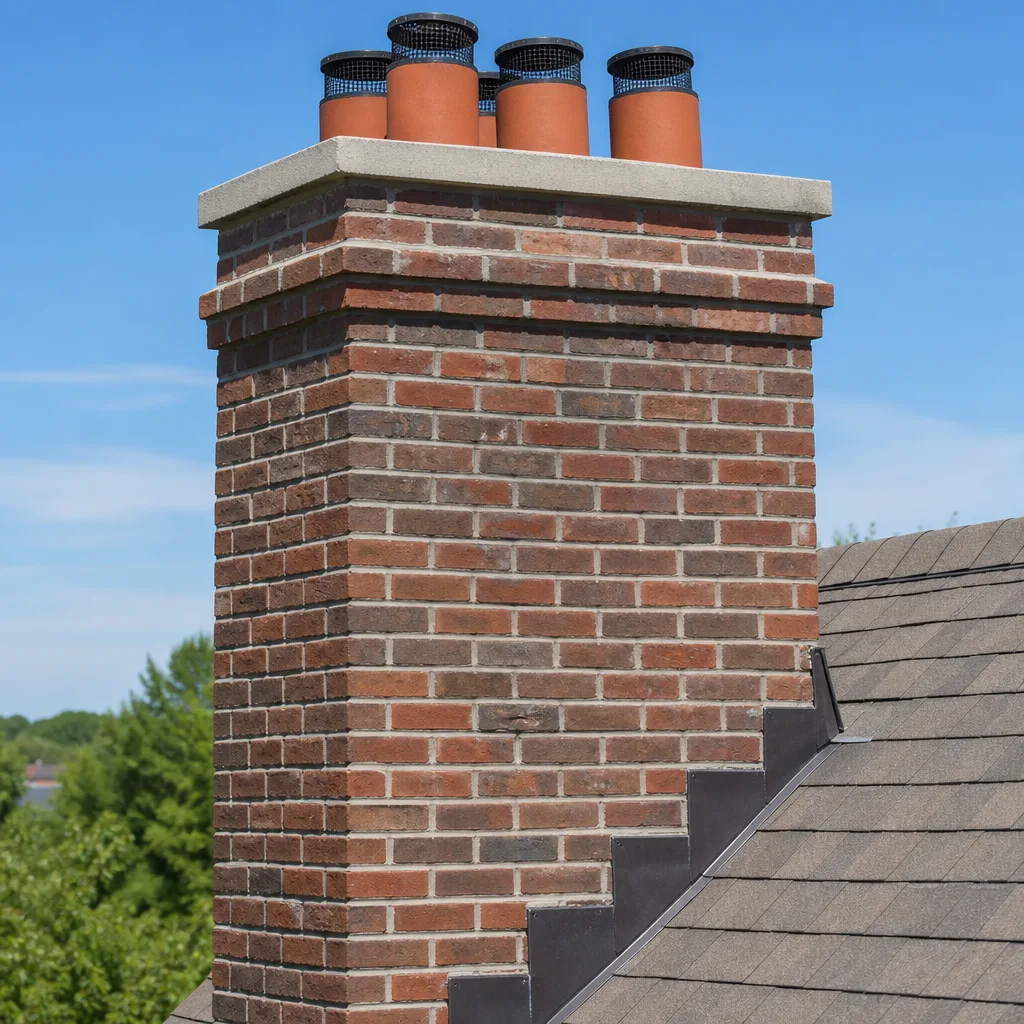
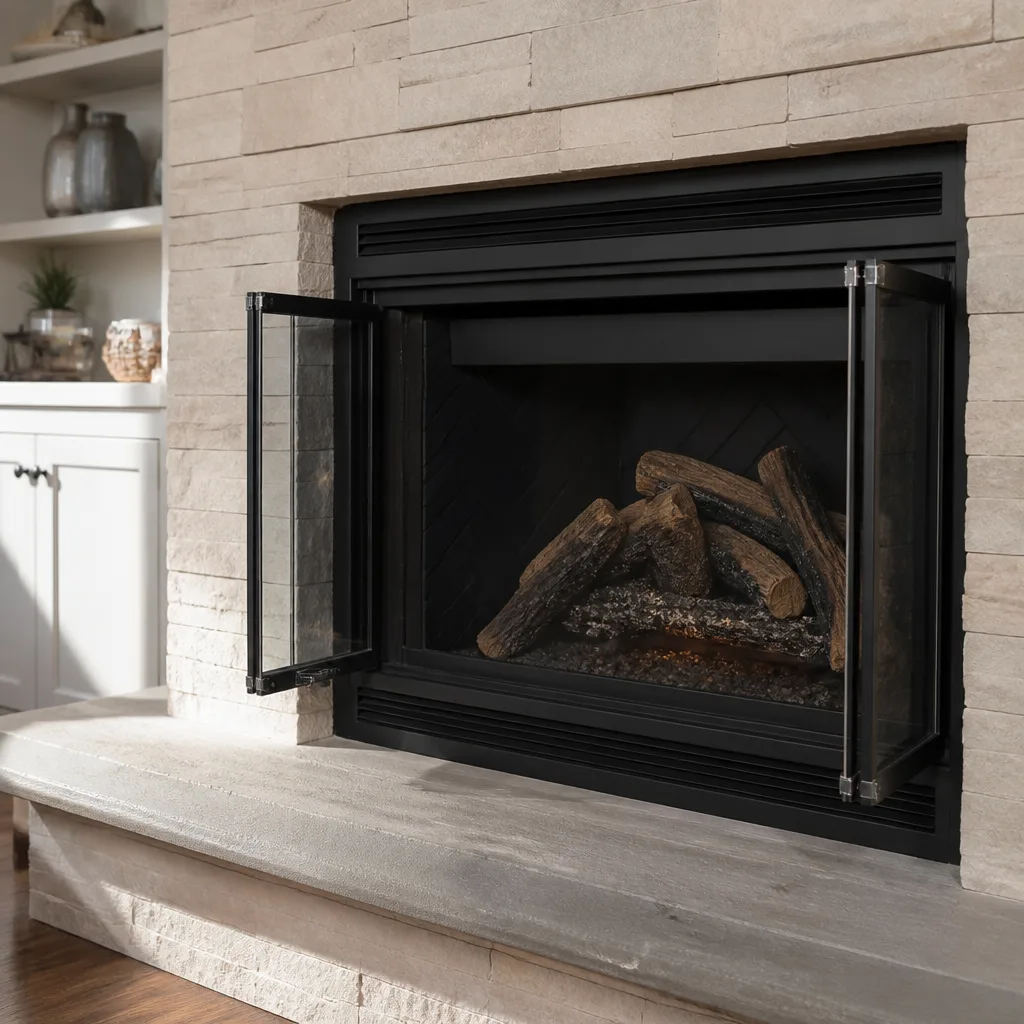
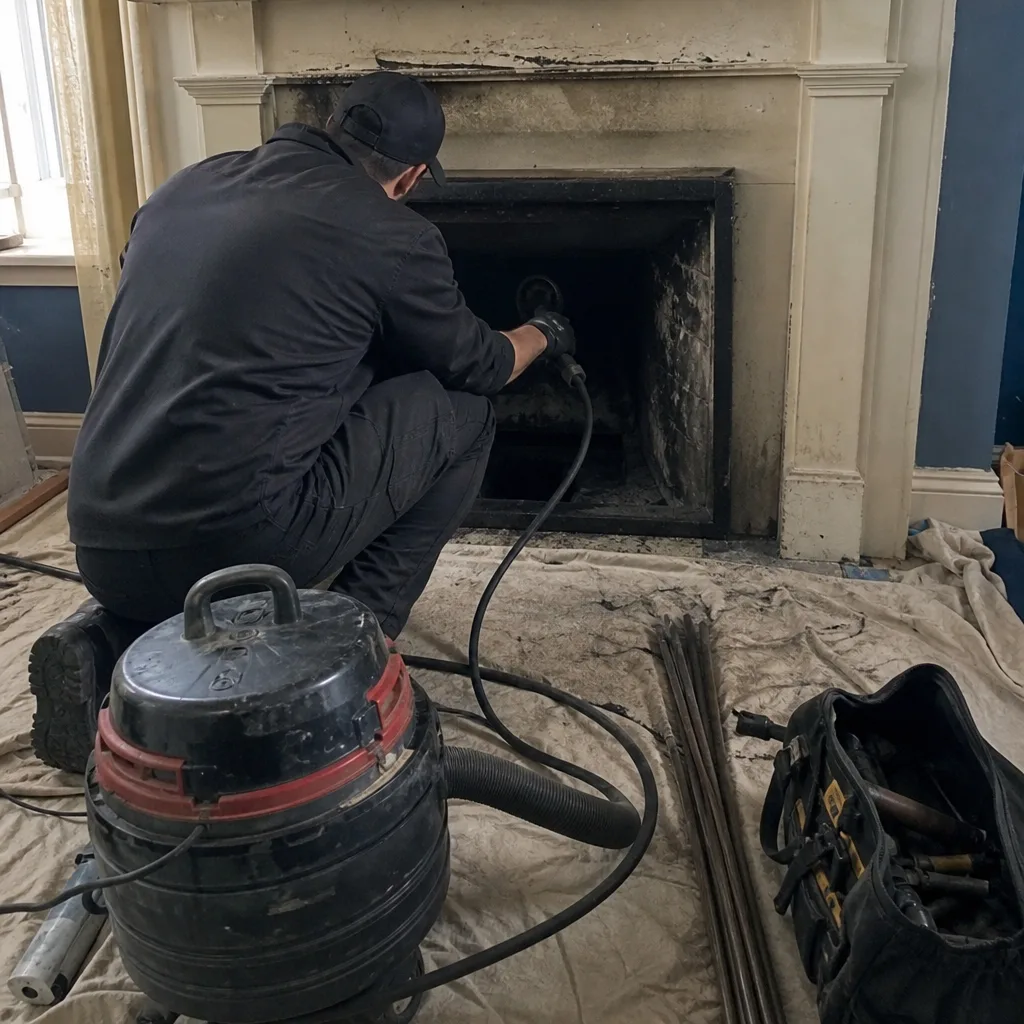 Before
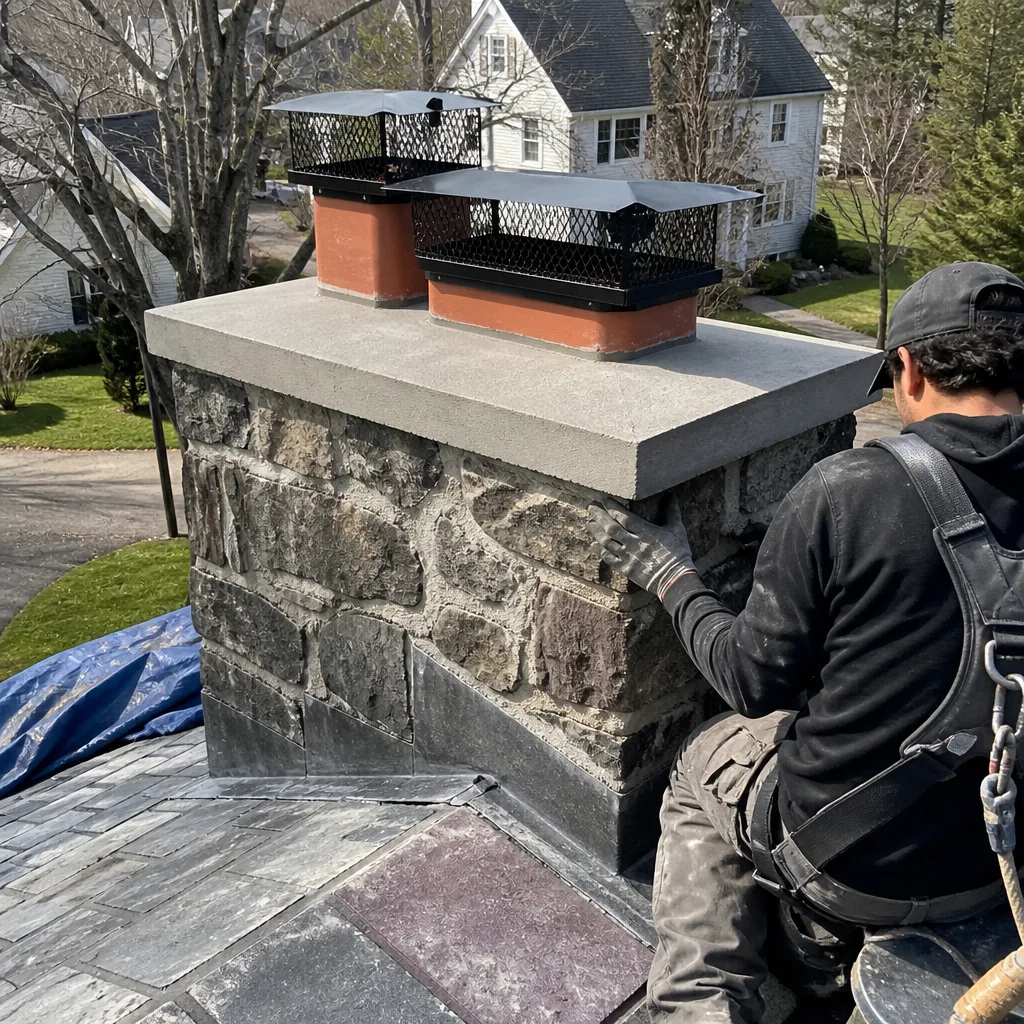 After
After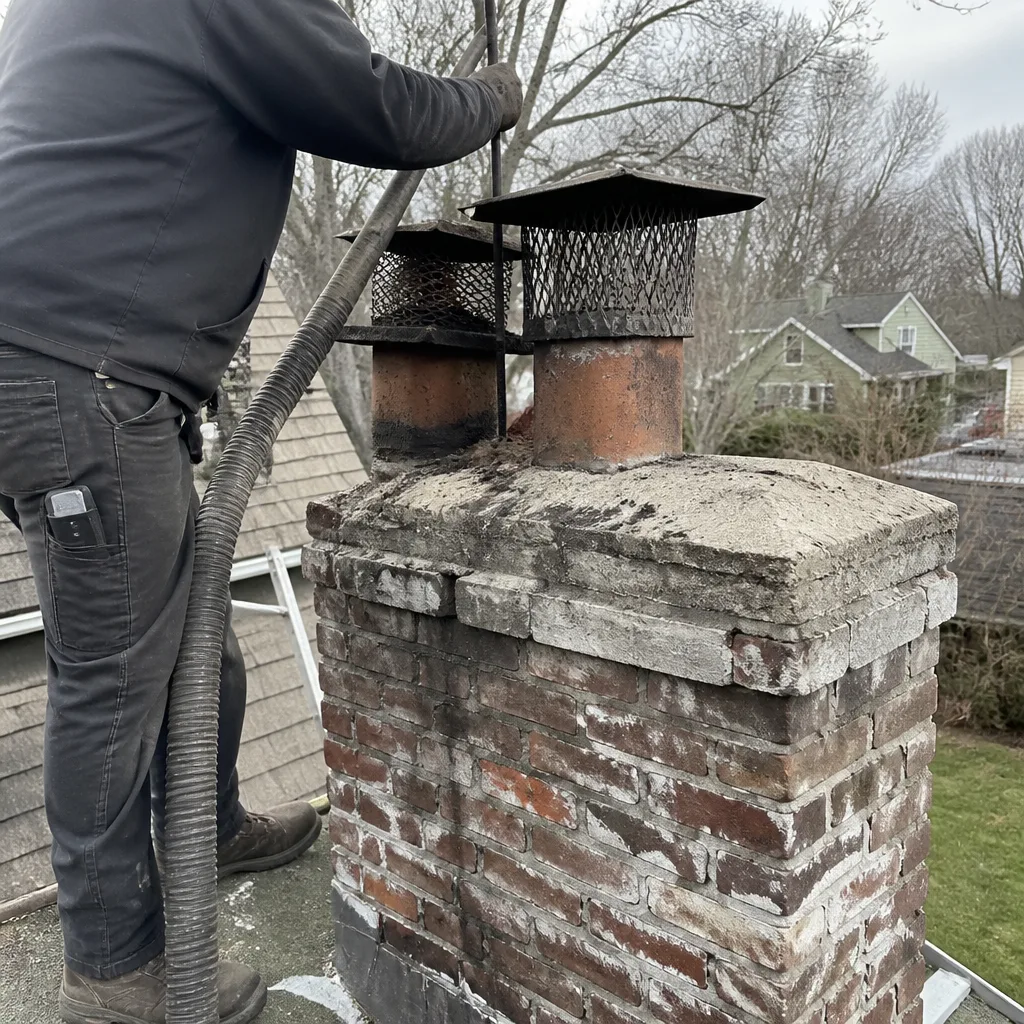 Before
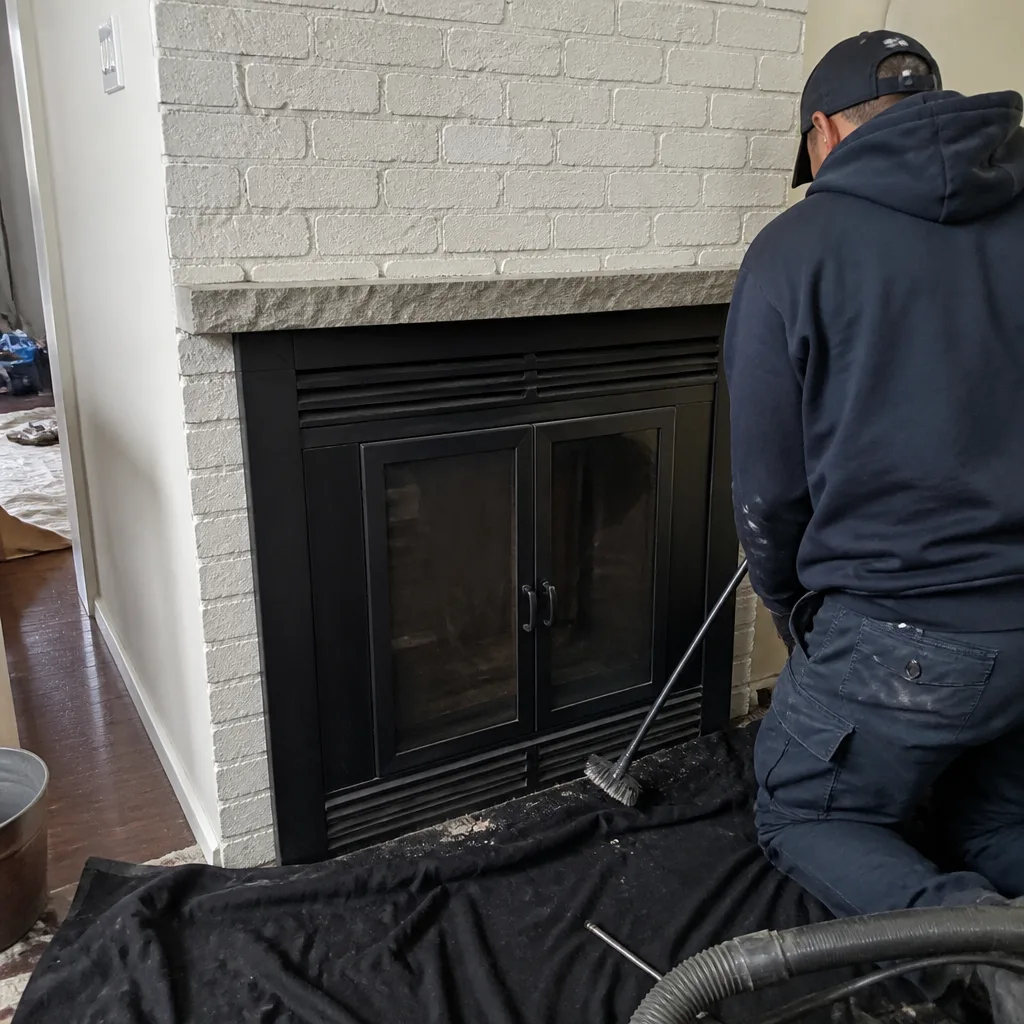 After
After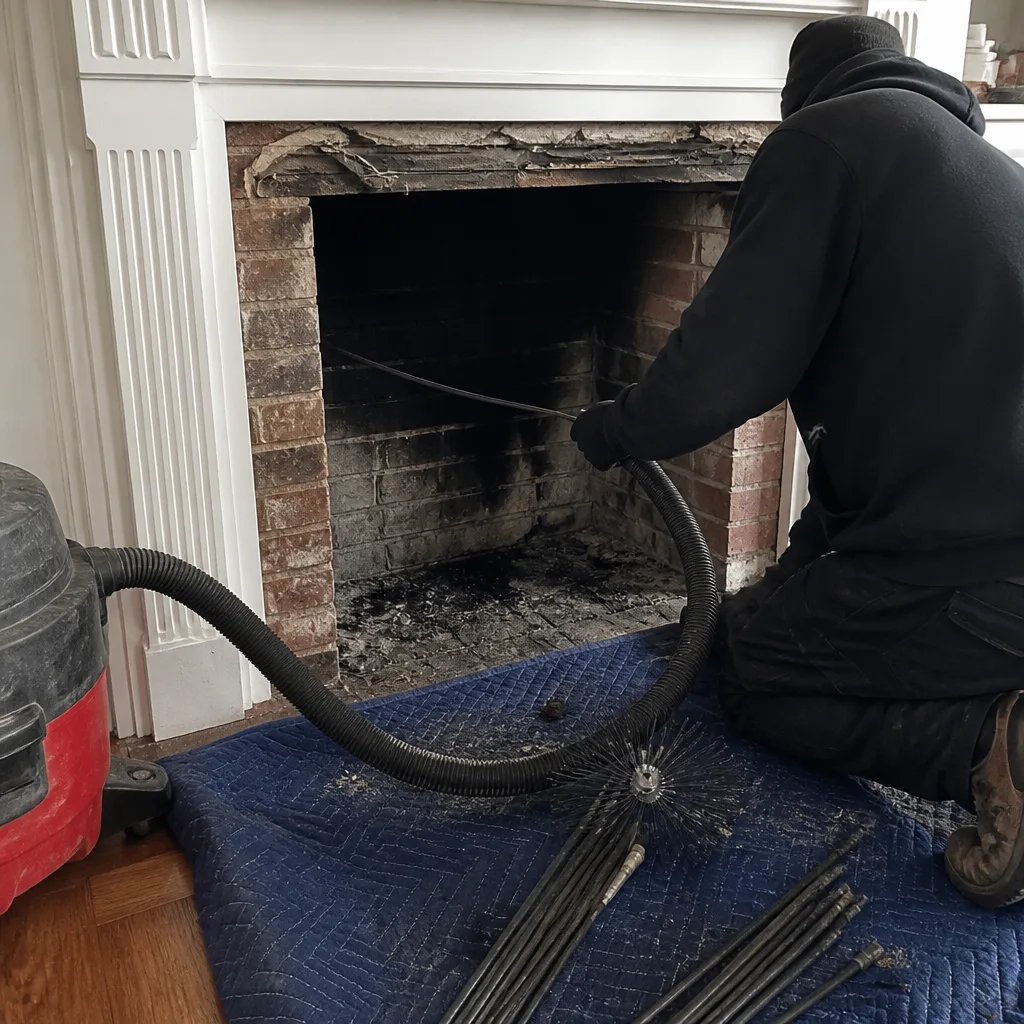 Before
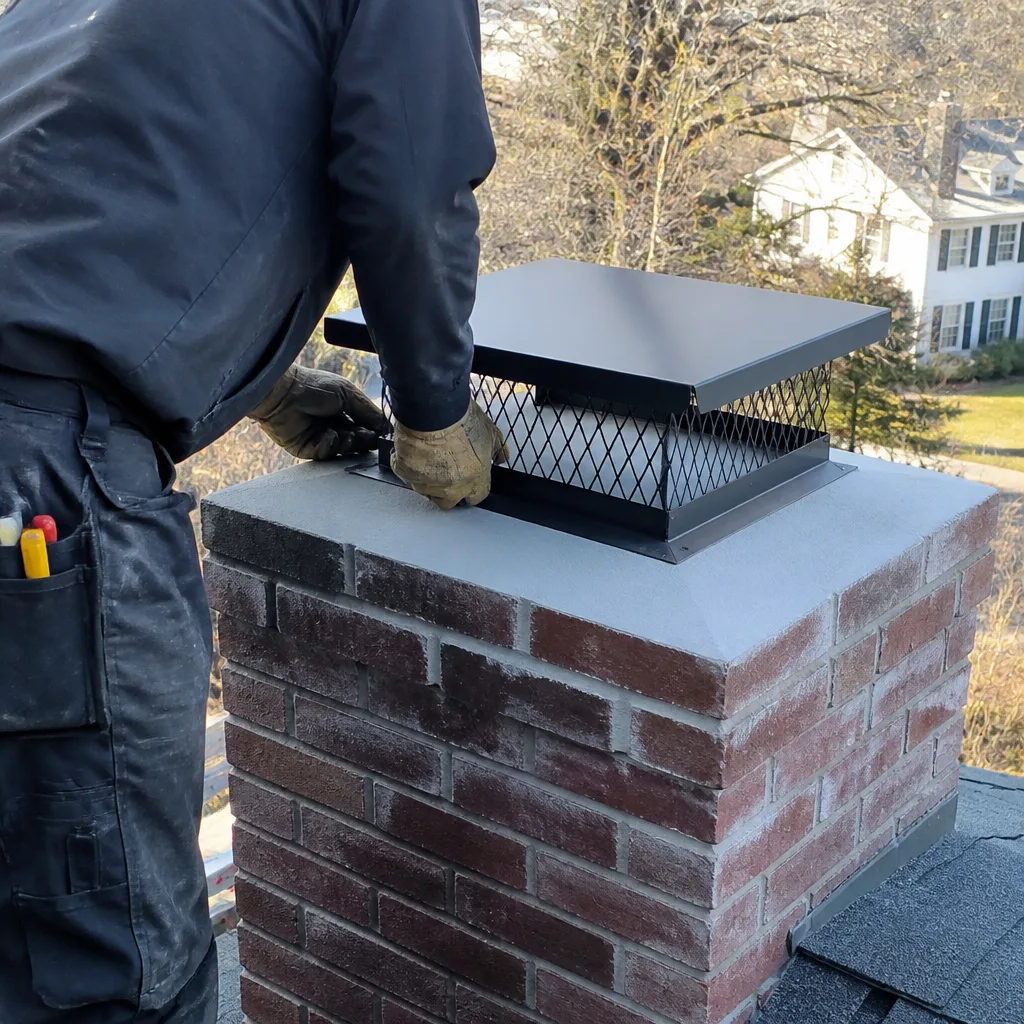 After
AfterGelco Chimney Cap Installation: The Rye Owner’s Guide
We stock and install Gelco-compatible chimney caps throughout Rye, with most installations running between $400 and $850 including the cap, mounting hardware, and labor. We keep the common sizes on the truck, so if your flue is a standard dimension we can usually handle the swap the same visit. Most Rye homeowners discover a failed cap the hard way: a rusted sheet-metal top that finally tore loose in a nor’easter, or rainwater pooling around the fireplace damper after a heavy spring rain. Sometimes it’s the mesh siding that’s gone, and they find squirrel nesting material pulled into the flue. The cap is the first line of defense between your chimney and everything the Sound throws at it.
Which Gelco Models This Applies To
Gelco builds caps for both masonry flues and factory-built metal chimneys, and matching the right one means measuring the flue tile, not eyeballing it. The most common residential lines we work with are the Gelco Deluxe Series (single-flue, stainless steel with a mesh screen) and the Gelco Multi-Flue line for wider masonry crowns that cover two or more tiles at once. The multi-flue units get tricky because the cap has to sit level on a brick crown that’s rarely actually level, especially on older Rye homes where the original mortar has weathered a century of salt air. We also run into Gelco’s oil-fired chimney caps on homes that still burn oil for heat, and those have a different venting requirement entirely.
Here’s the compatibility gotcha most Rye owners miss: a Deluxe Series cap sized for an 8×8 clay tile will not seat properly on an 8×12 tile, and forcing it creates gaps where embers and rain still get through. The measurement you need is the outside dimension of your flue tile, taken at the top of the chimney, not inside the firebox. If the tile is spalled or has rounded corners from exposure, we may need to build up a bed of high-temperature sealant to seat the cap correctly. We stock Gelco and quality aftermarket equivalents that match OEM specs, and if the original was a Gelco part we’ll match it where it matters: the screen gauge, the corner seams, and the stainless grade. Decades in, the OEM-vs-aftermarket debate is less about brand and more about whether someone measured the flue correctly before installing.
Signs Your Gelco Chimney Cap Installation Is Failing
- Rust bleeding down the chimney crown. The cheap-galvanized base plate on older Gelco-style caps eventually corrodes in Rye’s coastal air, leaving orange streaks on the brick that won’t wash off. By the time you see it, the cap’s hold on the flue tile is already compromised.
- Water streaks inside the firebox after rain. This is the telltale that the cap is no longer shedding water away from the flue. It might be a lifted corner, a rust-through, or a base that has shifted off-center.
- Mesh screen pulling away from the frame. Squirrels and raccoons find loose mesh fast, and they’ve already chewed at it before you see it. Once the mesh has failed on one side, the cap isn’t keeping anything out.
- Flue-whistle or a cap that’s visibly cocked after a storm. Walk outside and look at it from the street. If the cap’s askew or you can hear it chattering in the wind, the mounting is shot and you’re one gust from it ending up on the roof.
- Unfamiliar odor when the fireplace is burning. A compromised cap can alter the draft, sending smoke where it shouldn’t go and drawing in outside air that cools the flue. Your chimney should breathe its own air; a loose cap changes that equation.
Replacement Cost & What’s Included
In Rye, expect to pay between $400 and $850 for a complete Gelco-compatible chimney cap installation. A straightforward single-flue cap on an accessible roof with a sound flue tile runs toward the lower end. A multi-flue cap, or any job requiring a ladder setup that fights a steep Rye roofline, pushes toward $700 to $850. The price you get on the phone is the price on the invoice exactly what the job needs. Here’s what’s always included:
- The cap itself, matched to your flue measurement
- Mounting hardware and high-temperature sealant as needed
- Full removal of the failing cap, including any loose debris left by it
- Photo verification of the finished install, shot from the roof
- The 90-Day Done Right Promise in writing: if anything shifts or leaks within 90 days, one call brings Wendell and his crew back at no charge
No trip charge for any job inside the county.
DIY or Call Us?
You can safely check whether your Gelco cap is visibly damaged from the ground or from an upstairs window. If it’s cocked, torn, or the mesh has failed, you’ve done your part. The actual swap means being on a roof in Rye, often on a sloped surface that’s mossy on the north side, carrying a tool bag and a cap that wants to catch wind like a sail. Falls from chimney height are unforgiving, and the geometry of a bad footing next to a chimney stack isn’t something to learn on the fly. What I’d tell anyone on Milton Point: make the call, let us measure the flue properly and mount the cap so it stays put through the next noreaster, and don’t test your ladder skills on a salt-slicked shingle roof. Call Wendell and his crew at (914) 685-6096, and we’ll tell you whether the cap can wait or needs to go on tomorrow. If it can wait, we’ll say so. Simple as that.
FAQs
A quality stainless Gelco cap on a Rye chimney typically lasts 12 to 20 years, though the salt air off Long Island Sound shortens the life of the base plate and mesh compared to inland locations. Caps nearer the shore tend to fail at the lower end of that range, especially if they were installed with untreated steel hardware that rusts out before the cap itself does.
Sometimes, if the failure is limited to the mesh or a single corner seam, a repair patch will buy you a few more years, but once the base plate has rusted through or the mounting anchor has pulled loose, a patch is a temporary fix on borrowed time. Wendell will always show you the damage and give you the straight verdict: repair when it’ll actually hold, replace when it won’t.
A standard single-flue cap swap takes 45 to 90 minutes from ladder setup to final walk-down, assuming the flue tile is sound. Multi-flue caps or jobs on tricky Rye rooflines can push to two hours, and we’ll quote you an accurate window before we start.
We keep the common Gelco-compatible single-flue and multi-flue sizes on our trucks along with the mounting hardware, so most Rye installations are done the same visit. If your chimney needs a non-standard size, we can usually source it within a few days and coordinate the install around your schedule.
Written by Wendell Pike, Owner, Top Hat Chimney - Rye, NY at Top Hat Chimney, serving Rye and nearby areas.