
Last updated September 10, 2026
Level 1 sweep and inspection to the NFPA 211 annual standard - flue, crown, cap, and flashing checked and photographed
Chimney sweep logs do not sweep chimneys. They loosen some creosote - which then falls where a brush and vacuum still have to collect it.
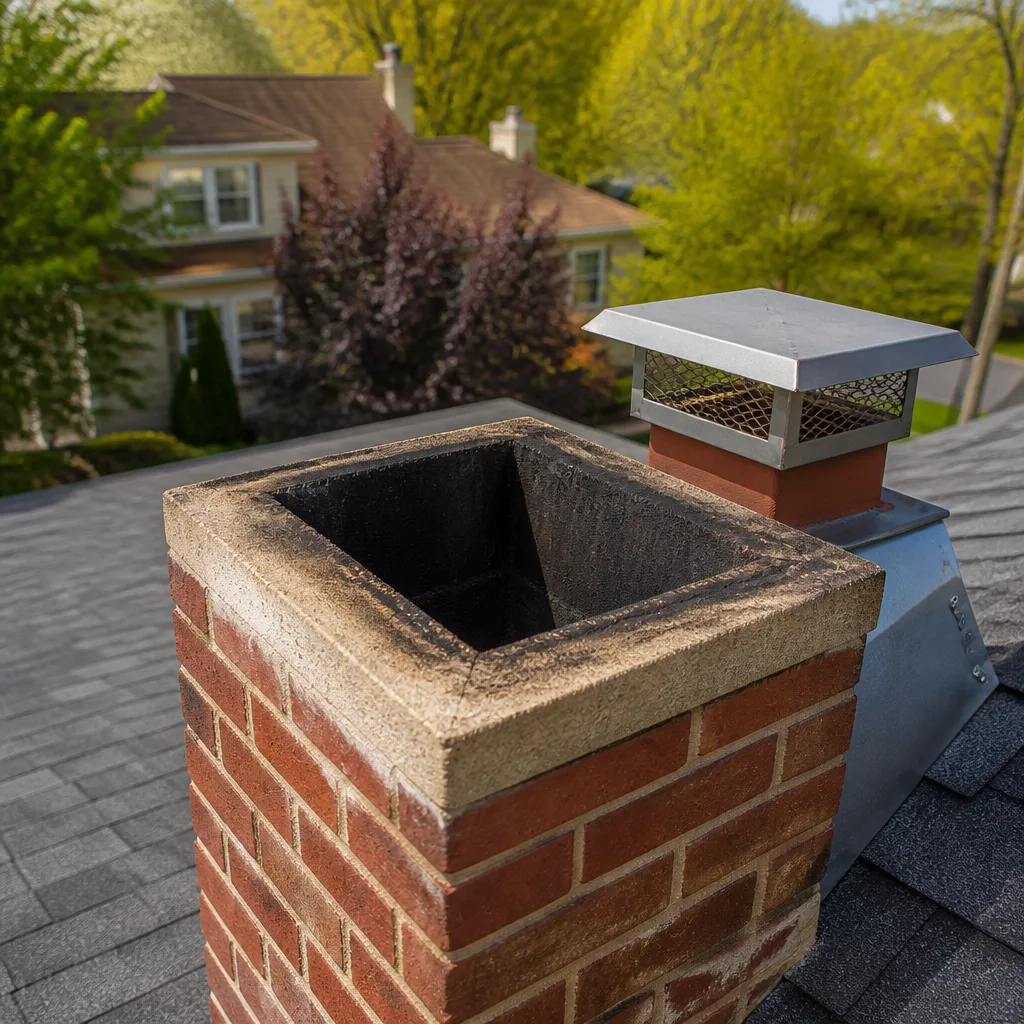
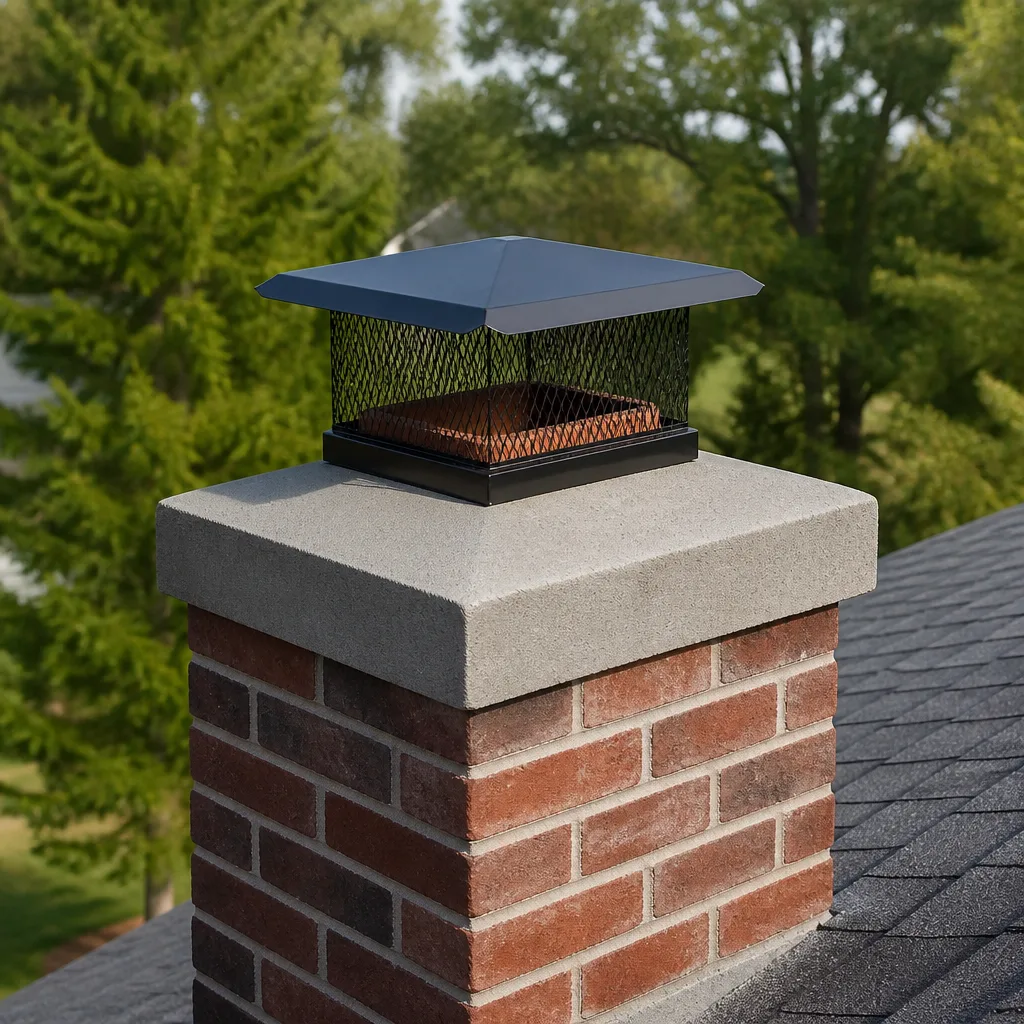
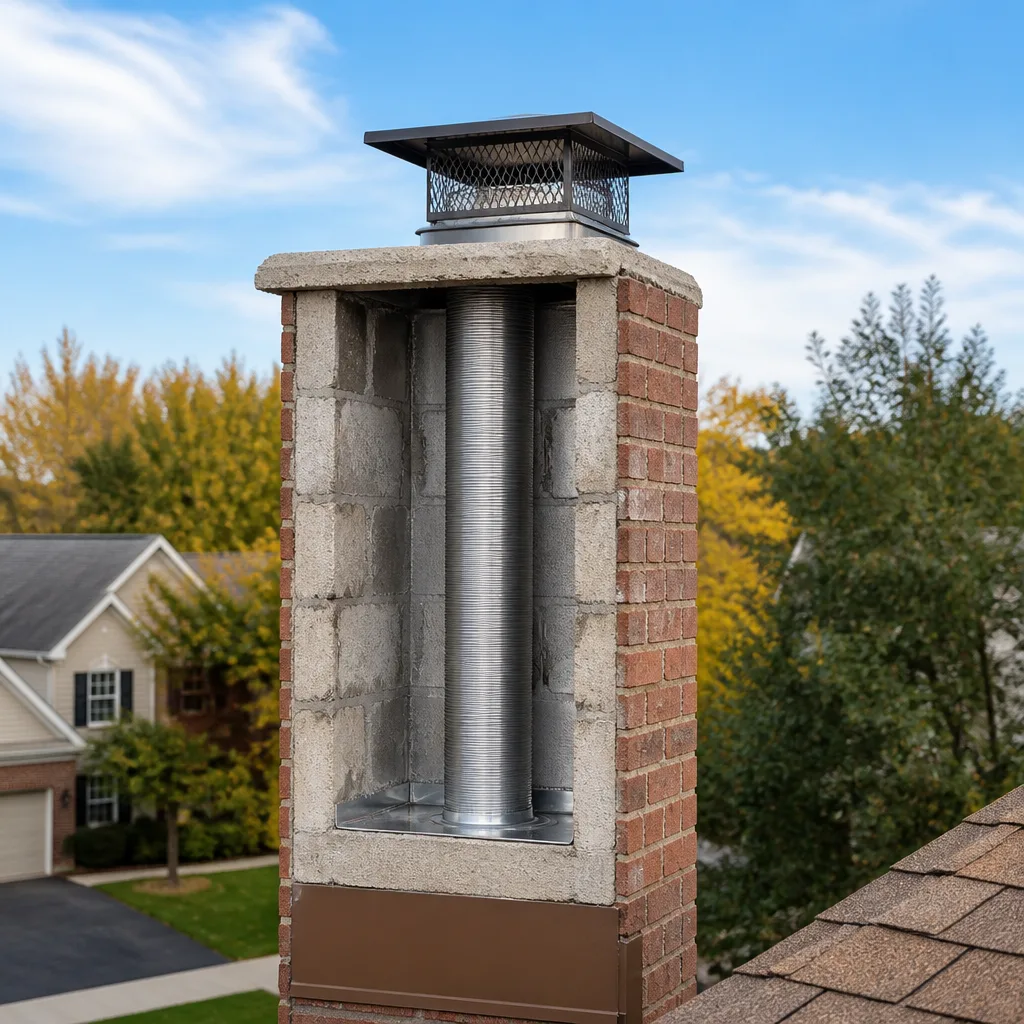
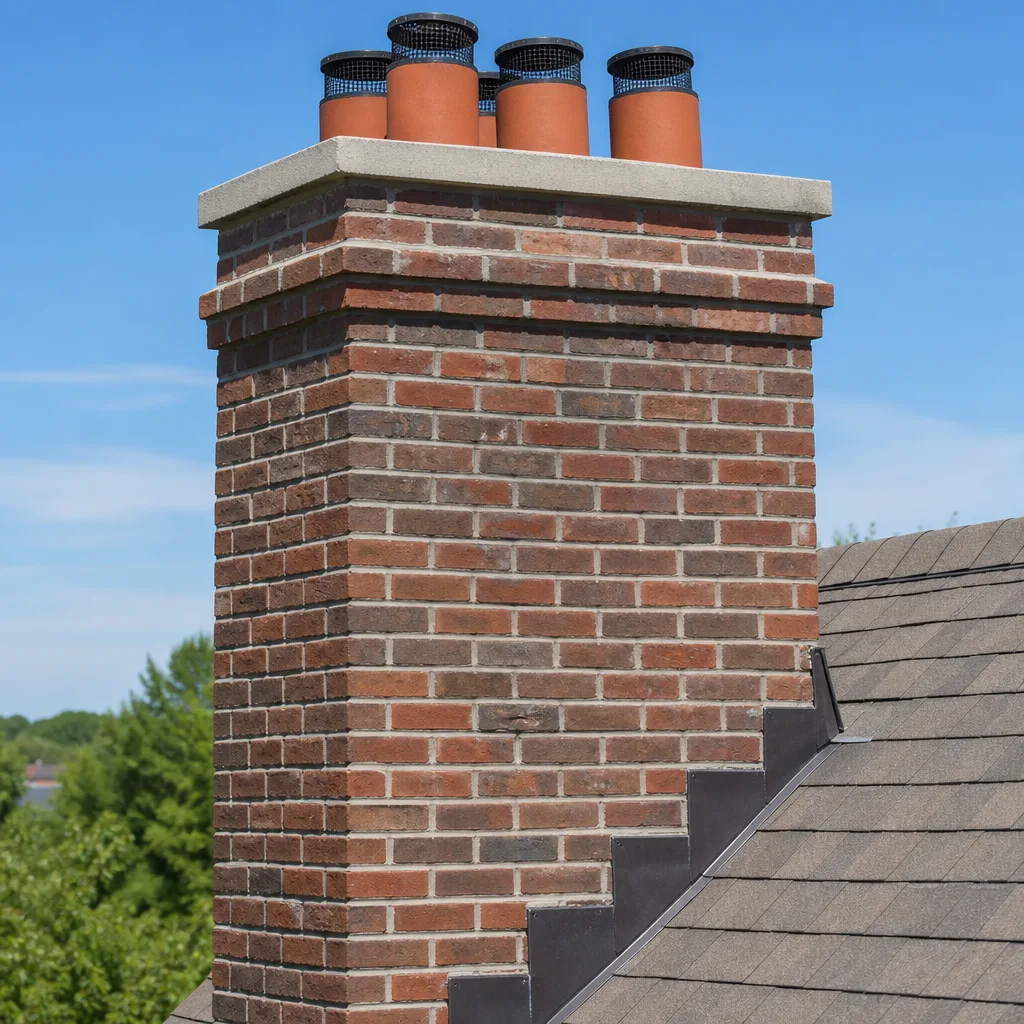
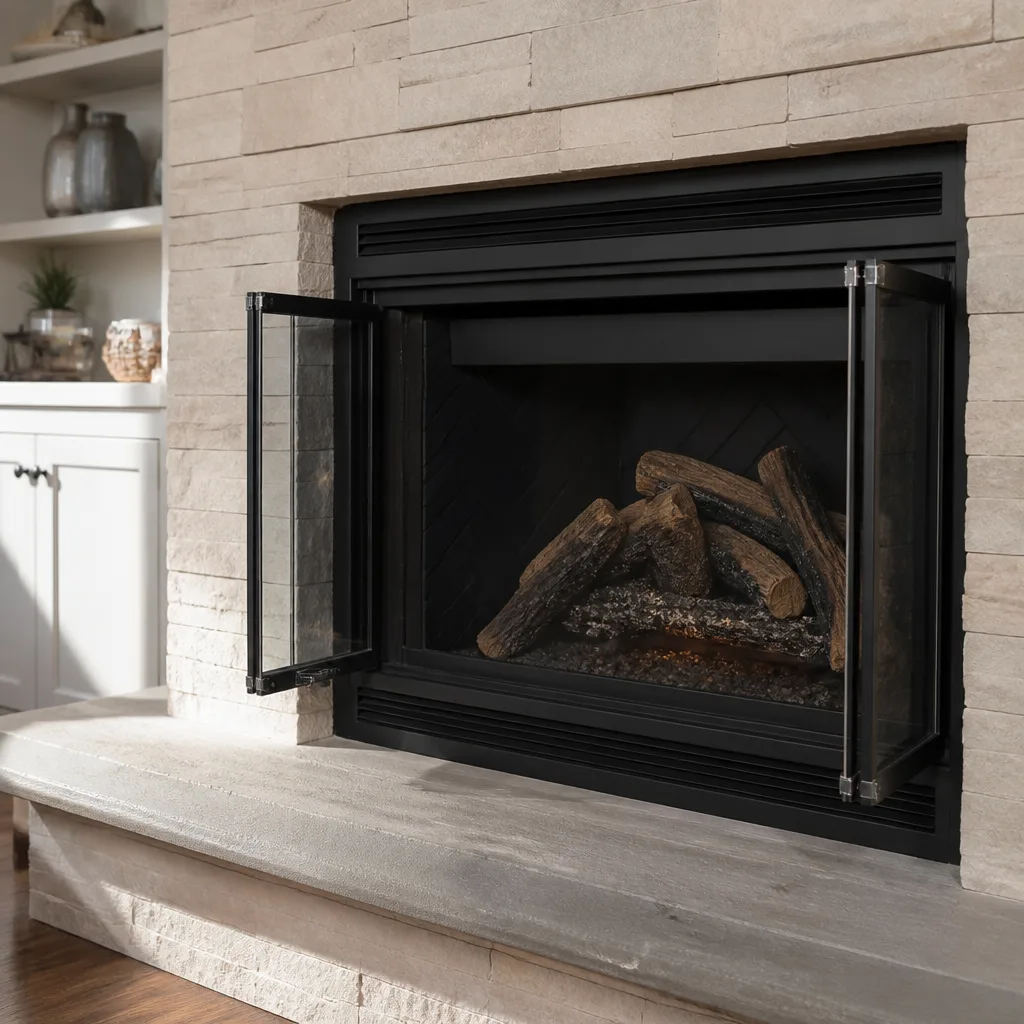
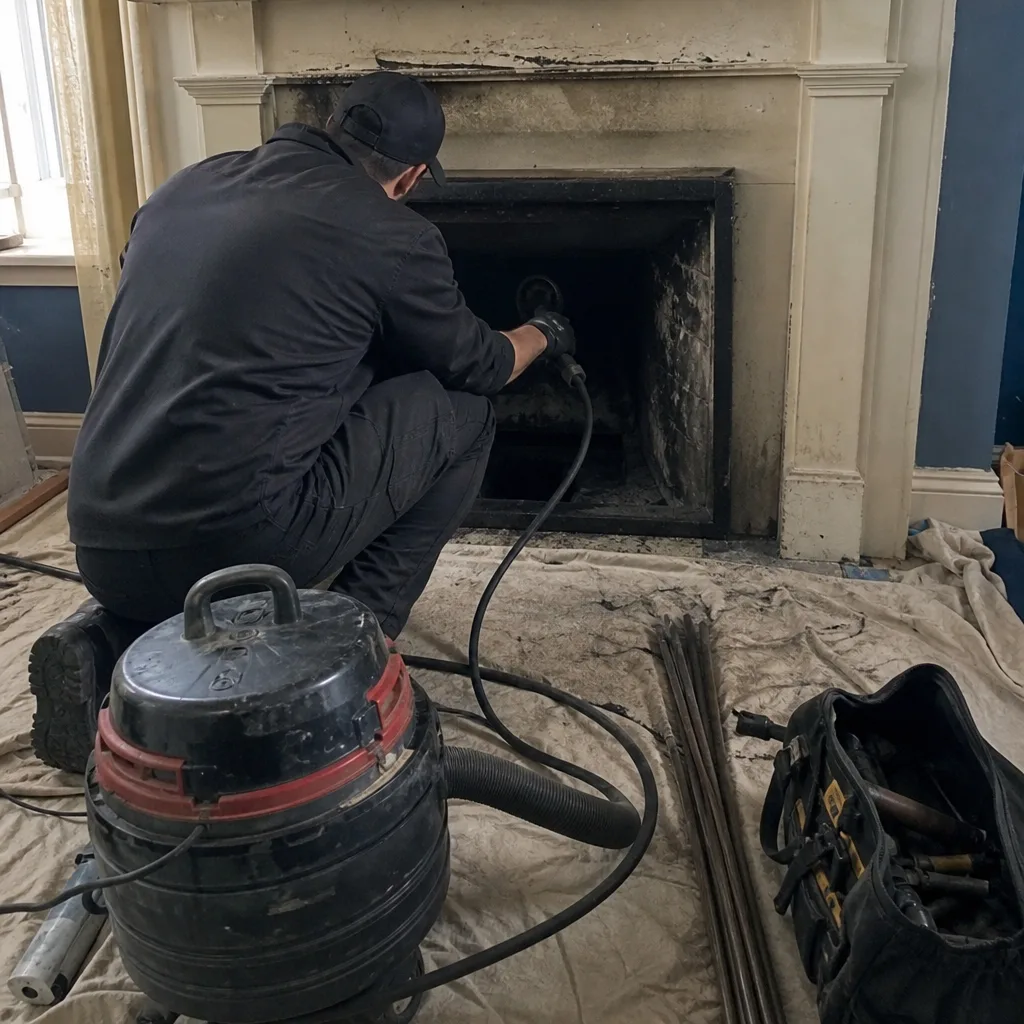 Before
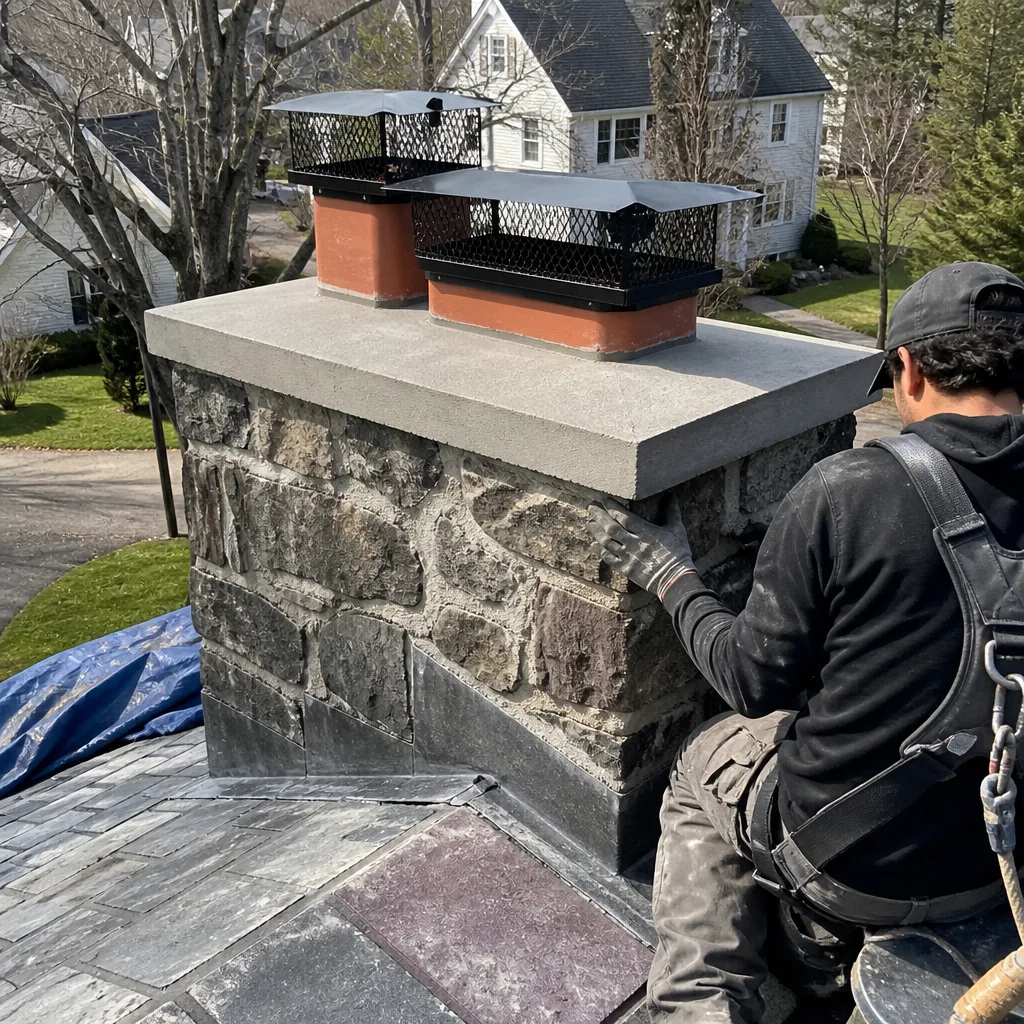 After
After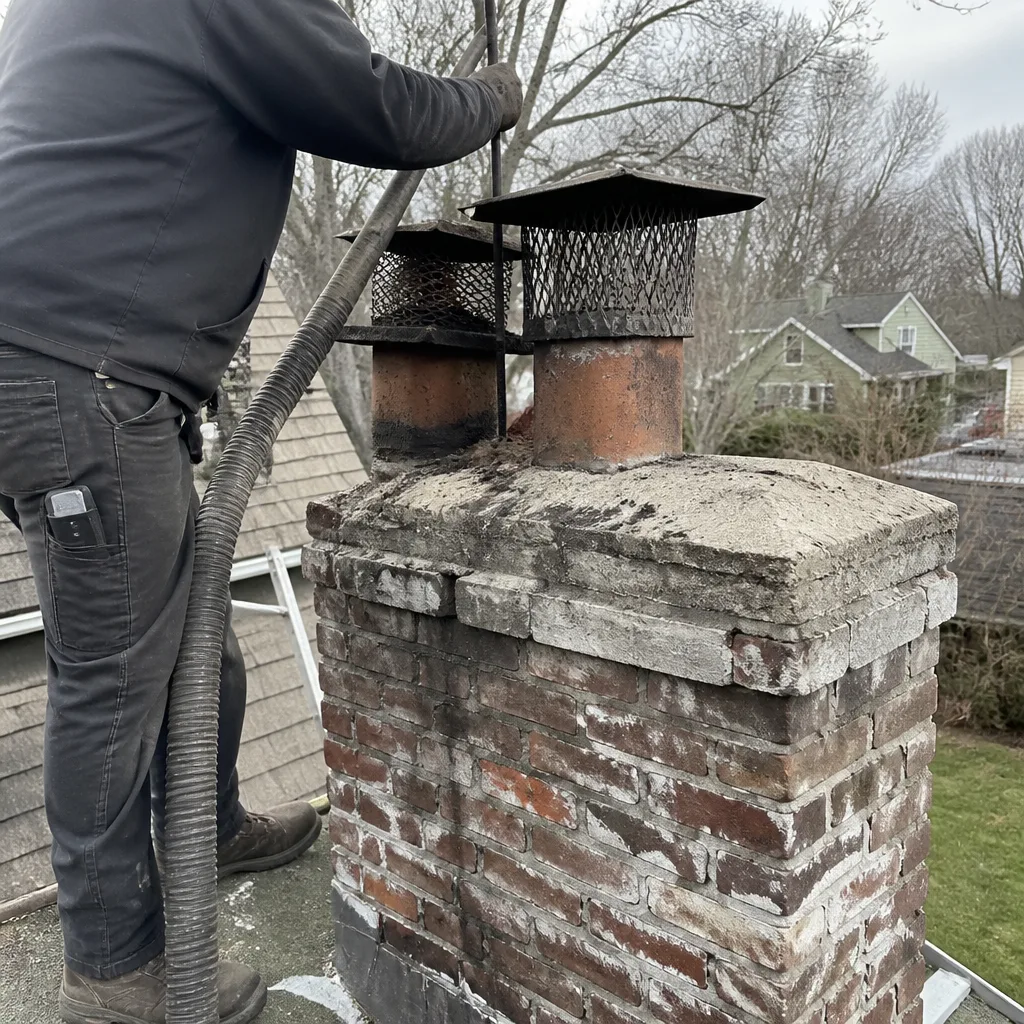 Before
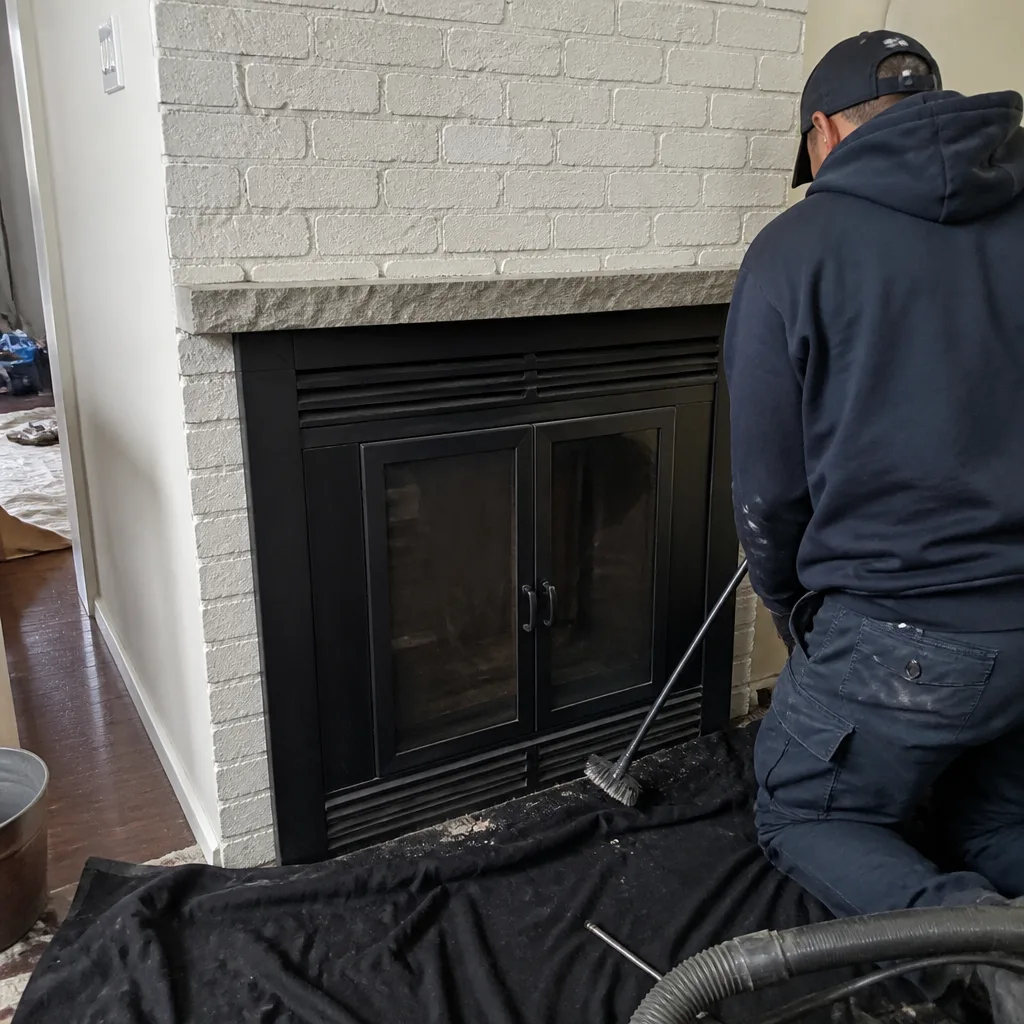 After
After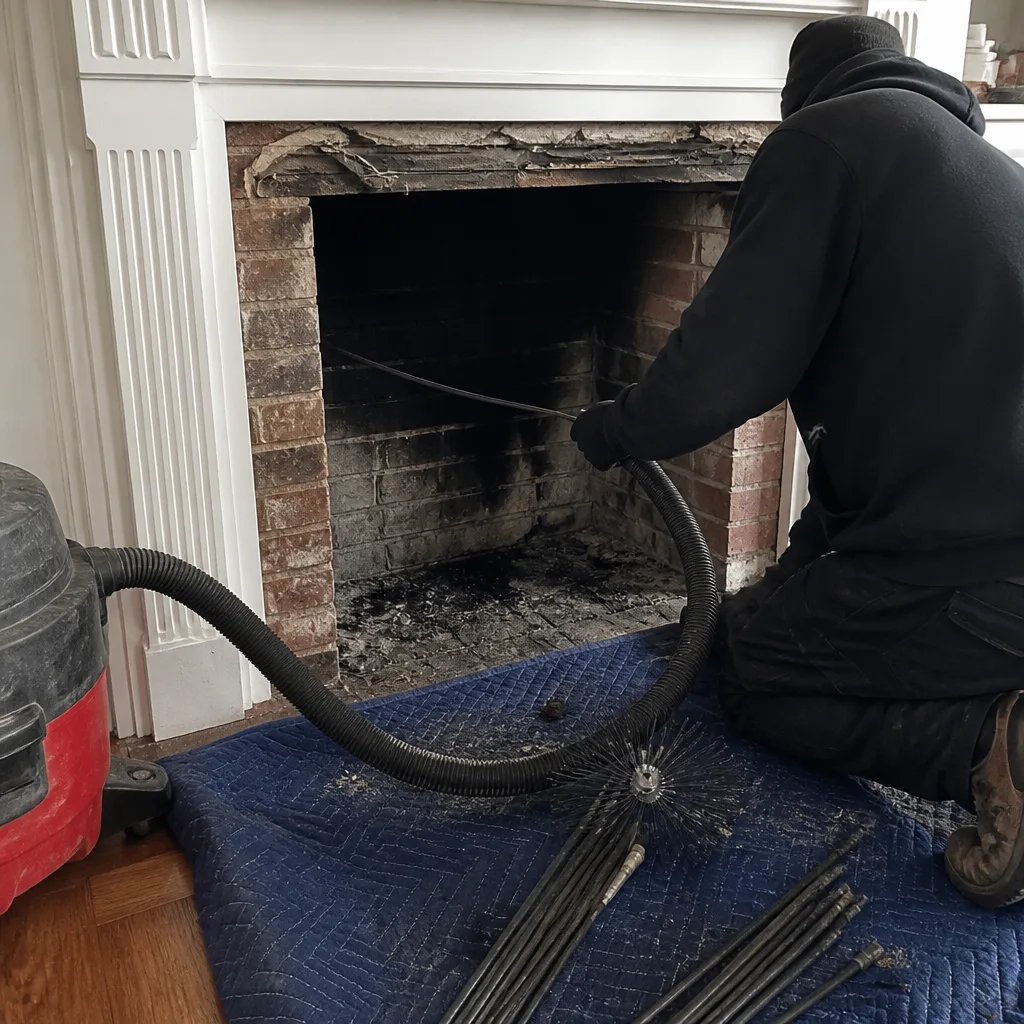 Before
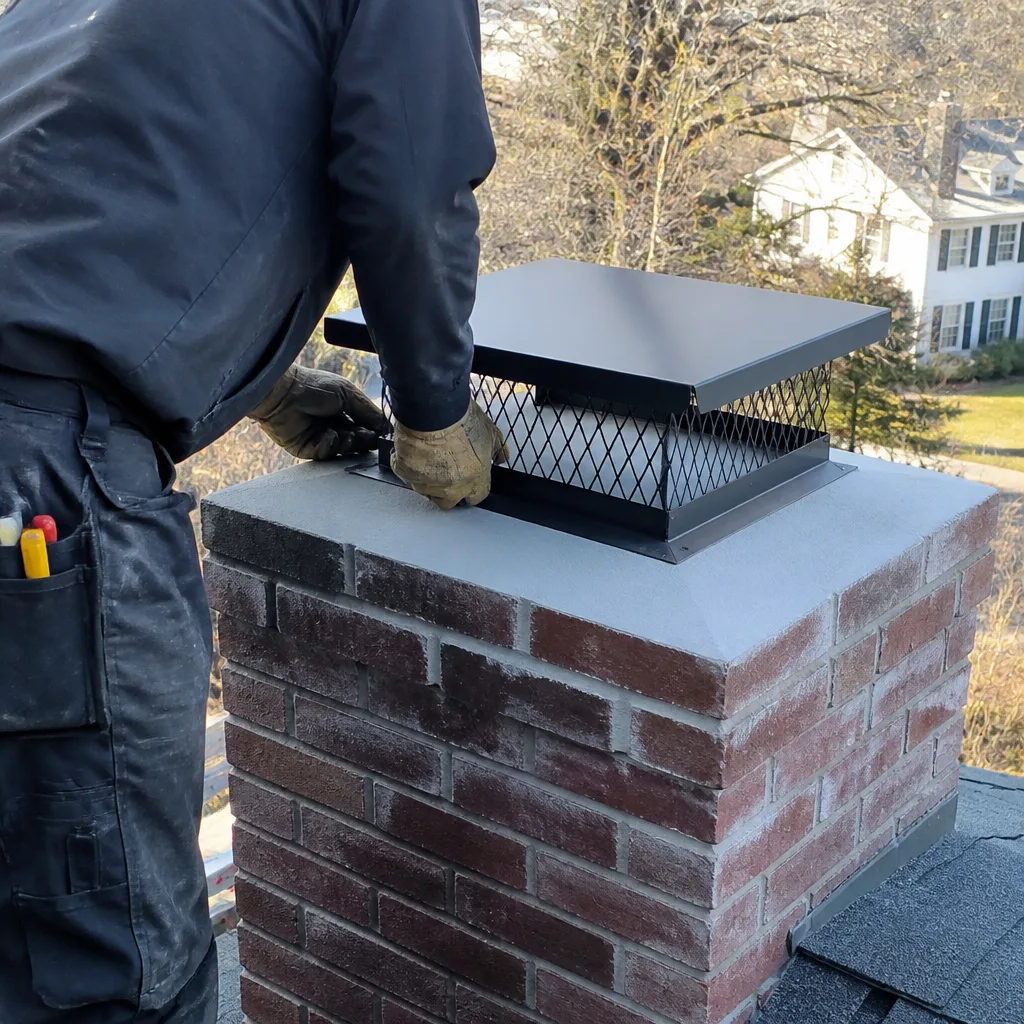 After
AfterThe Complete Guide to Chimney Cleaning in Rye
The Chimney Safety Institute of America puts the number at 85%: that’s how many chimney fires are considered preventable. But here’s the part most homeowners never hear. A good share of those fires happen in chimneys that were “cleaned” by someone who never actually looked at the liner. A brush through the flue is not an inspection. In Rye, where we work on everything from 1920s clay-tile flues to stainless liners installed last spring, the difference between “swept” and “safe” comes down to what the sweep checks while they’re up there. This guide explains what chimney cleaning actually involves, what it should cost in Rye, how often you genuinely need it, and how to read the report someone hands you afterward.
Quick Answer
Chimney cleaning in Rye typically costs between $180 and $350 for a standard sweep and Level 1 inspection, depending on flue condition, roof access, and whether animals or heavy creosote are involved. Most homes that burn wood regularly need an annual sweep; seasonal or occasional fireplaces can often go two years between cleanings if the liner is in good shape. The sweep should always include a camera or mirror inspection of the liner, and you should leave with a written condition report, not just a receipt.
Table of Contents
- What Chimney Cleaning Actually Involves
- Rye Flues: Old Clay, New Steel, and Why It Matters
- Creosote Stages: What They Look Like and What They Cost You
- How Often Should You Clean Your Chimney in Rye?
- How to Read a Sweep’s Inspection Report
- Questions to Ask Before a Sweep Climbs on Your Roof
- What Chimney Cleaning Costs in Rye, Line by Line
- Common Mistakes to Avoid
- When to Call a Professional
- Frequently Asked Questions
- The Bottom Line
What Chimney Cleaning Actually Involves
A proper chimney cleaning is not just running a brush up and down the flue. It’s a process. Wendell and his crew start with the firebox, work up through the smoke chamber, and finish at the chimney cap. Here’s what a real sweep looks like step by step:
- Setup and protection. Drop cloths go down around the hearth. A high-powered vacuum with a HEPA filter runs the whole time to keep dust out of your living room, not just move it around.
- Firebox and damper inspection. The sweep opens the damper, checks the throat, and clears ash and debris from the firebox. A damper that’s rusted or warped changes how the whole system draws.
- Brushing the flue. Wire or poly brushes sized specifically to your flue diameter run the full length of the liner. The brush breaks creosote and soot off the walls so the vacuum can pull it out.
- Smoke chamber cleaning. This is the angled section above the damper where creosote collects in thick layers. It’s the spot most often skipped by a rushed job. In Rye, where many older homes have corbeled brick smoke chambers with rough surfaces, this step takes time and makes a measurable difference.
- Cap and crown check. The sweep goes on the roof, clears any debris from the cap, checks the spark arrestor screen, and looks at the crown for cracks that let water in.
- Camera or mirror inspection. After the brushing, the flue gets a close look. We use a camera on every job because it shows cracks, gaps, and missing mortar joints that a mirror can miss. You see the footage. You get a plain-English verdict, every time, no exceptions.
That last step is the one that separates a cleaning from an actual safety check. A flue can look clean and still have a cracked tile six feet up that’s letting heat reach framing. Your flue doesn’t care how the fire looks. It cares how it breathes.
Rye Flues: Old Clay, New Steel, and Why It Matters
Rye’s housing stock runs from pre-war colonials near the sound to mid-century ranches and newer builds up toward the Connecticut border. That mix means we see two very different chimney systems, and what “clean” means for each is not the same.
Clay tile flues. Most homes built before roughly 1980 in Rye have terra cotta clay liners. Clay tiles are good insulators, but they crack. Freeze-thaw cycles in Westchester winters, settling foundations, and old chimney fires all take a toll. Once a clay tile cracks, creosote builds up faster in the gap, and the chimney stops venting properly. Cleaning a clay flue means being careful with brush pressure. Too aggressive and a cracked tile shifts or collapses, turning a $250 sweep into a $3,000 reline.
Stainless steel liners. Many Rye homeowners have replaced failing clay flues with stainless liners, often installed with a cast-in-place insulation or a poured mix. Stainless is smoother, so creosote doesn’t grab as quickly. But it’s not maintenance-free. We regularly find stainless liners in Rye that are full of Stage 2 creosote because the homeowner assumed the new liner meant no more cleaning. A stainless liner still needs an annual check and usually a sweep, though often a lighter one.
Knowing which system you have tells you what to expect. Clay flues in older Rye homes need closer watching and more careful cleaning. Stainless liners are more forgiving but not invisible. If you don’t know what’s in your flue, a camera inspection answers it in ten minutes.
Creosote Stages: What They Look Like and What They Cost You
Creosote is the flammable residue that condenses inside your flue as smoke cools. It builds up in stages, and the stage determines not just how much the cleaning costs but what method the sweep has to use. Here’s the breakdown from what we see in Rye chimneys every week:
Stage 1: Dusty soot and light flakes
Looks like flat black dust or thin flakes, similar to coffee grounds or dry paint chips. This is normal buildup from a season of burning. A standard brush sweep takes it off. Cost: standard sweep, no surcharge.
Stage 2: Crusty, shiny flakes
Stage 2 is chunky and crunchy, like burnt barbecue glaze. It forms when fires burn cooler or wood isn’t fully seasoned. It takes more passes with the brush and often a chemical treatment after to loosen what’s left. Cost: typically $50 to $100 over the base sweep price.
Stage 3: Glazed tar
Stage 3 creosote is a thick, shiny, tar-like coating that hardens into a glaze. This is the dangerous stage. A wire brush barely scratches it. Removing Stage 3 creosote often requires rotary chains or chemical treatments over multiple visits. A chimney fire at this stage is not a question of if, it’s when. Cost: $150 to $400 over base, and sometimes more if it’s widespread. First-degree creosote is a brush job. Third-degree is a glaze: catch it early.
If Stage 3 creosote has already damaged the liner, cleaning alone is not enough. You’re now in chimney repair in Rye territory, and the conversation shifts to liner repair or replacement.
How Often Should You Clean Your Chimney in Rye?
The standard advice is once a year, and for a lot of Rye homes that’s exactly right. But honest frequency guidance depends on how you burn. Here’s how we advise people:
- Weekly wood burners through the season: sweep every year. No exceptions. You’re building creosote fast enough that waiting 18 months invites Stage 2 or worse.
- Occasional weekend fires, seasoned hardwoods only: every 12 to 18 months is usually fine, as long as you get the camera check each visit. The liner may stay clean while the cap or crown develops a problem.
- Gas logs or gas fireplace only: cleaning is less about creosote and more about the unit. Gas fireplaces still need an annual check for soot on logs, carbon buildup, and venting issues. It’s a shorter visit and a lower price.
- Fireplace not used at all: still inspect every other year. Chimneys break in the off-season too. Water gets in through a cracked crown, animals build nests in the flue, and you won’t know until you either try to light a fire or smell something odd in July.
- Burning green or unseasoned wood: you may genuinely need two visits a season. Wet wood produces heavy smoke that cools fast and condenses as Stage 2 creosote quickly. If you’re in this camp, the better answer is to fix the wood supply first, and a good sweep will tell you that instead of just booking you for more cleanings.
Rye’s coastal humidity doesn’t help. Unseasoned wood stored outside near the sound absorbs moisture even when it looks dry. A moisture meter reading above 20% means that wood is working against you. Ask your sweep to check it; if they won’t, find another sweep.
How to Read a Sweep’s Inspection Report
Every chimney inspection falls into one of three levels set by the National Fire Protection Association. The levels matter because “inspected” can mean very different things depending on what the sweep actually did. Here’s how to know what you’re getting:
Level 1 inspection
This is the standard annual check. The sweep looks at all readily accessible areas: firebox, damper, flue interior, cap, and crown. No special tools beyond a flashlight and maybe a mirror. A Level 1 is included with most standard cleanings. If there’s been no change in how you use the fireplace and no known problems, Level 1 is the right call.
Level 2 inspection
Level 2 adds a camera scan, which is essential if you’ve had a chimney fire, changed fuel type, changed liner, or just bought the house. It’s also required for real estate transfers in many cases. The camera goes up the entire flue and documents cracks, gaps, water damage, or improper clearances. In Rye, where many homes are bought and sold with older chimneys, we do camera on every job because a Level 1 mirror check simply misses too much.
Level 3 inspection
Level 3 happens when a Level 2 finds something serious enough that some part of the chimney needs to be opened up, usually by removing brick or part of the crown to access hidden areas. It’s rarely necessary, but when it is, the sweep should explain exactly why and what they’re looking for. If someone jumps straight to Level 3 without showing you camera footage first, ask hard questions.
Ask your sweep to write which level they performed on the invoice. If the report says “inspected” but doesn’t specify a level, it’s not a real inspection report. A written condition report with photos and a plain-English summary is the standard, and any sweep who won’t leave that behind is not doing the full job.
Questions to Ask Before a Sweep Climbs on Your Roof
Most Rye homeowners spend more time choosing a pizza place than a chimney sweep-our step-by-step guide to hiring a chimney cleaning contractor in Rye can help. The wrong choice means a dirty hearth, a scratched roof, or worse, a flue that still has a crack in it when they leave. Here’s what to ask before anyone sets up a ladder:
- What’s your license number? A legitimate sweep has a number, is registered with the state or county where required, and will tell you without hesitation. Wendell publishes his license number and puts his name on every job. Ask anyone on your street.
- Are you insured and can I verify it? A sweep should carry liability and workers’ comp. If someone falls off your roof and they’re not insured, that’s your homeowner’s policy on the hook.
- What inspection level do you perform? The answer should be specific: “Level 2 with camera on every job.” Vague answers like “we inspect everything” without a level are a red flag.
- What will you leave behind in writing? You should get a written condition report, not just a receipt. Camera footage and a plain-English verdict, every time, no exceptions.
- What’s your pricing structure? The answer should be a flat price, quoted before work begins. The number you hear on the phone should be the number on the invoice. No-hassle upfront pricing before a single tool comes off the truck is the rule.
- Who’s actually coming to my house? Background-checked, uniformed technicians who give you a real arrival window and call if it slips. If the answer is “whoever’s free,” that’s a dispatch operation, not a local sweep.
What Chimney Cleaning Costs in Rye, Line by Line
Pricing in Rye runs a bit higher than upstate because roof access is tighter, chimneys are older, and parking a work truck near the sound takes planning. Here’s a realistic breakdown of what you should expect to see on an invoice in this market:
| Service | Typical Rye Price Range | Notes |
|---|---|---|
| Standard sweep, Level 1 inspection | $180 - $275 | Clay or stainless, average condition |
| Sweep with Level 2 camera inspection | $250 - $350 | Camera adds detail and documentation |
| Stage 2 creosote surcharge | $50 - $100 | Extra brush passes, chemical treatment |
| Stage 3 creosote removal | $150 - $400+ | Rotary cleaning, possible multiple visits |
| Cap replacement (basic galvanized) | $150 - $250 installed | Stainless runs higher |
| Crown repair or reseal | $200 - $600 | Depends on crown size and damage |
| Animal removal plus cap screen | $200 - $400 | Raccoons, squirrels, birds common in Rye |
These are honest ranges for Rye, not anchors from a national franchise trying to upsell you. The actual number depends on flue height, roof pitch, liner condition, and what the camera shows. Any estimate should be free, written, and honored at the door.
Common Mistakes to Avoid
- Trusting a sweep who never checks the liner. A brush through the flue without a camera or mirror inspection misses cracks that cause chimney fires. If you didn’t see footage or get a written report, you didn’t get an inspection.
- Burning green wood because it was cheap. Wet wood in Rye’s humid climate creates Stage 2 creosote fast. The money you save on wood goes straight to extra cleaning charges and higher fire risk.
- Skipping the cap because it’s “just a screen.” A missing or damaged cap lets rain, leaves, and animals into the flue, and a raccoon family in a Rye chimney is a spring problem we see every year.
- Assuming a stainless liner means no maintenance. Stainless liners collect creosote too, just more slowly. An annual check is still required, especially after heavy burning seasons.
- Quoting one price on the phone and accepting another at the door. A local, owner-operated sweep gives you a number before the tools come off the truck. If the price changes when they arrive, send them home.
- Deferring a repair because the fireplace still works. Cracked tiles and rusted dampers don’t fix themselves. A $400 repair now beats a $3,500 reline in two years.
- Choosing a sweep based on the lowest bid. Anyone can undercut. The question is what they’re skipping to do it. Ask about license, insurance, inspection level, and what they leave in writing.
When to Call a Professional
Call a chimney sweep in Rye if you smell smoke or musty odors from the fireplace when it’s not in use, see black crusty buildup in the firebox, notice a fire that’s smoky or struggling to draw, spot water stains on the ceiling near the chimney, or hear animals in the flue. If your last cleaning was more than two seasons ago and you burn wood, don’t wait for a symptom. The camera footage takes ten minutes, and then you know. A chimney fire doesn’t always roar; many burn slow and contained until they find the gap between a cracked tile and a wooden joist. Top Hat Chimney offers free estimates in Rye: call (914) 685-6096 and Wendell or his crew will set a real arrival window, no call center, no voicemail box.
Frequently Asked Questions
A standard chimney sweep in Rye costs between $180 and $350, depending on flue condition, height, roof access, and the inspection level. Camera inspection adds roughly $70 to $100 over a basic sweep. Stage 2 or Stage 3 creosote surcharges add $50 to $400, and liner repairs are quoted separately. Call (914) 685-6096 for a flat-price quote before the truck rolls.
Maybe not. A legitimate sweep shows you camera footage of the exact crack, gap, or deterioration before recommending a liner. If the flue is intact and only creosote is present, a cleaning is the answer. If the liner is cracked, glazed with Stage 3 creosote, or improperly sized, a repair or replacement is a safety issue, not an upsell. Get a second opinion if you’re unsure; a free second opinion on any written estimate is the standard any confident sweep will meet.
Wood-burning fireplaces in Rye should be swept every 12 months if used regularly, and inspected even if not used, as our year-round seasonal chimney care guide for Rye explains. Occasional fires with seasoned wood can stretch to 18 months with a clean camera report. Gas fireplaces need an annual unit check, not a sweep in the traditional sense. Two cleanings a season is only needed if you burn wet or green wood.
Creosote builds up in stages, and Stage 3 glazed creosote is a fire waiting for a spark. Even without a fire, water entry through a damaged crown or missing cap causes bricks to spall and mortar to crumble, turning a $250 cleaning into a multi-thousand-dollar rebuild. Skipping maintenance doesn’t save money; it moves the cost further down the road and makes it bigger.
You can, but you shouldn’t if you like your back and your roof. A proper sweep involves roof access, specialized brushes sized to your flue, proper containment, and a camera inspection at the end. Without the camera, you’re just moving soot around and guessing. The real value of a professional sweep in Rye isn’t the brushing, it’s the inspection that comes with it.
Every single time, yes. A mirror check shows the first few feet of flue. A camera shows the entire liner, top to bottom, documenting cracks, gaps, and creosote stage in a way you can see and hold onto. In older Rye homes with clay tile flues, the camera finds problems before they become fires. The footage and a plain-English verdict, every time, no exceptions.
The Bottom Line
Chimney cleaning in Rye is not one-size-fits-all. What you burn, how often, and what your flue is made of determine the right schedule and the right method. An annual sweep with a Level 2 camera inspection is the safe default for most wood-burning homes, and the cost runs $250 to $350 in this market. The cleaning itself is only half the job; the inspection and written report are what actually protect your house. Ask for a license number, a flat price, and camera footage. Skip the outfits that quote one number on the phone and another at the door. For more guides & resources or an honest, no-pressure look at your chimney, call Top Hat Chimney at (914) 685-6096. We answer the phone, and it might be Wendell himself.
Written by Wendell Pike, Owner at Top Hat Chimney, serving Rye since 1999.