
Last updated September 10, 2026
Level 1 sweep and inspection to the NFPA 211 annual standard - flue, crown, cap, and flashing checked and photographed
Chimney sweep logs do not sweep chimneys. They loosen some creosote - which then falls where a brush and vacuum still have to collect it.
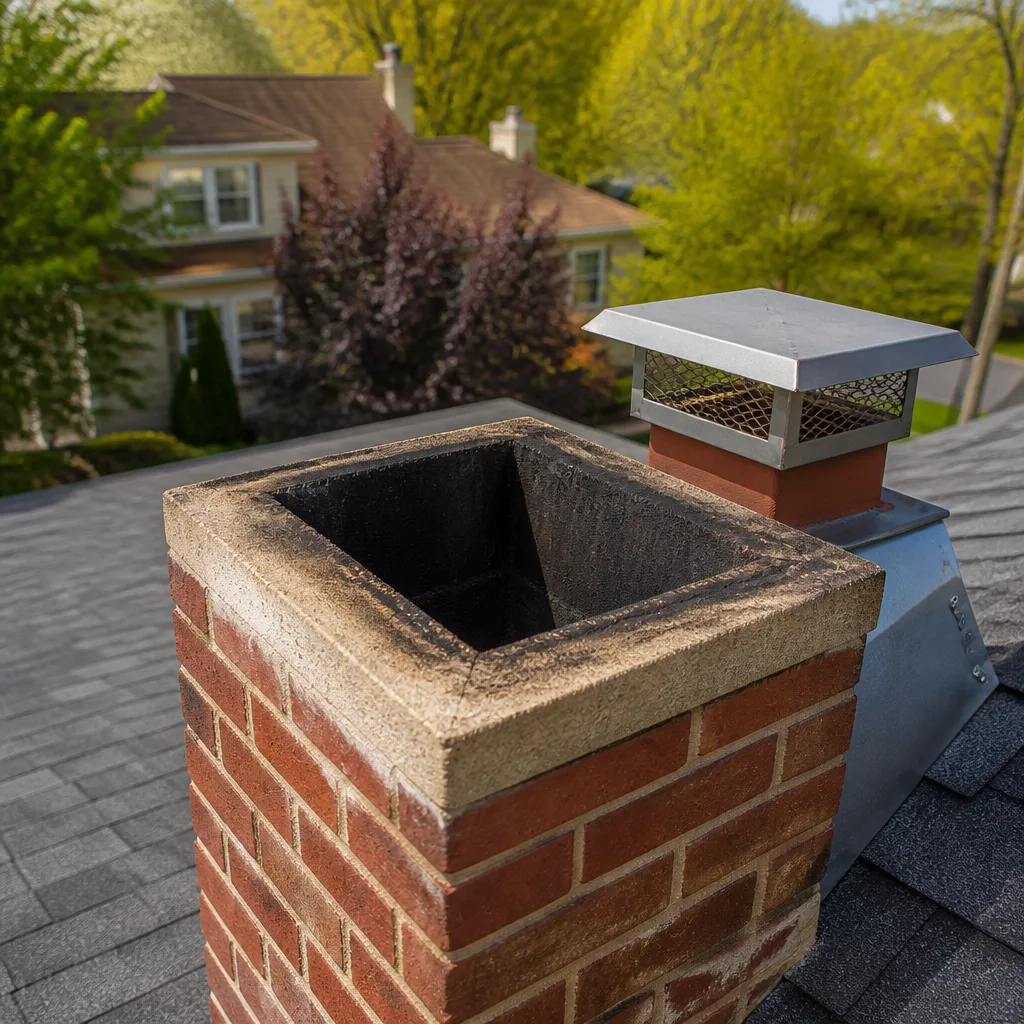
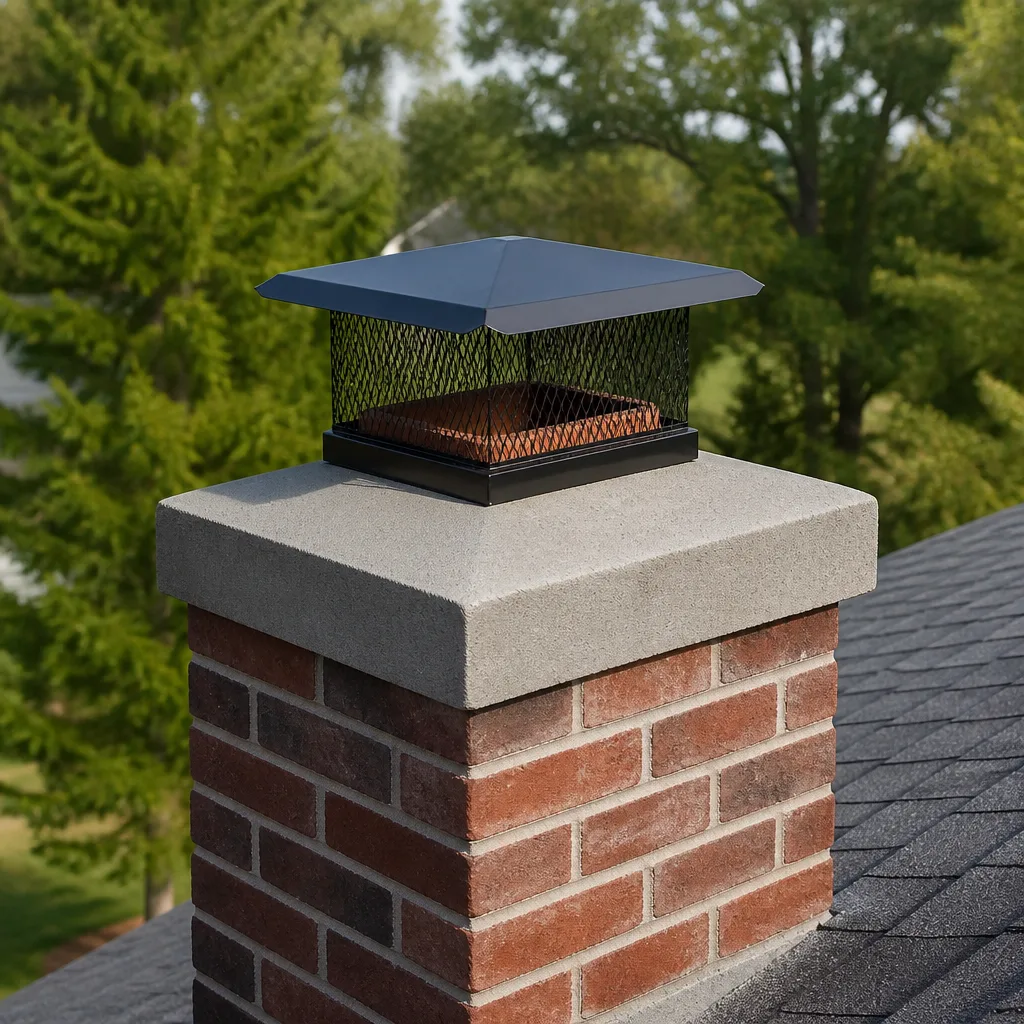
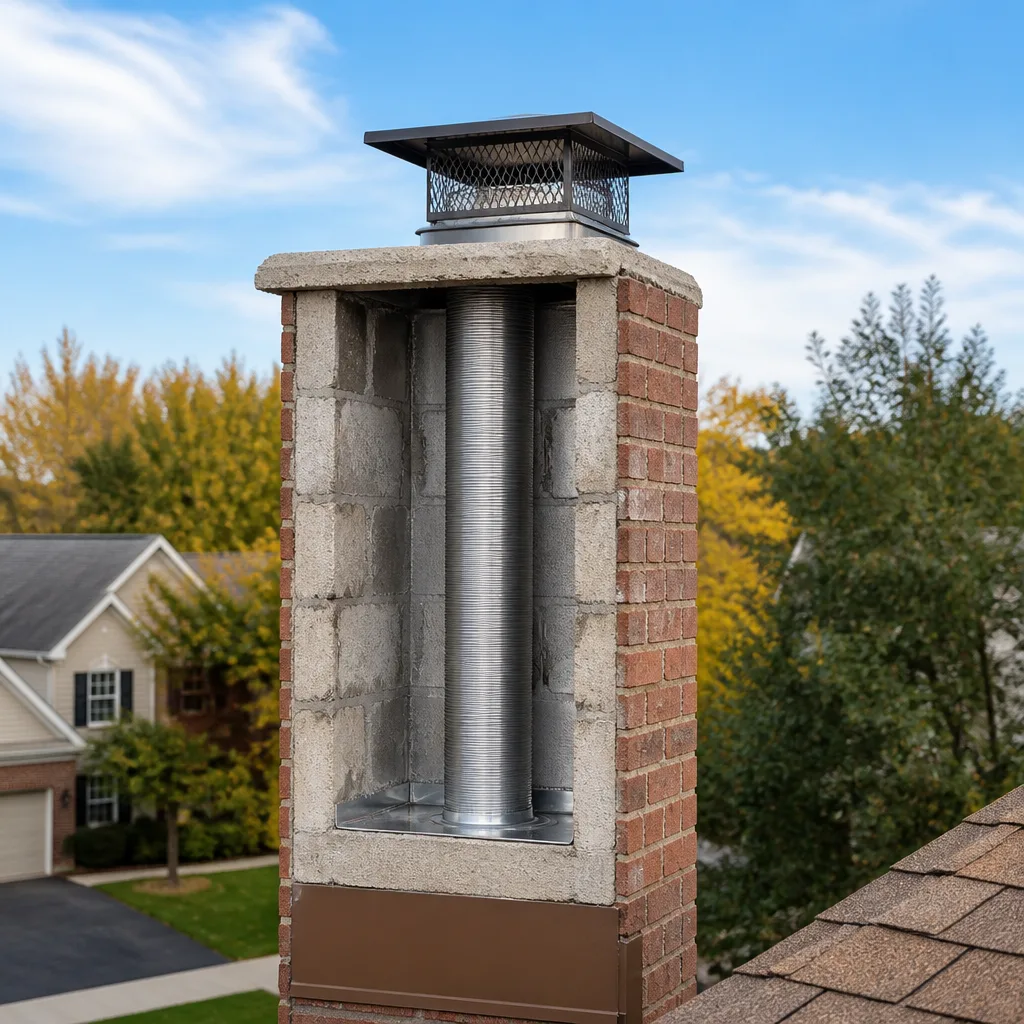
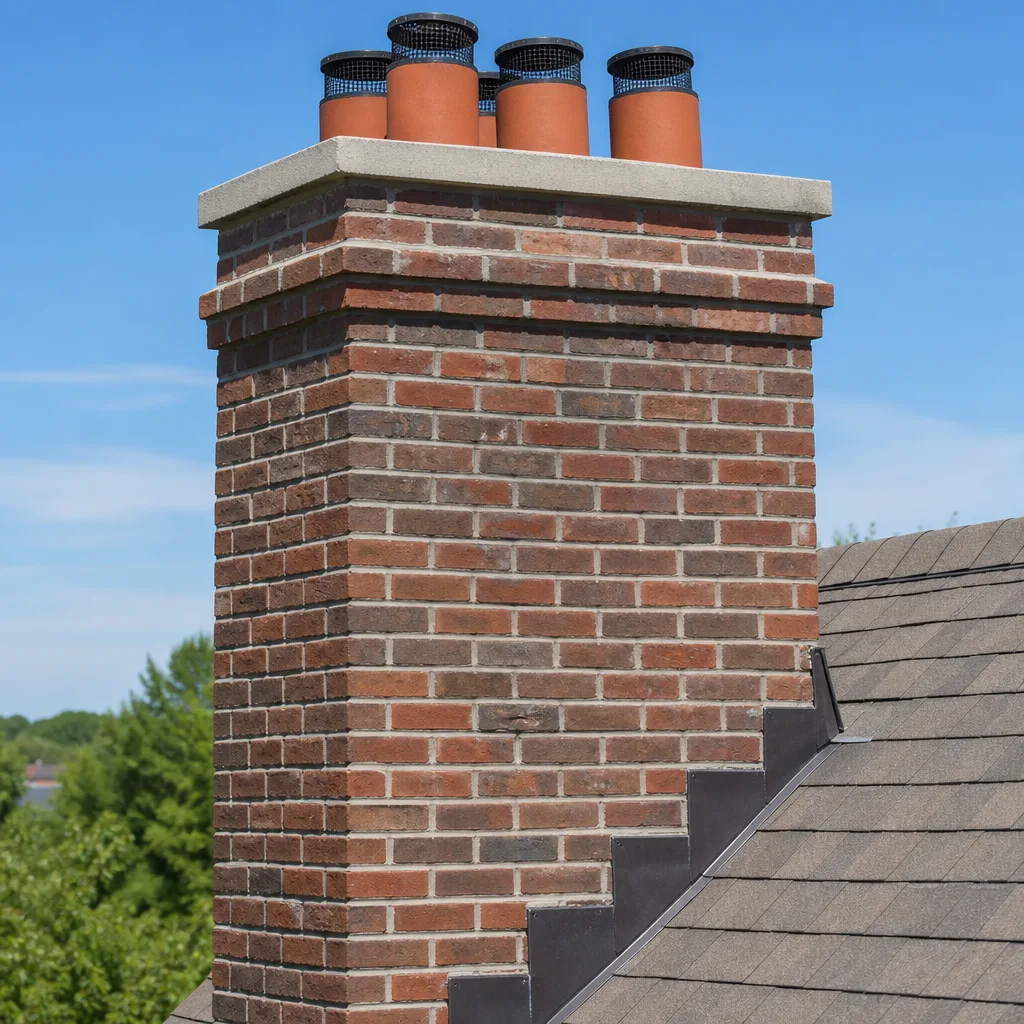
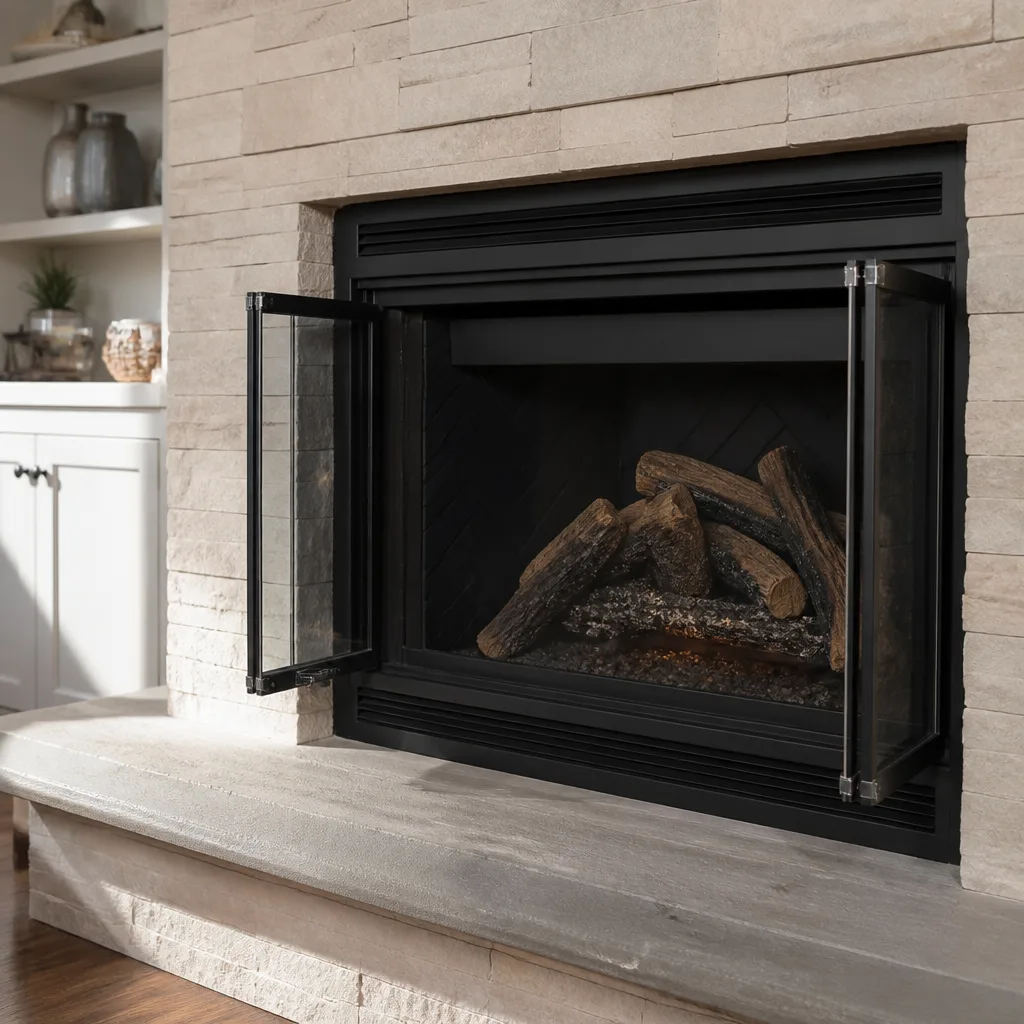
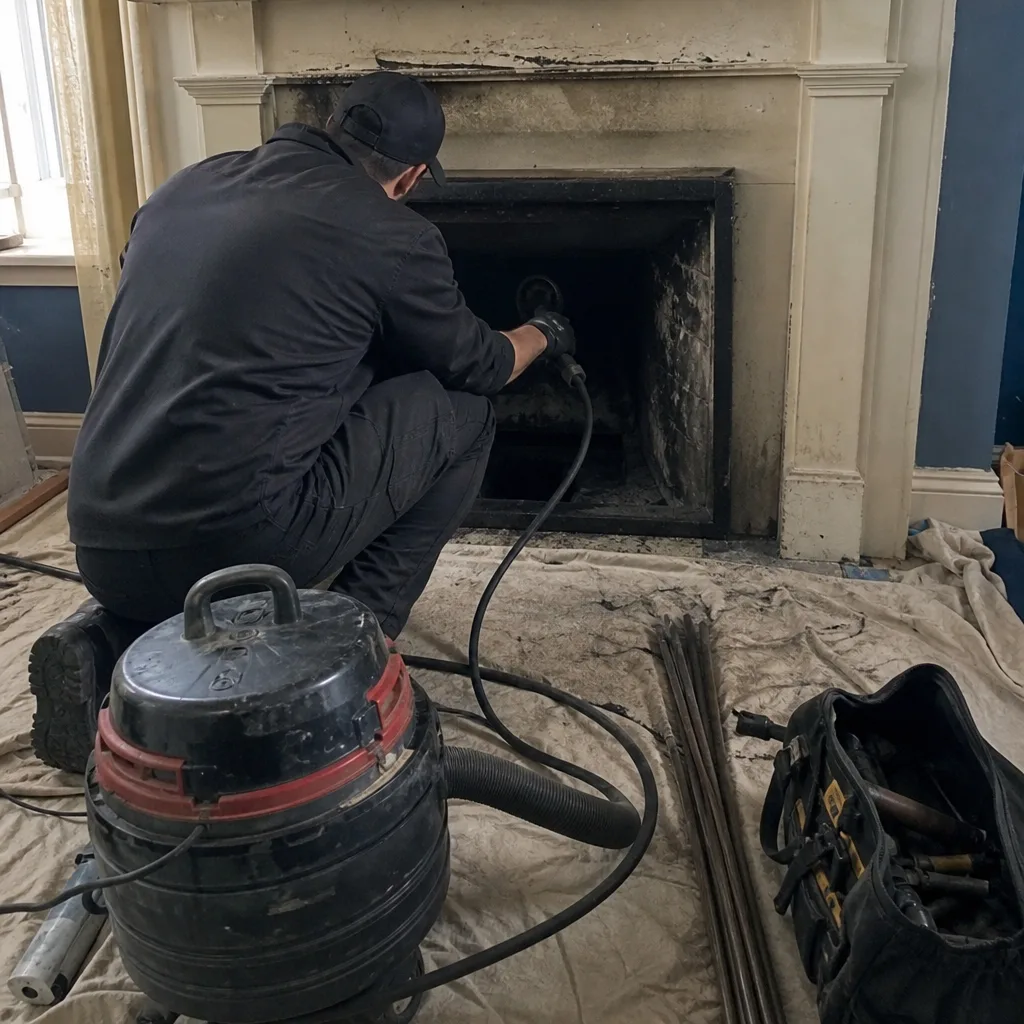 Before
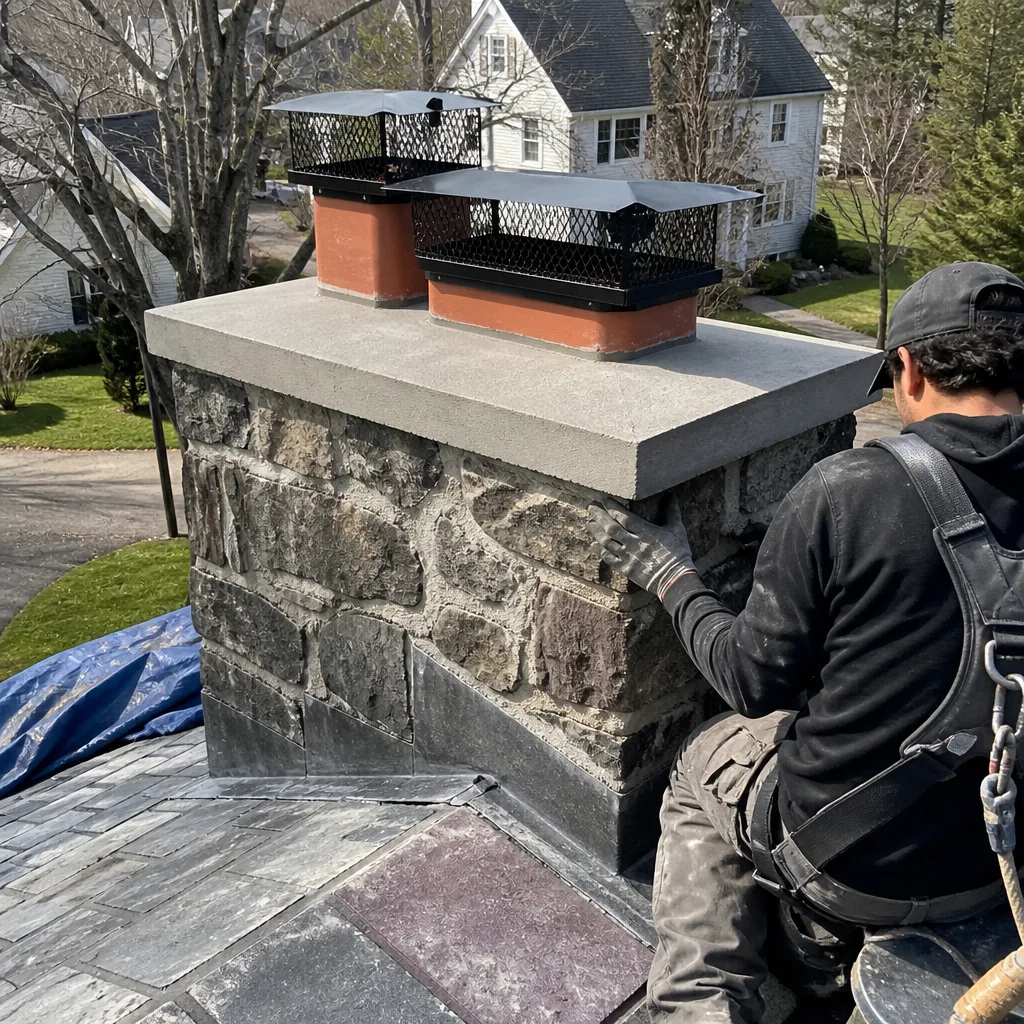 After
After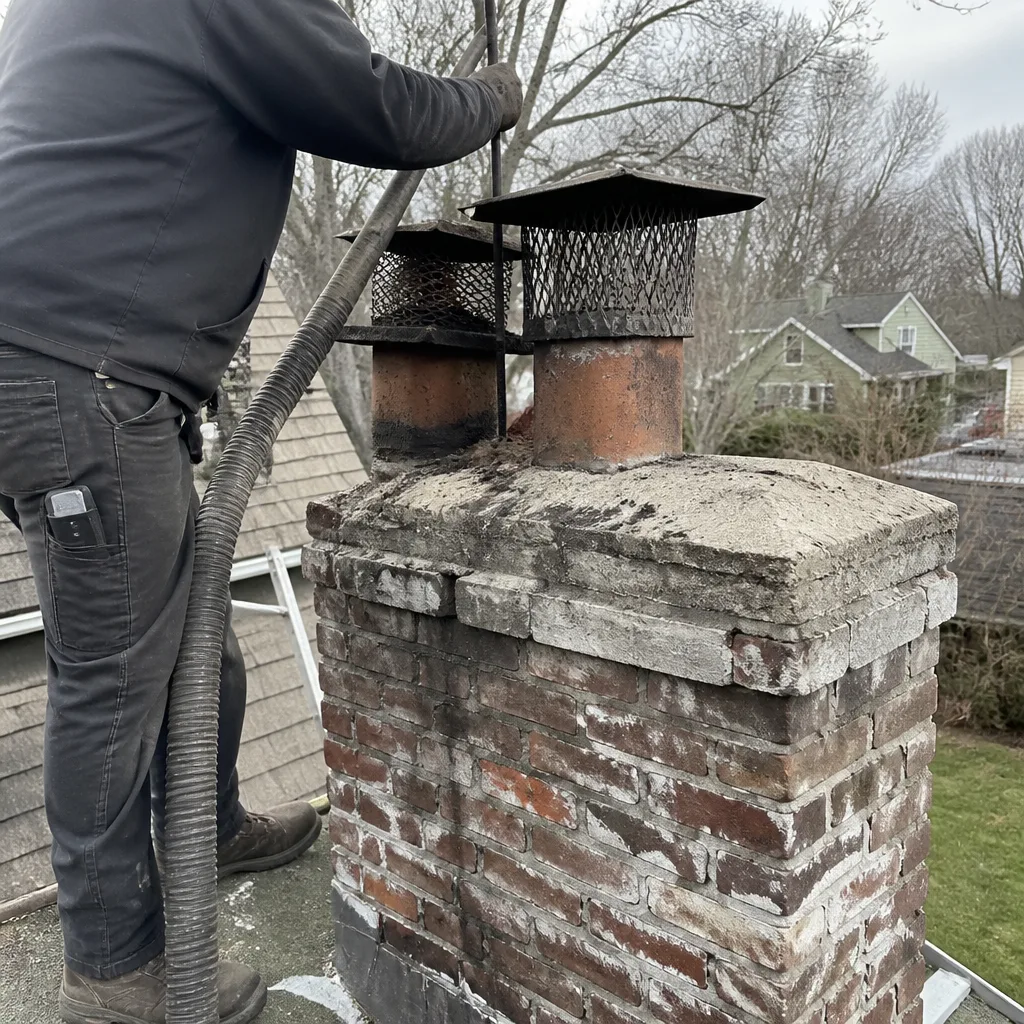 Before
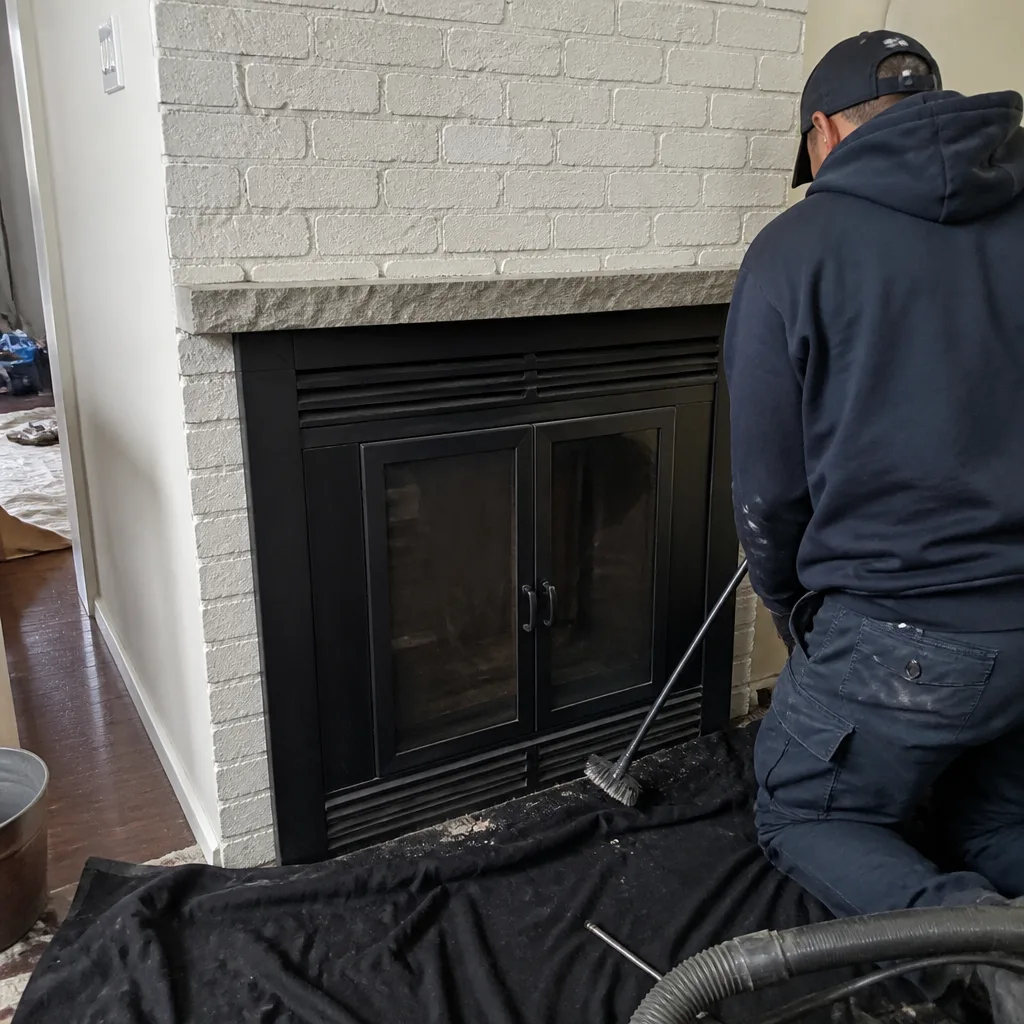 After
After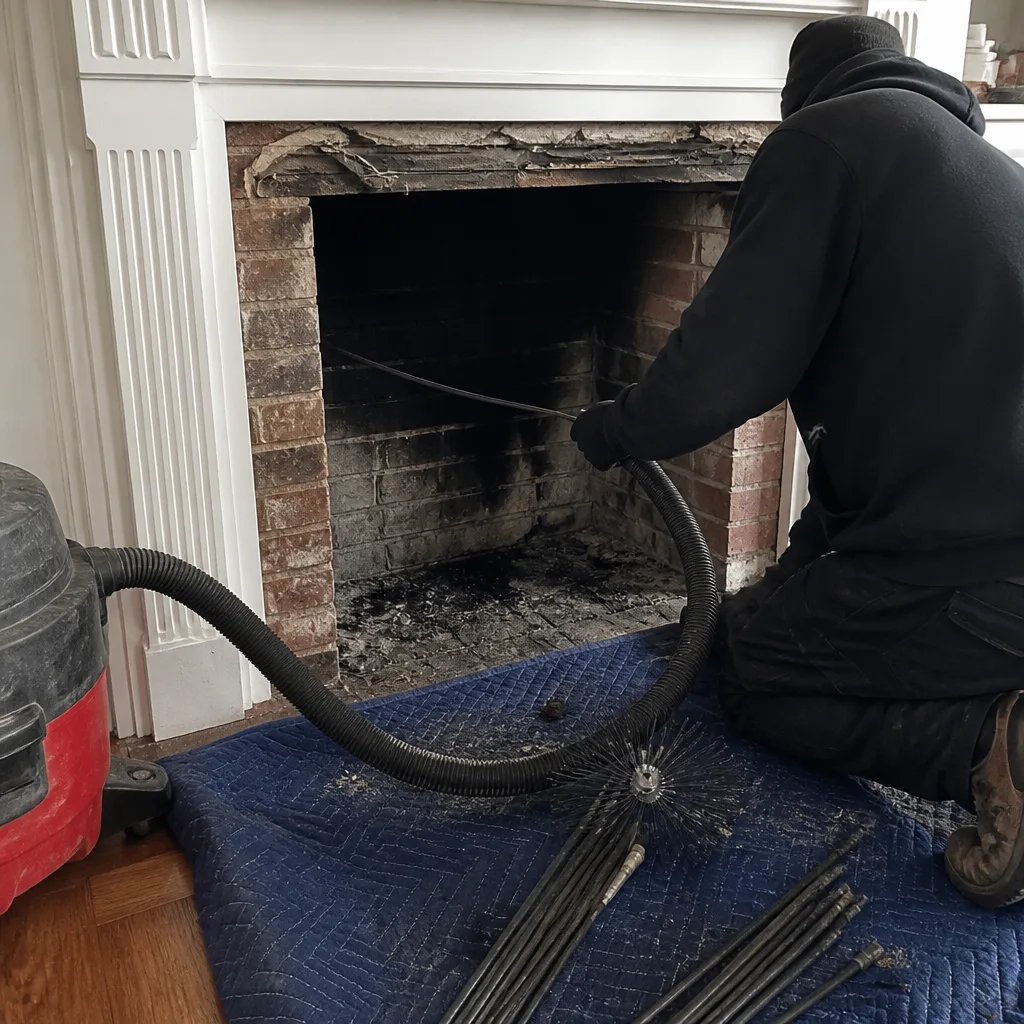 Before
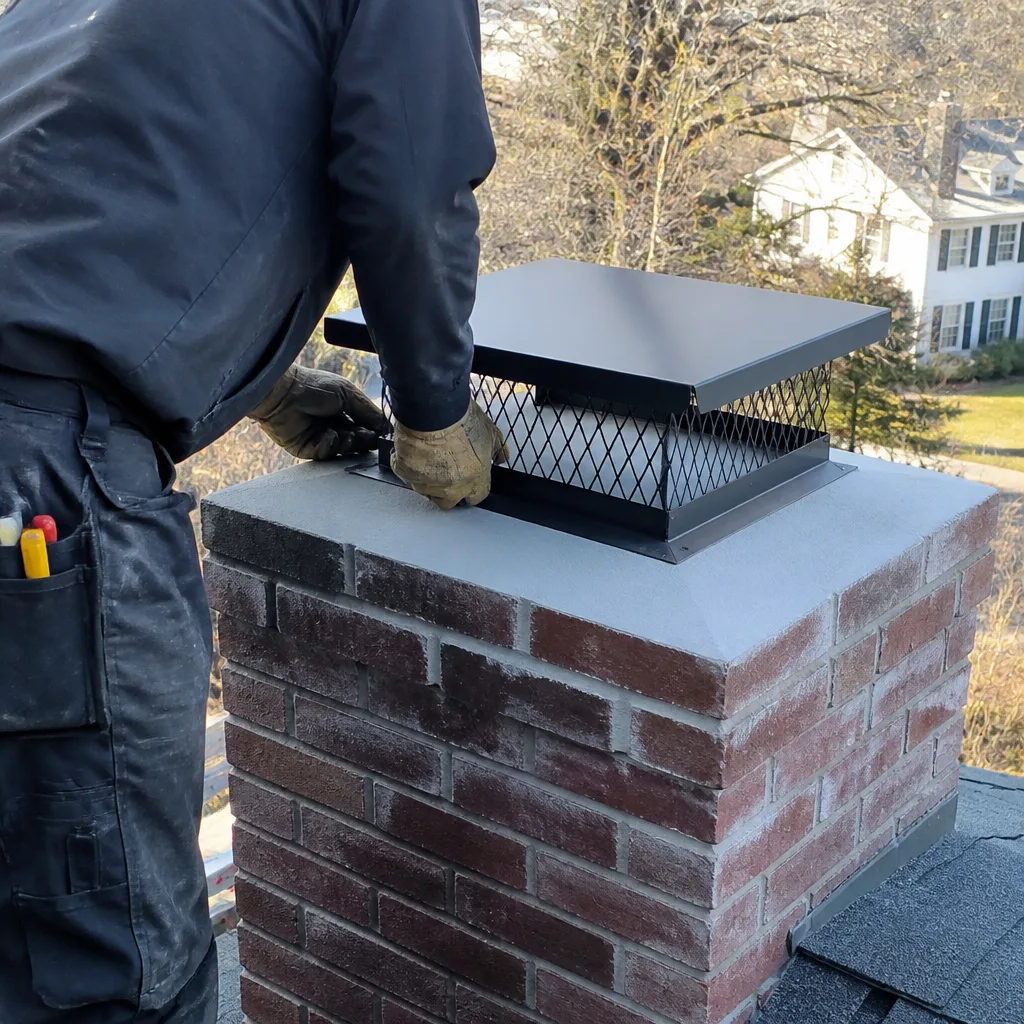 After
AfterHow to Hire a Chimney Cleaning Contractor in Rye: A Step-by-Step Guide
Most homeowners in Rye don’t realize that chimney sweeping in New York is not a licensed trade the way plumbing or electrical work is. Anyone with a van and a brush can print business cards and call themselves a chimney sweep, which means the burden falls entirely on you to figure out who actually knows what they’re doing. This guide walks you through the vetting process step by step, from verifying a CSIA certification number to reading reviews like an investigator, so you can hire with confidence and avoid the bait-and-switch patterns that run through this industry. For more guides & resources on chimney care, see our blog.
Quick Answer
To hire a chimney cleaning contractor in Rye, verify their CSIA certification number directly on the CSIA website, confirm they’re locally owned and owner-operated (not a franchise dispatcher), and insist on a written estimate that names the exact scope of work, the inspection level, and what happens if they find something unexpected. You should also ask who answers the phone, what the guarantee covers in writing, and whether the crew on your roof is the same crew whose name is on the truck. A legitimate Rye sweep will answer these questions without hesitation; someone who hedges is telling you something.
Table of Contents
- Why Rye Chimneys Need a Different Kind of Attention
- The Licensing Gap: Why “Certified” Means Something Only When It’s Verifiable
- Step 1: Verify the CSIA Certification Number (90 Seconds That Eliminates Most Problems)
- Step 2: Spot the Bait-and-Switch Pricing Pattern Before It Reaches Your Door
- Step 3: Demand a Written Estimate That Covers These Four Things
- Step 4: Read Reviews Like an Investigator, Not a Customer
- Step 5: Ask Why Owner-Operated Matters (And What It Says About Accountability)
- Common Mistakes to Avoid
- When to Call a Professional
- Frequently Asked Questions
- The Bottom Line
Why Rye Chimneys Need a Different Kind of Attention
Rye sits on Long Island Sound, which means our chimneys take a beating from salt air, nor’easter-driven rain, and freeze-thaw cycles that work their way into mortar joints all winter. Homes here range from 1920s colonials with unlined flues to newer builds with prefab systems, and the age of the chimney dictates entirely different cleaning protocols. A sweep who treats every chimney the same way is the first red flag. The salt air in Rye accelerates spalling on brick and crown deterioration, so a cleaning here should always include a close look at the cap, crown, and flashing, not just the flue interior. We’ve been working these streets since 1999, and the chimneys in the Greenhaven and Milton Point neighborhoods behave differently than those up in Harrison or over in Mamaroneck. Your sweep should know that.
Then there’s usage. Rye homeowners burn more wood than you’d think for a coastal suburb, especially in older homes with working fireplaces that get used from November through March. That’s five months of creosote accumulation, and creosote in a salt-air climate cures differently than it does inland. It can be drier, flakier, and more likely to form hot spots. Your flue doesn’t care how the fire looks. It cares how it breathes. A proper Rye chimney cleaning accounts for the climate, the house age, and the burn season, not just the date on a calendar. See our Seasonal Chimney Cleaning Care for Rye: Year-Round Homeowner’s Guide for a month-by-month breakdown.
The Licensing Gap: Why “Certified” Means Something Only When It’s Verifiable
Here’s the thing that surprises most homeowners when they start calling around: there is no New York State chimney sweep license. For what regulations do apply, read our guide to Chimney Cleaning Permits, Codes & Inspections in NY: What You Need to Know. Plumbers are licensed. Electricians are licensed. Chimney sweeps are not. What exists instead is a voluntary certification through the Chimney Safety Institute of America (CSIA), which requires training, testing, and continuing education. A responsible sweep in Rye will have it. A fly-by-night operator won’t, or will claim to have “certification” without telling you from whom.
This gap is exactly why the credential on a website may mean everything or nothing. Some companies list “certified” because a technician once took a weekend seminar. Others hold a genuine CSIA certification that you can verify in under two minutes. The difference matters because the CSIA certification is the only widely recognized credential in this trade, and it’s the one the Chimney Cleaning & Sweep in Rye process should start with. When a company is legitimate, they’ll hand you their certification number without blinking. When they hesitate, you’ve learned something.
Step 1: Verify the CSIA Certification Number (90 Seconds That Eliminates Most Problems)
The single fastest way to separate a legitimate Rye chimney sweep from someone who bought a brush and a website is to verify the CSIA number. Here’s the process, and it takes about ninety seconds:
- Ask the company for the full name and certification number of the sweep who will do the work. Not the company name. The individual.
- Go to the CSIA website and use their “Find a Certified Sweep” lookup tool.
- Enter the name and number exactly as provided.
- Confirm that the certification is current, not expired. Certifications lapse if the sweep doesn’t complete continuing education.
- If the name or number doesn’t come up, ask why. There is no good answer.
In our experience, this step alone eliminates a meaningful percentage of the operators working Rye and surrounding Westchester County. Wendell Pike has been certified since before most of the franchise crews currently canvassing the area were incorporated. He’ll give you his number on the phone and won’t be offended that you checked. A sweep who gets defensive about verification is a sweep to skip.
Step 2: Spot the Bait-and-Switch Pricing Pattern Before It Reaches Your Door
The national franchise model that operates throughout Westchester County works like this: a call center quotes you $99 to clean your chimney, sight unseen. The technician arrives, spends twenty minutes looking around, and informs you that your chimney is a “deterioration risk” that needs a $4,000 liner, a $2,500 crown rebuild, and a $600 waterproofing treatment, all before he’ll touch the actual cleaning. The $99 was never the price. It was the cost of getting someone in your door.
Here are the questions that expose this pattern before anyone enters your home:
- “Is the price you’re quoting me the full price for a standard cleaning, or is it a diagnostic fee?” If they can’t answer directly, hang up.
- “Will the technician who arrives be authorized to do the cleaning at the quoted price without ‘finding’ additional work first?” Listen for a pause.
- “What does your written estimate look like?” If they don’t have one or say they’ll “write something up when they get there,” that’s the pattern.
- “Who do I call if I’m unhappy with the work?” If the answer is a corporate office in another state, you’re not talking to a local Rye sweep.
Top Hat Chimney has always worked differently: the number you hear on the phone is the number on the invoice. Wendell gives upfront pricing before a single tool comes off the truck, and if the job turns out to be more complicated than expected, you hear about it before work proceeds, not after. The work in Rye is competitive enough that no legitimate sweep needs to lure you in with a fake number.
Step 3: Demand a Written Estimate That Covers These Four Things
A real estimate is a contract, not a number scrawled on a carbon form. Before you book any chimney cleaning in Rye, make sure the written estimate contains all of the following:
- Scope of work: Exactly what will be done. “Chimney cleaning” should mean a full flue sweep, not a visual wave. The estimate should specify the chimney being serviced (if you have multiple flues), the access method (roof or interior), and whether the firebox is included.
- Inspection level: A Level 1 inspection is standard with every cleaning. Level 2 is required when you’ve had a change in fuel type, a real estate transaction, or a chimney fire. The estimate should say which level you’re getting and what it includes.
- What happens if they find something unexpected: This is the part that separates honest operations from upsell machines. The estimate should state plainly that no additional work proceeds without your written approval and that camera evidence will be shown to you before any recommendation is made.
- Guarantee language: Where does the guarantee live, in writing? What does it cover? For how long? A sweep who offers a 90-Day Done Right Promise and stamps it on every job is telling you something about how they feel about their work. A sweep with no guarantee language is telling you something too.
We write all of this into our estimates at Top Hat Chimney home because we’ve heard too many Rye homeowners describe experiences where the “estimate” was a verbal shrug and the final bill was a surprise. The camera footage and a plain-English verdict, every time, no exceptions. That’s the standard.
Step 4: Read Reviews Like an Investigator, Not a Customer
Most people read reviews the way they read restaurant recommendations: skim the star rating and move on. That’s a mistake in this trade. The reviews that matter are the ones with detail, and the absence of detail is itself a signal. Here’s what to look for when you’re vetting a Rye chimney sweep:
- Vague five-star reviews with no specifics: “Great service, would hire again” tells you nothing. A real review mentions what was done, how long it took, what the place looked like afterward. When every review is generic, ask yourself where they came from.
- Responses to negative reviews that deflect rather than resolve: When a company responds to a complaint by blaming the customer, the weather, or “miscommunication,” that’s the culture. When they respond by owning the problem and describing the fix, that’s a company you can work with.
- No reviews older than two years: A local Rye operation with twenty-five years of history should have review history to match. A wall of reviews that all appeared in the last eighteen months suggests either a new company or a rebrand, and you should ask which.
- Reviews that mention the same name repeatedly: When people keep naming the same sweep, that’s owner-operator consistency. When reviewers describe a rotating cast of technicians with no named individual, that’s a dispatch model with less accountability.
Ask anyone on your street. In Rye, word travels. The sweep who did your neighbor’s chimney last fall and left drop cloths and a clean hearth is the sweep you want. The reviews that matter are the ones your neighbors can tell you in person.
Step 5: Ask Why Owner-Operated Matters (And What It Says About Accountability)
When the person answering the phone is also the person on your roof, accountability is built in. Wendell has been working these same communities since 1999 and runs into you again on Saturday at the hardware store or the bagel shop. That’s a different relationship than a dispatcher in a call center three states away who will never see your house, your chimney, or the inside of your fireplace.
Owner-operated matters in this trade for three specific reasons:
- Consistency: The sweep who cleans your chimney in Rye this year will likely be the same sweep who cleans it next year. He’ll remember that your flue tends to accumulate creosote faster on the north side, or that your cap has a small dent that should be watched. That institutional memory is worth something.
- Accountability: When the owner’s name is on the truck and the estimate, the work has to stand behind itself. There’s no passing the buck to a “technician” who has since been reassigned. One call brings Wendell back, and the 90-Day Done Right Promise means exactly what it says: if it’s not done right, we make it right, in writing, on every single job.
- Local knowledge: Rye chimneys have specific failure patterns. The salt air, the age of the housing stock, the way certain neighborhoods were built. A franchise crew that rotates through four counties in a week doesn’t know that the chimney on your 1927 colonial likely has an original terra cotta liner that needs a particular kind of attention. Wendell does.
For Chimney Repair in Rye, this matters even more. When a repair is recommended, you want the person making the recommendation to have seen ten thousand chimneys in this specific climate, not a generalist running a checklist from a corporate playbook.
What a Good Chimney Cleaning Actually Includes (So You Know What You’re Paying For)
A legitimate chimney cleaning in Rye is not just running a brush up the flue. When a sweep does the job properly, here’s the sequence:
- Interior setup: Drop cloths around the fireplace, a vacuum with a HEPA filter to contain dust, and a check that the damper opens and closes correctly before work begins.
- Visual inspection of the firebox and smoke chamber: Looking for cracked brick, damaged refractory panels, or signs of water intrusion that would change the cleaning approach.
- The sweep itself: Properly sized brushes appropriate for the flue type. Clay tile flues get different treatment than stainless liners. This is not a one-brush-fits-all trade.
- Creosote assessment: First-degree creosote is a brush job. Third-degree is a glaze and may require chemical treatment or rotary cleaning. The sweep should be able to tell you what you have and what it means.
- Cap, crown, and flashing check: In Rye’s salt air, the top of the chimney often tells you more than the inside. A crown that’s developing hairline cracks is a problem you want to catch before water gets into the flue and the freeze-thaw cycle does its work.
- Post-sweep inspection: A final look to confirm the flue is clean, the damper works, and the firebox is tidy. You should be able to light a fire that same evening without dust raining down.
This is the minimum standard. If your Rye sweep does less than this, they’re not doing a cleaning; they’re doing a courtesy pass. For Fireplace Services in Rye, the same standard applies: the firebox, damper, and surrounding masonry should all be addressed, not just the flue.
What Rye Homeowners Should Know About Chimney Repair Recommendations
Here’s a reality that doesn’t get said enough: not every chimney that gets flagged for repair actually needs it. The repair recommendation is where the unscrupulous operators make their margin, and Rye homeowners are attractive targets because the housing stock is valuable and the owners tend to be diligent about maintenance. That diligence is exactly what gets exploited.
What you should expect from a legitimate sweep recommending repair work:
- Camera evidence shown to you directly: Not a verbal description. Not a photo the technician “has on his phone from another job.” Actual footage from your chimney, walked through with you in plain English. At Top Hat Chimney, this is non-negotiable: nothing is recommended without camera evidence you can see.
- A plain-English explanation of the consequence of waiting: Some repairs are urgent. A cracked flue tile that could allow sparks into the framing is urgent. A crown with minor spalling that could wait a season is not. A sweep who treats every recommendation as an emergency is selling fear, not service.
- A clear statement of when work can wait: Wendell will tell you plainly when a repair can safely be deferred. It’s not uncommon for him to clean a chimney, show the homeowner a minor issue on camera, and say, “This is fine for this season. Let’s look at it again next spring.” That’s the honest word that builds trust in this town.
When repairs are needed, Top Hat Chimney works with trusted industry materials: DuraFlex liners for relining jobs, HeatShield for flue restoration, and Olympia Chimney components for caps and crowns. These are the brands reputable sweeps use because they’re tested and warrantied, and we stand behind them with the same 90-Day Done Right Promise that applies to every job we do.
Common Mistakes to Avoid
- Hiring on price alone. The $99 cleaning advertised by the national franchises operating in Westchester County is a door-opener. The number you hear on the phone is the number on the invoice when you work with a legitimate Rye sweep; anything less than transparent is a setup.
- Skipping the CSIA verification. Ninety seconds on the CSIA website eliminates most bad actors before they ever see your fireplace. It’s the single highest-value step in the entire hiring process.
- Approving repair work without seeing camera evidence. If a sweep tells you the flue is cracked but can’t show you the crack, do not approve the work. The camera footage and a plain-English verdict are the standard, every time, no exceptions.
- Not asking about guarantee language. If there’s no written guarantee, there’s no guarantee. The 90-Day Done Right Promise exists because work occasionally needs to be revisited, and a sweep who won’t put that in writing isn’t standing behind the job.
- Assuming all “certified” claims are equal. “Certified” means nothing without a name and a number you can verify. Ask for both.
- Waiting until the first cold snap to book. Every Rye sweep worth hiring is booked solid by mid-October. Once a year, burn or no burn. Chimneys break in the off-season too, and the best time to schedule is spring or summer when you can get on the calendar without the rush.
- Ignoring the off-season. Water damage from Rye’s salt air and freeze-thaw cycles accumulates when the chimney isn’t in use. Blocked flues and cracked crowns don’t announce themselves. An annual check catches them early.
When to Call a Professional
If you haven’t had your chimney cleaned in over a year, call. If you’ve been through a real estate transaction and the sellers couldn’t produce a recent sweep record, call. If you smell something musty or acrid when the weather shifts, call. If you’ve had a chimney fire that went out on its own, call immediately, because the flue may have sustained damage that won’t be visible from the ground. And if you’re simply not sure, call anyway. Top Hat Chimney offers free estimates in Rye, and Wendell will tell you plainly whether you need a cleaning now, soon, or next season. Call (914) 685-6096.
Frequently Asked Questions
In the Rye and Westchester County market, a standard chimney cleaning from a legitimate owner-operated sweep typically runs $200 to $400 depending on flue condition, access difficulty, and whether additional flues are involved. For full pricing details, see our Chimney Cleaning Cost Breakdown: The Rye Homeowner’s Reference for 2026. Be wary of quotes below $150, which are almost always door-opener pricing designed to create an upsell opportunity. Call (914) 685-6096 for an exact quote, and the number you hear is the number on the invoice.
Once a year, burn or no burn. Chimneys break in the off-season too. Rye’s salt air and freeze-thaw cycles work on the masonry year-round, and a chimney that sits unused for eight months still collects debris, moisture, and sometimes animal nests. An annual cleaning with a Level 1 inspection is the baseline for any wood-burning fireplace in this climate.
Not necessarily. A liner recommendation should always be accompanied by camera footage showing the specific damage, which you can see and evaluate yourself. A legitimate sweep will show you the video, explain what it means in plain English, and tell you whether the repair can wait. Never approve liner work on a verbal description alone, and always get a second opinion if a franchise technician gives you a five-figure estimate on a first visit.
The CSIA certification confirms that an individual sweep has completed standardized training on chimney and venting system inspection, cleaning, and safety, and is keeping their knowledge current through continuing education. It’s a voluntary credential that requires testing and renewal, and you can verify any certification number directly on the CSIA website in about ninety seconds.
Creosote accumulates in the flue with every burn, and creosote is the fuel for chimney fires. Beyond the fire risk, a dirty or blocked flue can push carbon monoxide back into the house, and Rye’s coastal moisture accelerates masonry deterioration that hides until it’s expensive. The cost of a cleaning is small compared to the cost of a reline or a crown rebuild.
Cleaning a chimney from the roof of a multi-story Rye home is genuinely dangerous work, and the interior methods available to homeowners don’t address the full flue length effectively. We recommend a trained professional for any actual cleaning. What you can do is check the firebox for obvious debris before your first burn of the season, and have a CO detector operating on every floor. Beyond that, call a professional. The roof work is not worth the risk.
The Bottom Line
Hiring a chimney cleaning contractor in Rye doesn’t have to be a gamble, but it does require asking the right questions and verifying what you’re told. Check the CSIA number. Demand a written estimate with a defined scope, an inspection level, a process for unexpected findings, and a written guarantee. Read reviews for detail, not just stars. And prioritize an owner-operated local sweep who will be around next year and the year after. Wendell Pike founded Top Hat Chimney in 1999 and has been serving Rye and the surrounding communities ever since. The phone is answered by a live person around the clock, and the estimate is free. Call (914) 685-6096 and get the straight answer.
Written by Wendell Pike, Owner at Top Hat Chimney, serving Rye since 1999.