
Last updated September 10, 2026
Level 1 sweep and inspection to the NFPA 211 annual standard - flue, crown, cap, and flashing checked and photographed
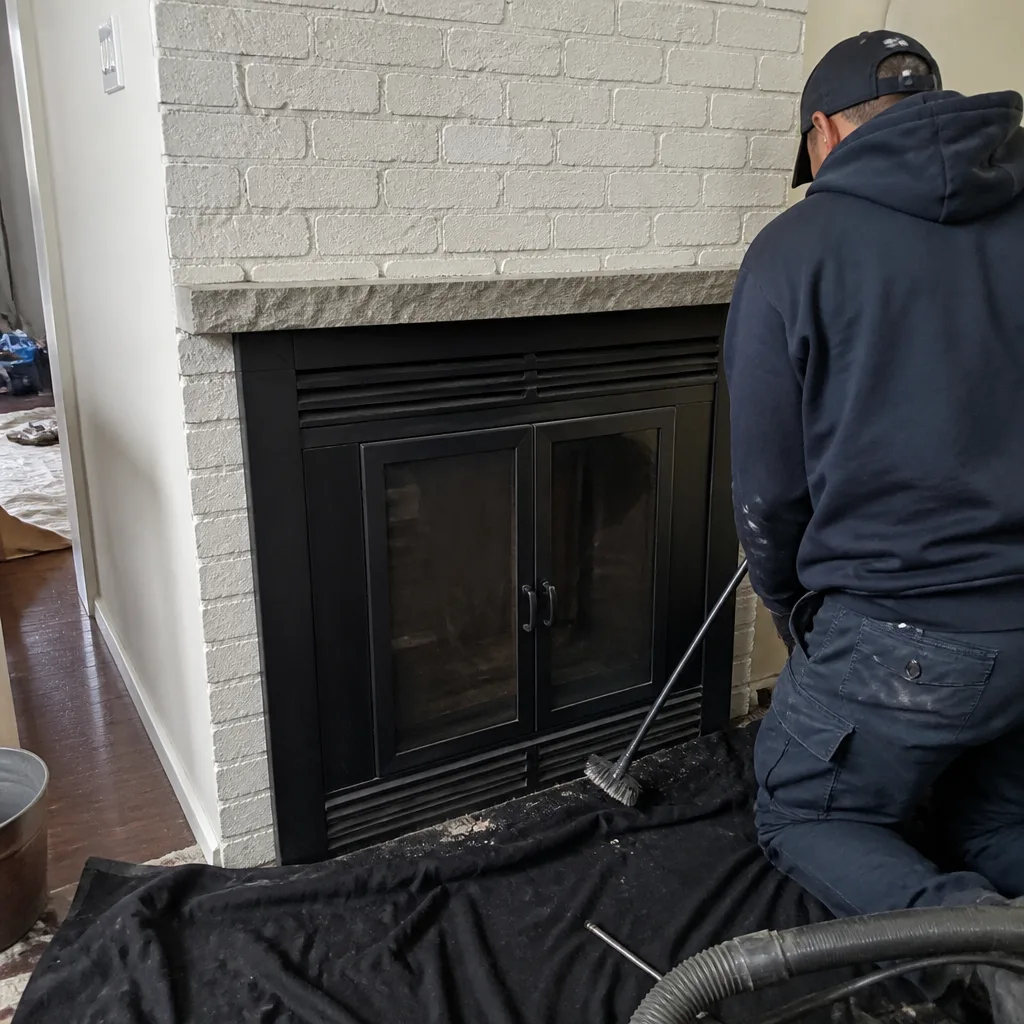
Chimney sweep logs do not sweep chimneys. They loosen some creosote - which then falls where a brush and vacuum still have to collect it.
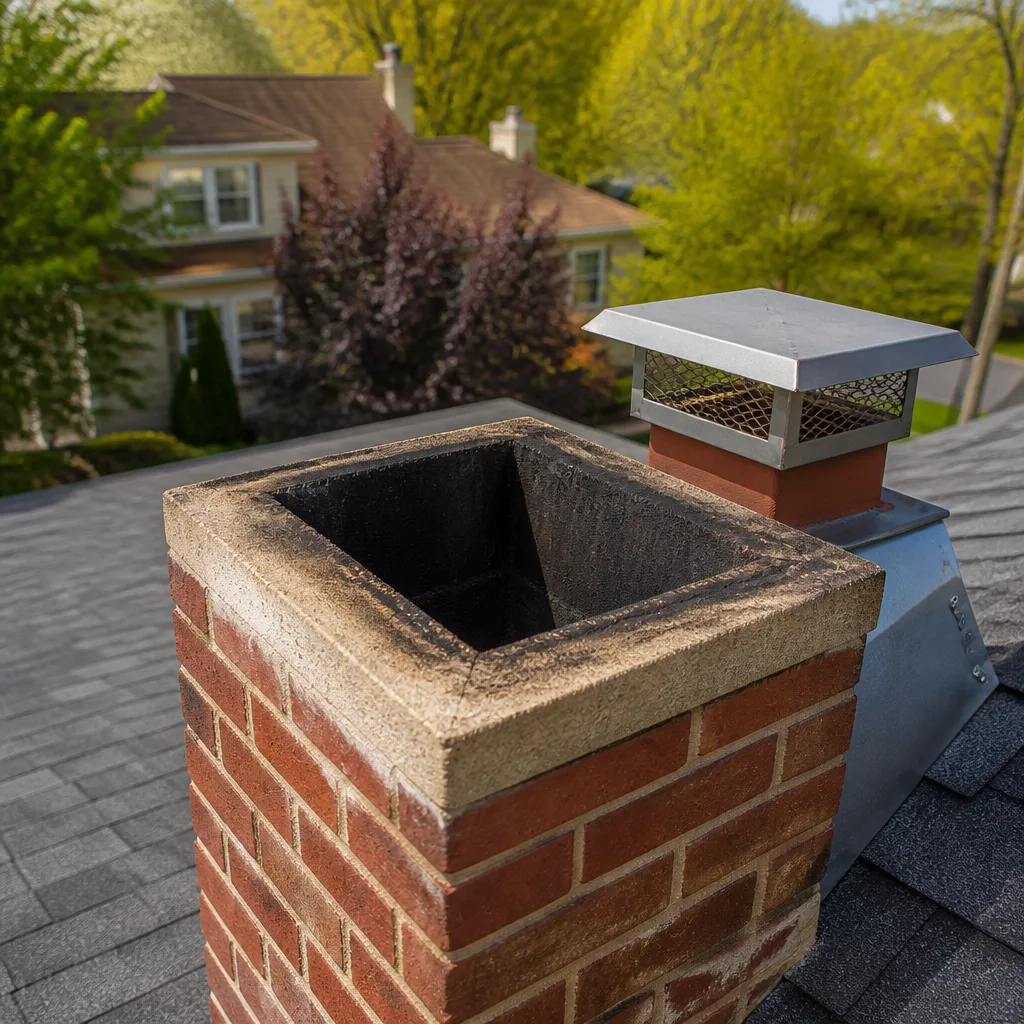
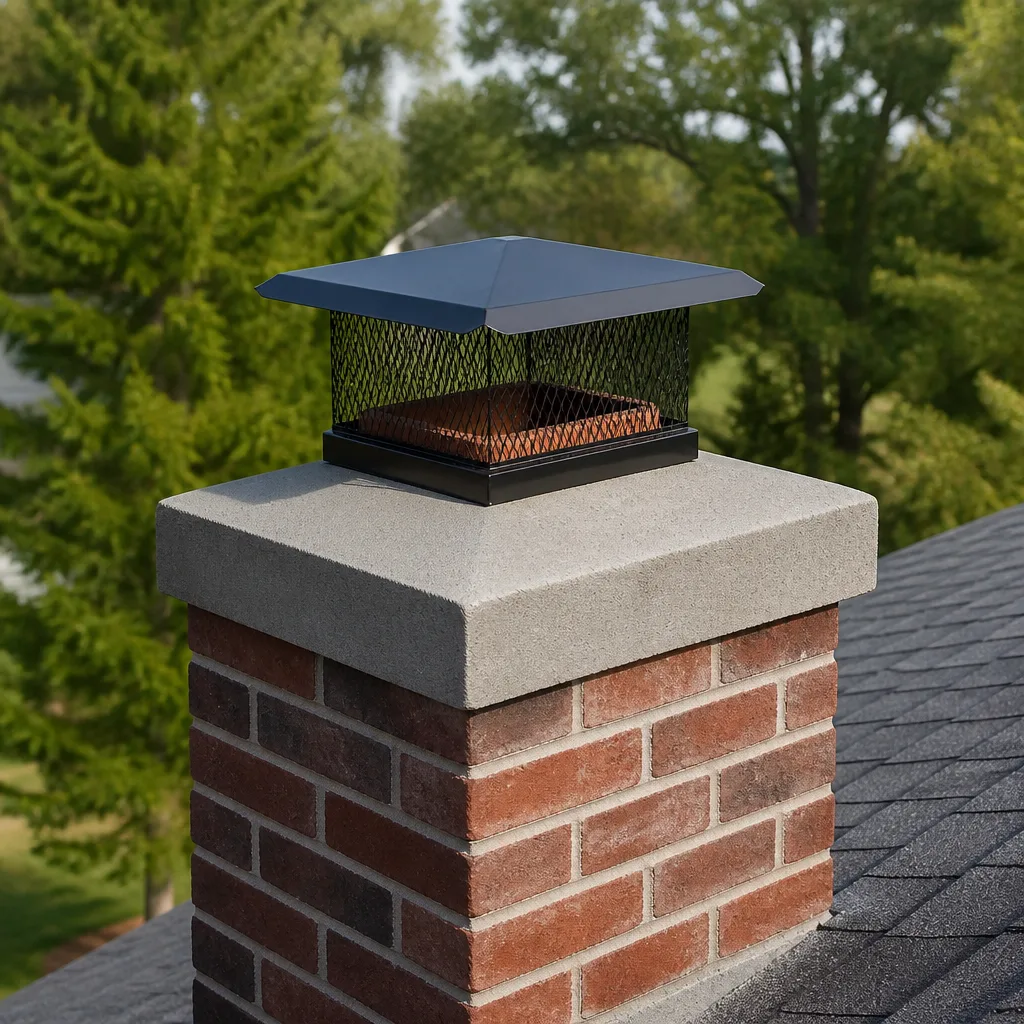
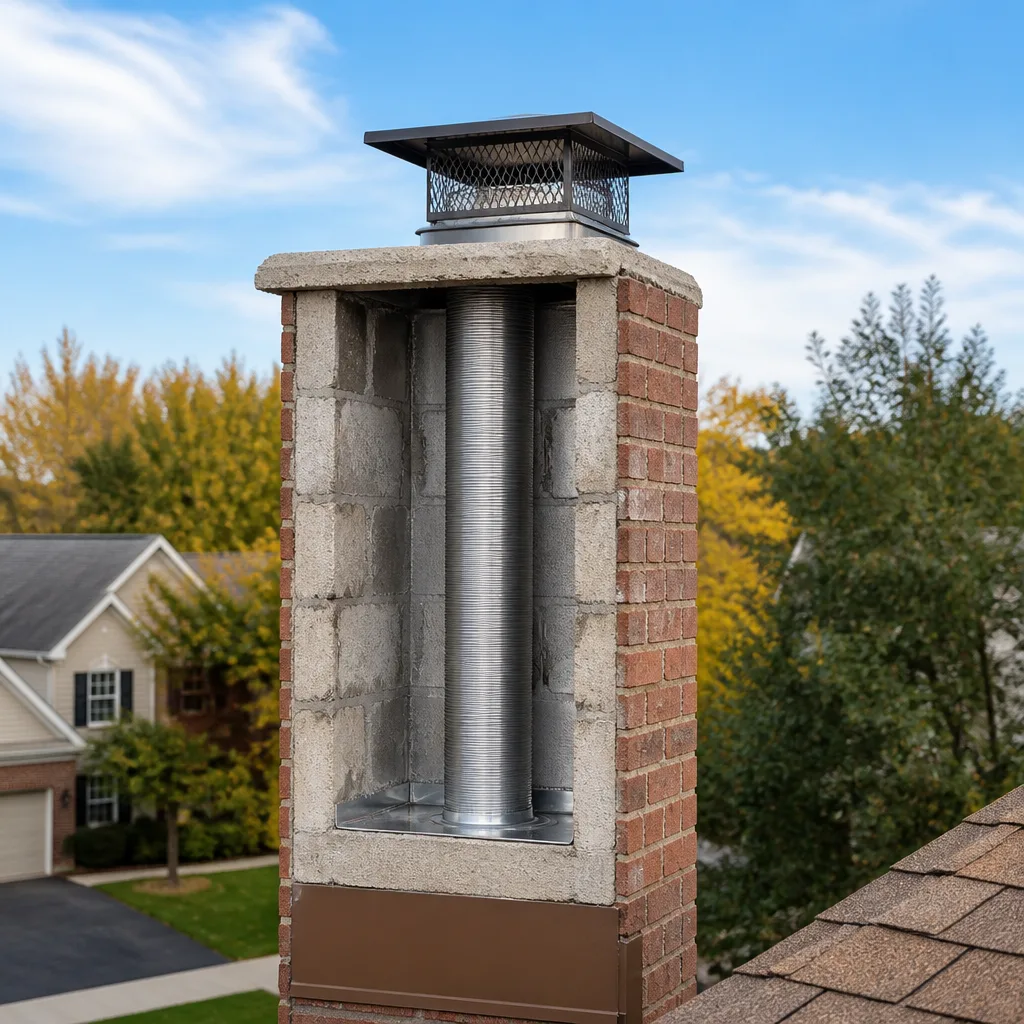
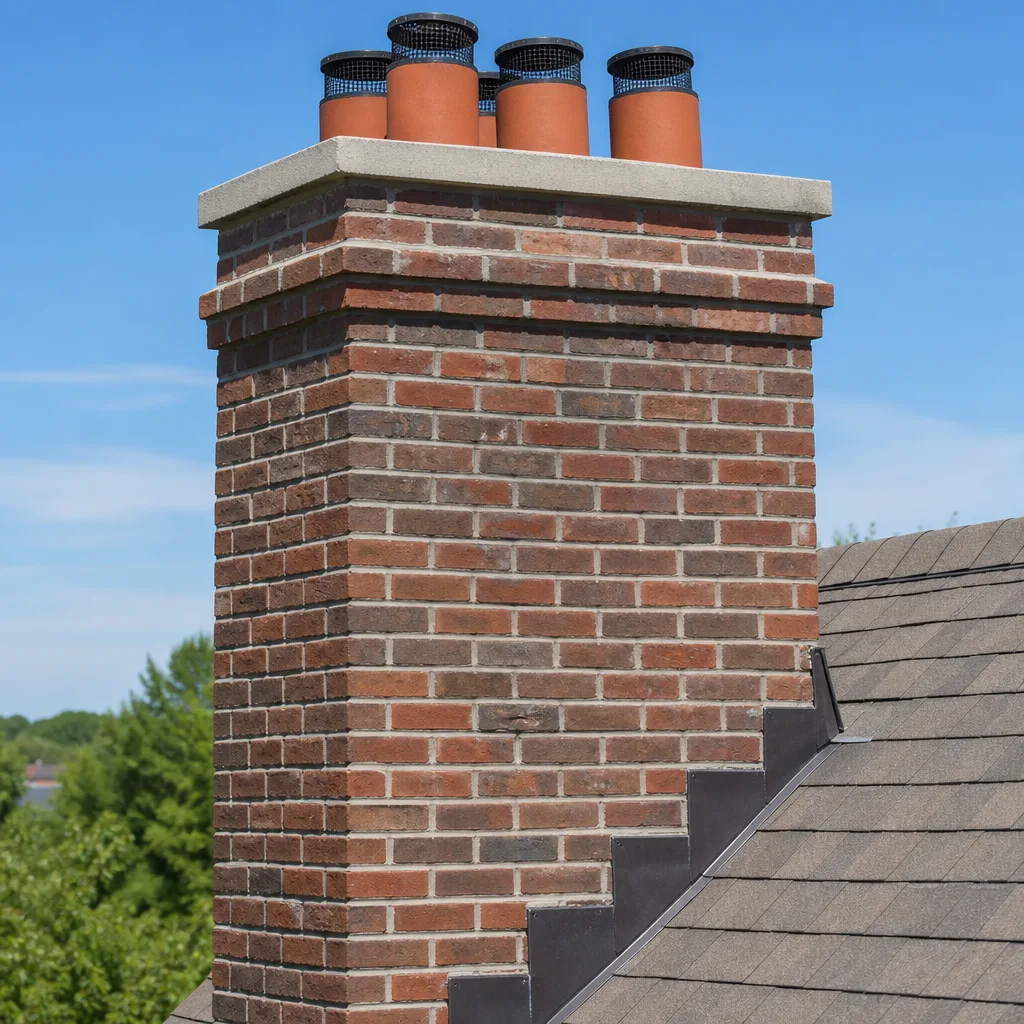
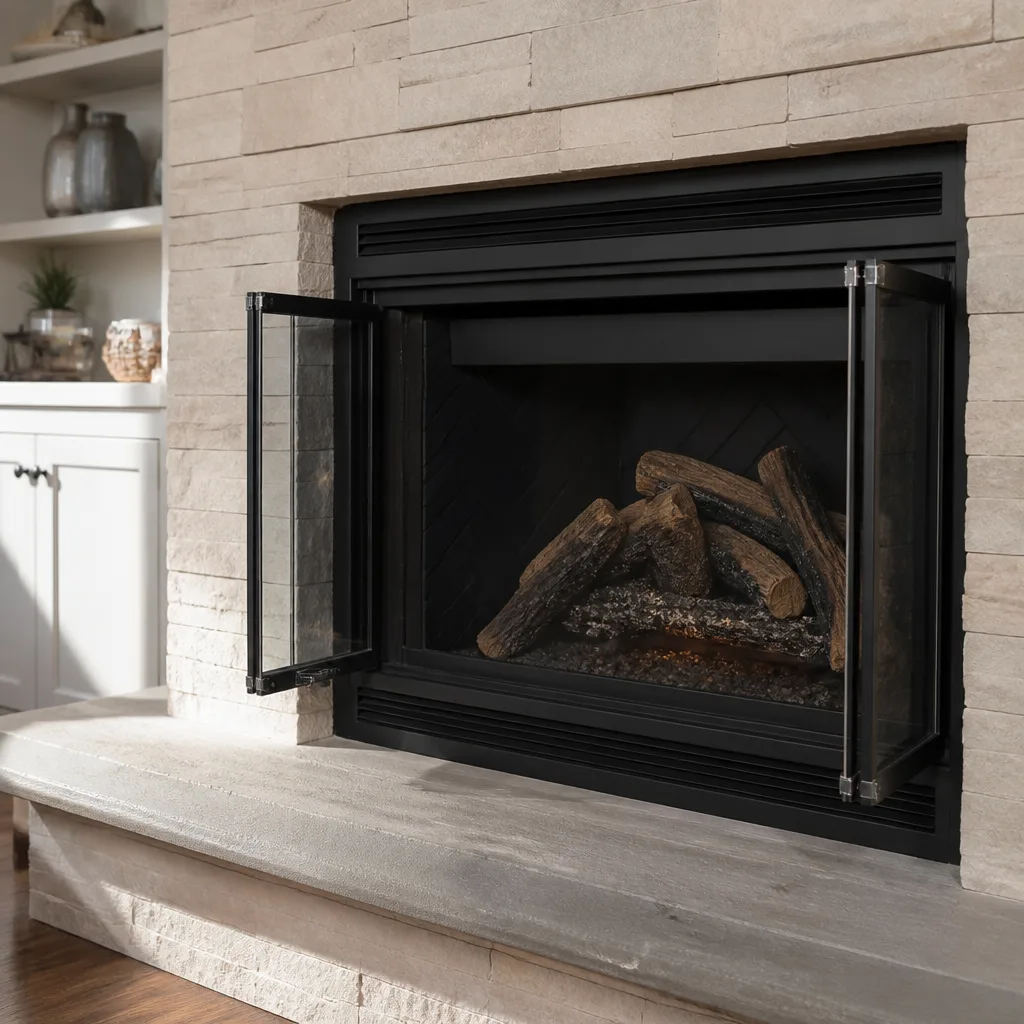
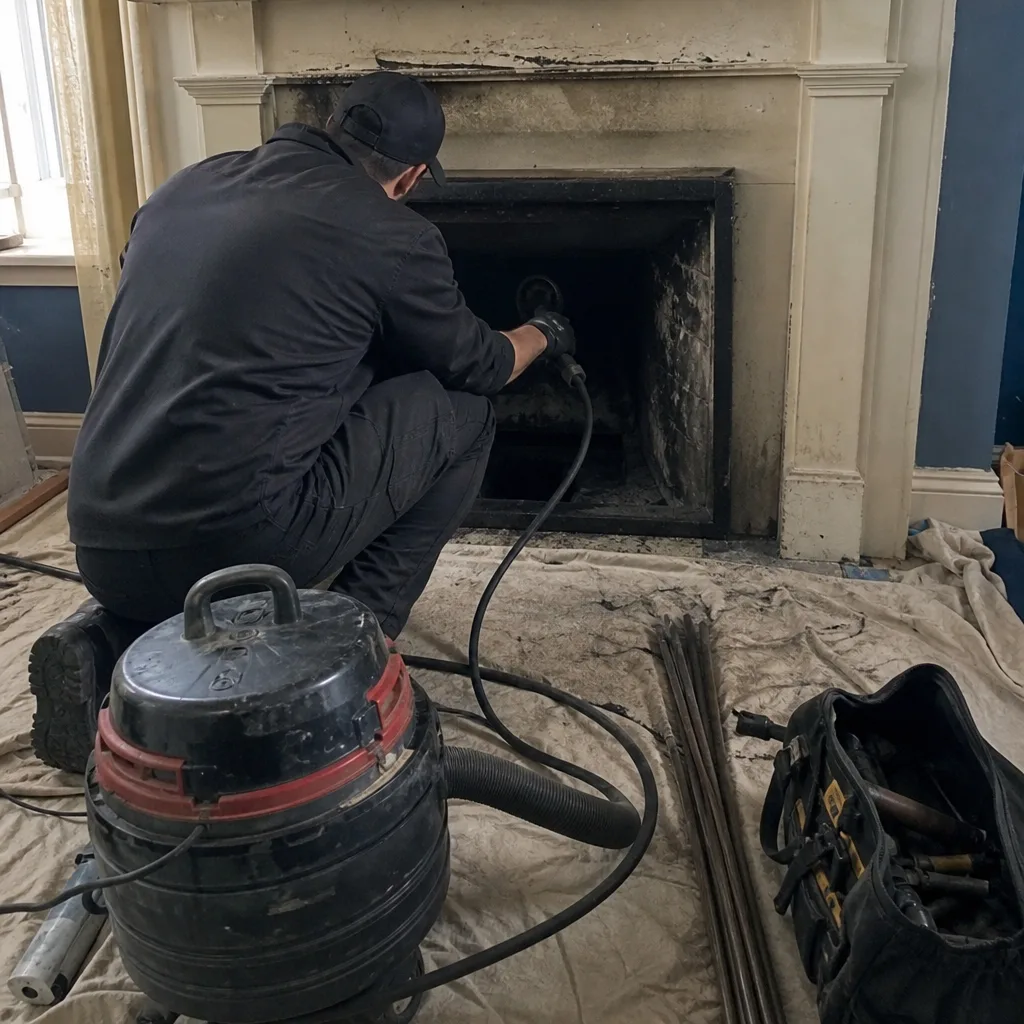 Before
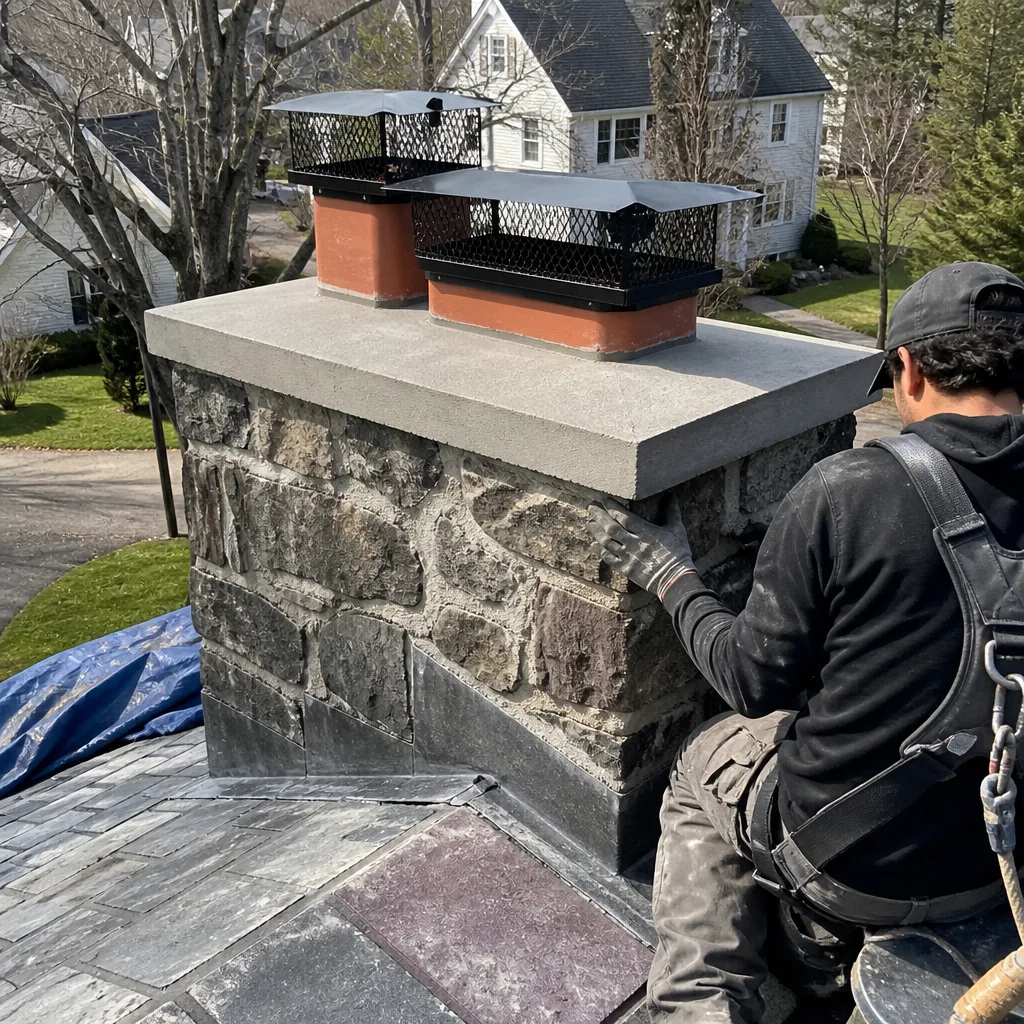 After
After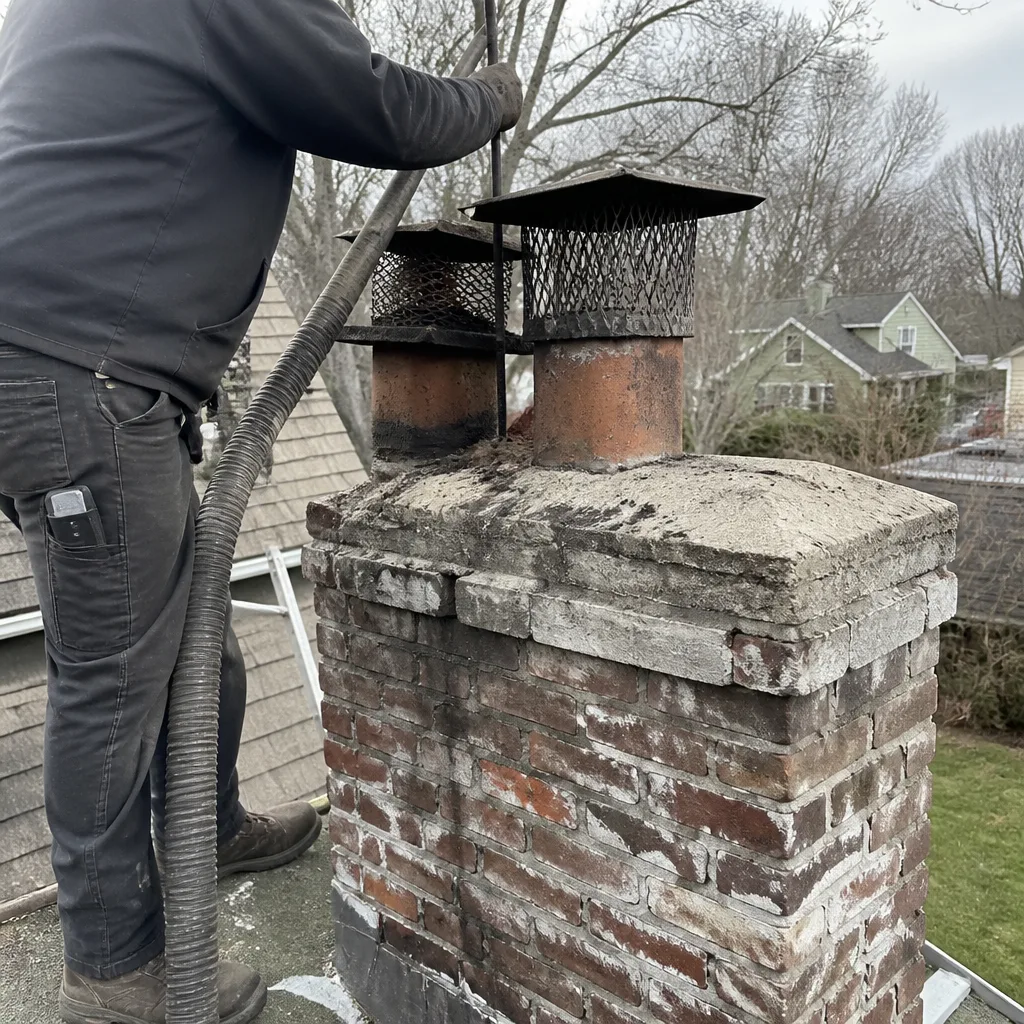 Before
 After
After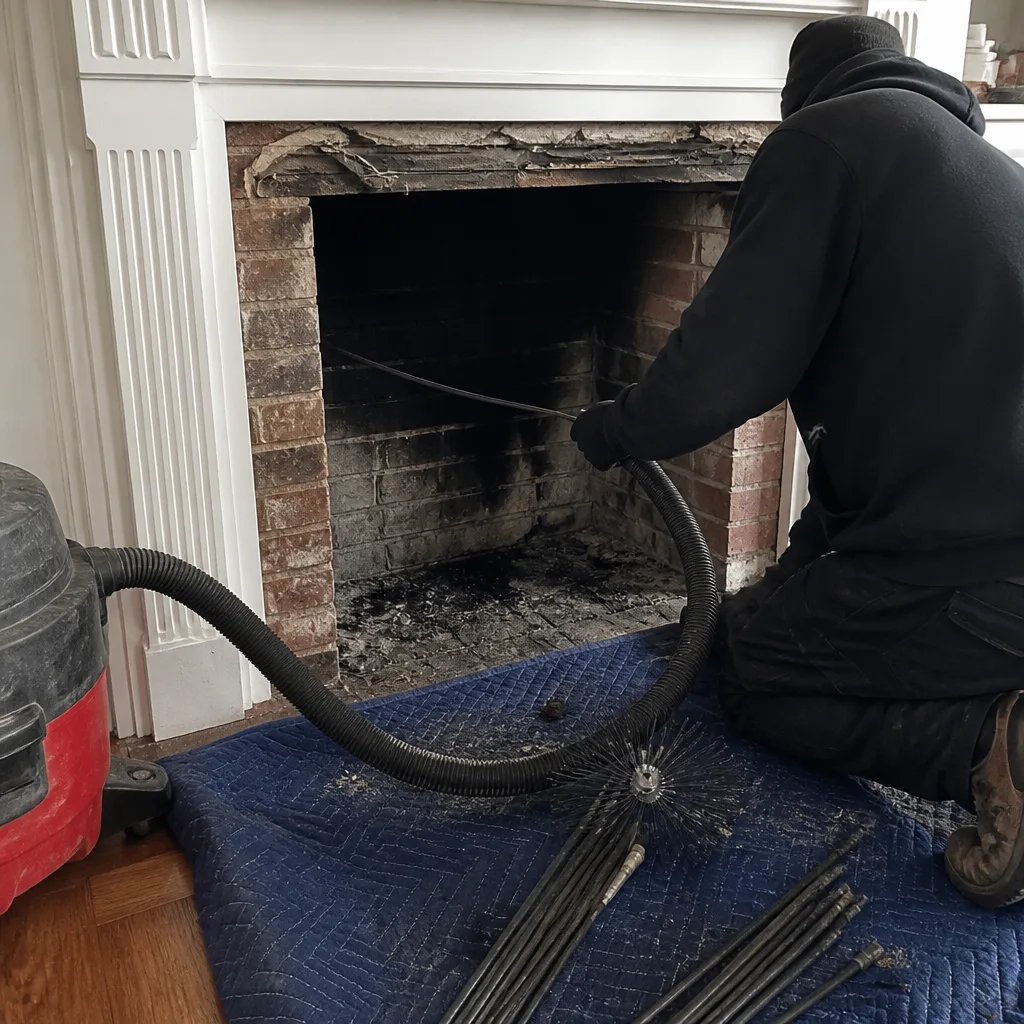 Before
 After
AfterChimney Cleaning & Sweep Maintenance Checklist for Rye Homeowners
Most chimney checklists handed out by sweeping companies are sales brochures in disguise. They list fifteen things “only a certified professional can evaluate” and end with a phone number. This one is different. There are six things a Rye homeowner can check from inside the house, no ladder, no tools, that will tell you more about your chimney’s actual condition than most phone consultations will. By the time you finish reading, you’ll know what’s normal, what’s worth watching, and what genuinely needs a sweep’s attention before you burn another log. And you’ll know it the way we know it, after 29 years of looking inside chimneys across Rye and Westchester County.
Quick Answer
A Rye homeowner should inspect their chimney three times a year: before the first fall fire, once mid-winter, and again after the last spring burn. The core checks are the damper test, a visual scan of the firebox, an exterior look at the masonry and flashing, and a confirmation that the cap is in place. If anything looks off, call a sweep for a camera inspection before burning again: (914) 685-6096.
Table of Contents
- Fall Pre-Season Checklist: Before the First Fire
- The Damper Test: What Your Damper Tells You Before Anyone Shows Up
- Winter Mid-Use Check: What to Watch While You’re Burning
- Spring Post-Season Check: After the Last Fire
- Exterior Masonry Checks from the Ground: What Rye’s Freeze-Thaw Cycle Does to Brick
- What to Record Between Cleanings (And Why Your Log Matters)
- Items That Should Be on Every Rye Checklist (But Never Are)
- Common Mistakes to Avoid
- When to Call a Professional
- Frequently Asked Questions
Fall Pre-Season Checklist: Before the First Fire
In Rye, the first cold snap usually arrives in late October. That’s when most homeowners remember the chimney exists. But the smart move is to check things in September, before the burning season starts and before every sweep’s calendar fills up. Here’s what to do, in order, before the first fire of the season.
- Open the damper fully. If it sticks, creaks, or won’t stay open, that’s a mechanical issue worth noting before you light anything. A damper that doesn’t seal when closed wastes heat all winter.
- Look up into the flue with a flashlight. You won’t see much from the firebox angle, but in Rye’s older homes with shallow fireboxes, you can often spot the first foot or two of flue tile. Look for black, shiny glaze on the tile walls. That’s third-degree creosote, not a brush job.
- Check the firebox floor and walls. Cracked firebrick, missing mortar joints, or a firebox floor that’s shifted out of place means heat is getting where it shouldn’t.
- Smell the firebox before you burn. On a humid day in Rye, a strong creosote smell inside the house often means buildup is heavy enough to be drawing moisture. Light buildup smells faint. Heavy buildup smells like a damp campfire.
- Verify the chimney cap is in place. If you can see daylight through the top of the flue from the ground, the cap may be missing. In Rye, where squirrels and raccoons are common in older neighborhoods like Greenhaven and the areas near the Marshlands Conservancy, an uncapped flue is an open invitation.
- Test your carbon monoxide detector. This isn’t optional. A blocked flue or a cracked liner can push carbon monoxide into the house. Test the detector before burning season and replace batteries if it’s been more than six months.
If you find anything in the first five checks that gives you pause, call before you burn. The cost of a chimney cleaning and sweep in Rye is a fraction of what a chimney fire costs in repair work.
The Damper Test: What Your Damper Tells You Before Anyone Shows Up
The damper is the one part of your chimney you interact with directly, and it’s the most honest reporter in the system. Here’s how to read it.
Step one: Open it and listen. A damper that opens smoothly and stays open is doing its job. A damper that grinds, sticks, or falls shut means the mechanism is worn. On older Rye colonials with original dampers from the 1950s and 60s, this is common. It’s not an emergency, but it should be on your list for the next sweep visit.
Step two: Feel for a draft. With the damper open on a cool day, you should feel a slight downward draft from the flue. That’s the chimney drawing air. No draft means an obstruction, a closed top-sealing damper you forgot about, or a flue that’s too cold to draw. All three are easily diagnosed with a camera inspection.
Step three: Smell. With the damper open, stand close to the firebox and breathe in through your nose. A faint, dry, woody smell is normal. A sharp, acrid, tar-like smell means creosote buildup is significant. A musty smell means moisture is getting in somewhere, usually through a cracked crown or loose flashing.
Step four: Close the damper and check for light. If you can see light around the edges of a closed damper, the seal is worn. In winter, that’s a steady leak of heated house air up the flue. Some Rye homeowners report the leak as a cold draft near the fireplace even when the damper is “closed.” It’s one of the most overlooked causes of high heating bills in older homes.
The damper test takes five minutes and costs nothing. Do it in September, again in January, and once more in April after the last fire. What you feel and smell will tell you more about your chimney’s condition than any phone consultation can.
Winter Mid-Use Check: What to Watch While You’re Burning
Once burning season is underway in Rye, the chimney is under load. Here’s what to watch during January and February, when fires are most frequent.
- Smoke rollback into the room. When you open the fireplace doors or the fire dies down, does smoke drift into the living room instead of up the flue? That’s a draft problem. It can be caused by a cold flue, a partially blocked chimney, or a house that’s too tightly sealed to supply combustion air.
- A lazy, smoky fire. If a fully open damper and dry wood still produce a fire that smolders and smokes, the flue may be too cool. Cold flues don’t draw. This is common in Rye’s newer, tightly insulated homes where the chimney is an exterior wall installation.
- Popping or crackling sounds inside the flue. Logs crackle. Chimneys shouldn’t. A popping sound from inside the flue often means creosote is igniting in small amounts, the early warning of a chimney fire.
- Creosote drips or flakes in the firebox. If black, tar-like drips appear on the firebox walls after burning, the flue is running too cool for the fuel you’re using. Creosote in the firebox means more of it is stuck to the flue walls above.
- Soot stains above the fireplace opening. A dark smudge on the wall or mantle above the fireplace means smoke is escaping intermittently. It’s a draft issue, not a cosmetic one.
- Any smell of smoke in rooms far from the fireplace. Smoke smell in an upstairs bedroom while a fire burns downstairs is a sign the flue isn’t containing or venting combustion gases properly. Shut the fire down and get an inspection.
During the winter, the chimney is working hardest. A fireplace service visit in Rye mid-season is cheaper than waiting for a full chimney repair in Rye in March.
Spring Post-Season Check: After the Last Fire
Once a year, burn or no burn. Chimneys break in the off-season too. Rye’s damp springs and humid summers are harder on a chimney than most winters are. Here’s the post-season routine.
- Let the firebox cool completely, then vacuum it out. Ash is acidic. Left in the firebox over a Rye summer, it absorbs moisture from the air and sits against the firebrick, eating at the mortar. A simple vacuuming in April extends the life of the firebox.
- Look again at the firebrick and mortar joints. The heating season is over, which means the thermal expansion and contraction cycle has ended. Hairline cracks that weren’t there in September are now visible. Note them.
- Check the damper one more time. Close it for the summer. Does it seal? If the same minor issues from fall are still there, they haven’t fixed themselves. Add them to the list for the next sweep.
- Inspect the chimney crown from the ground. With binoculars, look at the concrete slab at the top of the chimney. Rye’s freeze-thaw cycle, which swings from wet winters to hot summers, punishes crowns. Cracks that started as hairlines in winter are now wide enough to hold water by May.
- Schedule your annual sweep now. Most Rye homeowners wait until September, and sweeps book solid through November. Booking a spring or summer cleaning means you walk into burning season with a clean flue and no scramble.
The off-season is when moisture does its worst work. A chimney that runs fine all winter can develop a leak in May that goes unnoticed until the first October fire pushes moisture into the house.
Exterior Masonry Checks from the Ground: What Rye’s Freeze-Thaw Cycle Does to Brick
You don’t need a ladder to assess most of a Rye chimney’s exterior condition. A pair of binoculars and ten minutes in the yard will do it. Here’s what you’re looking for, and what each sign means.
Spalling. Spalling is when the face of a brick pops off, leaving a roughened, recessed surface. It happens when moisture inside the brick freezes and expands. Rye’s winters bring enough freeze-thaw cycles to make spalling one of the most common masonry issues on chimneys in the area. Spalled brick is weaker brick. If you see it, note which side of the chimney it’s on. South and west faces, which get the most rain and sun, usually fail first.
Efflorescence. That’s the white, chalky powder that appears on brick. It’s not just cosmetic. Efflorescence means water is moving through the masonry and depositing salts on the surface. A little is normal on an older Rye chimney. A lot, especially if it reappears after cleaning, means the chimney is absorbing much more water than it should.
Mortar joint erosion. Run the binoculars along the horizontal and vertical joints between bricks. In many older Rye homes, especially the colonials built from the 1920s through the 1950s, the original mortar is lime-based and softer than the modern stuff. Decades of rain, wind, and freeze-thaw have washed out joints to a depth of half an inch or more. If you can see deep shadow lines in the joints from the ground, the mortar is failing.
Leaning or separation. Step back and look at the chimney as a whole. Is it straight? A chimney that leans even slightly, or that shows a gap where it meets the house, is a structural problem, not a masonry touch-up. In Rye’s older homes with fieldstone foundations, minor settling is common, but chimney separation from the house needs a professional look.
Flashing condition. Flashing is the metal strip where the chimney meets the roofline. From the ground, look for rust, lifted edges, or visible gaps. Flashing is the single most common leak point on a Rye chimney, and it fails quietly. A roof that leaks only in heavy rain, directly around the chimney, is usually a flashing problem.
Every one of these exterior signs tells you something about what’s happening inside the chimney too. Water that finds its way into the masonry will find its way to the flue liner, the damper, and the firebox.
What to Record Between Cleanings (And Why Your Log Matters)
Between annual cleanings, keep a simple written log. This isn’t busywork. The information in your log is exactly what a good sweep needs to see, and it’s exactly what a homeowner who’s been quoted an expensive repair can use to verify whether that repair is legitimate.
Here’s what to record:
- Fuel type. Are you burning seasoned hardwood, softwood, manufactured logs, or a mix? Different fuels produce different creosote profiles. Softwood and unseasoned wood burn cooler and create more creosote. Seasoned oak and maple burn hotter and cleaner.
- Approximate amount burned. This doesn’t need to be exact. “About two cords of mixed hardwood, November through March” is useful. A homeowner who burns every weekend from October through April has a different creosote profile than one who burns a fire every other Sunday.
- Any unusual smells. Did the fireplace smell different in February than it did in November? A new, acrid smell mid-season is a sign that creosote is building faster than expected.
- Smoke rollback incidents. If smoke spilled into the room on a particular burn, note the date and conditions. Was it windy? Was the fire just starting? Did it happen when the furnace kicked on? Patterns matter.
- Any exterior changes. Did a piece of brick fall onto the lawn? Did the cap start leaning after a storm? Note it when you see it.
- Damper behavior. Sticky? Grinding? Won’t stay open? These are all data points.
The reason this log matters is simple. When you call a sweep and describe your chimney’s history in specific terms, you sound like someone who knows their house. When the sweep arrives and sees a homeowner with a year of recorded observations, the conversation changes from a sales pitch to a diagnosis. And the camera footage and a plain-English verdict, every time, no exceptions, become the standard, not the exception.
Wendell and his crew have worked in enough Rye homes to know that the homeowners who keep logs are the ones who get the longest life out of their chimneys and the fewest surprises on inspection day.
Items That Should Be on Every Rye Checklist (But Never Are)
Some of the most important chimney issues never make it onto standard DIY checklists because most checklists are written by people who want to keep things simple. Here’s what they leave off.
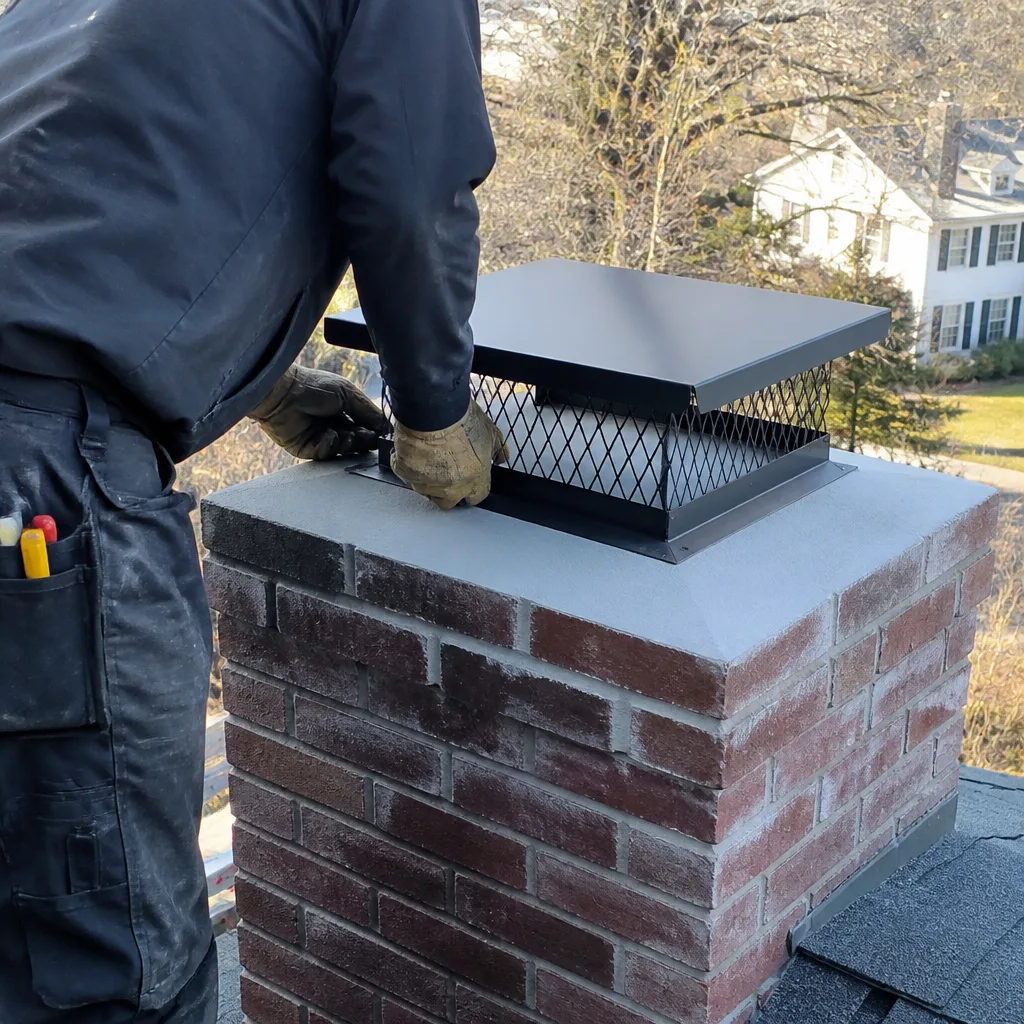
Chimney cap condition. Most checklists say “make sure you have a cap.” That’s not enough. Look at the cap’s condition. Is the mesh intact? Are the screens rusted through? A cap with a torn screen keeps out nothing but rain. In Rye, where squirrels, raccoons, and chimney swifts are all common, a damaged cap is as good as no cap. A properly installed cap also serves as a spark arrestor, which matters more than most people realize.
Animal entry points. This is the one that surprises Rye homeowners every year. Squirrels get in through cap gaps. Raccoons tear at damaged flashing. Birds nest on smoke shelves. The signs, from the ground, are scratching sounds, nesting material falling into the firebox, or a cap that’s visibly shifted. Any of these is a signal that an animal has been in the flue or on the chimney. Animal intrusion brings debris, which restricts draft and creates a fire hazard.
Flashing separation specific to older colonials. Rye is full of colonial-style homes, many of them built before modern flashing materials existed. The original flashing on these homes is often copper, which lasts a long time, or galvanized steel, which doesn’t. Galvanized flashing rusts, lifts, and separates from the masonry. From the ground with binoculars, look for visible gaps between the flashing and the brick, or a line of rust running down the roof below the chimney. Both are signs the flashing has failed.
Interior creosote glaze. Standard checklists talk about creosote buildup, but they rarely distinguish between first-degree creosote, which is a brush job, and third-degree creosote, which is a glaze. First-degree creosote is soft, sooty, and brushes off easily. Third-degree creosote is a hard, shiny, tar-like coating that requires specialized tools and sometimes chemical treatment. You can’t see the difference from the firebox. That’s why the camera inspection matters. It’s also why a homeowner should never accept a “cleaning” quote without knowing what kind of creosote is actually inside the flue.
Cap, crown, and chase cover interplay. The cap sits on the flue tile. The crown is the concrete slab that caps the masonry. On some Rye homes, especially newer construction with factory-built chimneys, there’s a metal chase cover instead. Each of these three elements can fail independently, and a failure in any one of them lets water into the system. A checklist that says “check the cap” is missing two of the three water entry points.
These five items are the ones we write into our own Top Hat Chimney home inspection notes every time we work on a Rye chimney. They’re the difference between a chimney that lasts twenty years and one that needs a rebuild in ten.
Common Mistakes to Avoid
- Burning unseasoned wood. Green or wet wood burns cool and produces creosote at a rate that surprises most Rye homeowners. Wood should be split and stacked under cover for at least six months, ideally twelve, before burning.
- Closing the damper too soon. The damper stays open until the fire is completely out and the embers are cold. Closing it early traps smoke and combustion gases in the house, including carbon monoxide.
- Skipping the annual inspection because the fireplace “works fine.” A fireplace can work fine for years while creosote builds, flashing rusts, and masonry absorbs water. By the time the problem announces itself, it’s a bigger repair.
- Trusting a phone quote from a company that hasn’t seen the chimney. Any sweep who quotes a cleaning price over the phone without looking at the flue first is guessing. Upfront pricing is different from blind pricing. The number you hear on the phone should be the number on the invoice, but the sweep should also tell you that the final scope depends on what the camera shows.
- Ignoring small masonry issues. A single spalled brick or a hairline crack in the crown seems minor. Water doesn’t think so. In Rye’s freeze-thaw cycle, a small crack becomes a big one in one winter.
- Burning manufactured logs as if they’re identical to wood. Manufactured logs burn differently and leave different residues. Follow the manufacturer’s instructions, and don’t burn more than one at a time unless the label says otherwise.
When to Call a Professional
Some things on this checklist you can handle yourself. The damper test, the firebox check, the exterior binoculars look, the log book. All of those are homeowner work. But some findings mean it’s time to call someone who does this every day. If you see glossy, tar-like creosote inside the flue, call. If your damper won’t stay open or won’t seal, call. If you notice smoke rollback, popping sounds in the flue, or a smell of smoke in rooms away from the fireplace, call. If you see spalling brick, significant efflorescence, or flashing separation, call. And if an animal has been in the chimney, call before you burn again. Top Hat Chimney offers our Chimney Cleaning & Sweep services with free estimates in Rye. Call (914) 685-6096 and Wendell or his crew will come out and look.
Frequently Asked Questions
Once a year, burn or no burn. The National Fire Protection Association standard is that chimneys should be inspected annually and cleaned when creosote buildup reaches 1/8 inch. In Rye, where the burning season runs from October through April, most homeowners who burn regularly need an annual cleaning. If you burn only occasionally, every other year may be enough, but the annual inspection is still the smart line to hold. Call (914) 685-6096 to schedule an inspection and get a straight answer on whether cleaning is actually needed this year.
A standard chimney cleaning and sweep in Rye typically runs between $200 and $400, depending on the flue size, creosote condition, and whether the chimney has any accessibility challenges. A camera inspection, which is worth its weight in certainty, often adds a modest fee but is included in some cleaning packages. The key is getting the number before the work starts. Top Hat Chimney gives no-hassle upfront pricing before a single tool comes off the truck. For an exact quote, call (914) 685-6096.
Sometimes you do, and sometimes you don’t. The only way to know is to look at the liner with a camera. A cracked clay tile liner in an older Rye home is a legitimate safety issue. A stainless liner advertised as “necessary” on a chimney that shows only light creosote buildup is not. That’s why we show every Rye homeowner the camera footage and a plain-English verdict, every time, no exceptions. If the liner is cracked, you’ll see it. If it isn’t, you’ll see that too. Call (914) 685-6096 for a free second opinion on any liner quote you’ve received.
Creosote builds up, moisture finds its way in through unnoticed cracks, and the chimney deteriorates faster than it would otherwise. The worst case is a chimney fire, which can crack the liner and spread to the house. The quiet case is slower: years of accumulated creosote trap moisture against the flue tiles, accelerating their decline. Most Rye homeowners who skip cleanings end up paying for a bigger repair later, not saving money. Call (914) 685-6096 and get on the schedule before the fall rush.
First-degree creosote is a soft, sooty, dusty deposit that brushes off with standard sweeping tools. Third-degree creosote is a hard, shiny, tar-like glaze that forms when the flue runs too cool for the fuel being burned. Third-degree creosote is both harder to remove and more flammable. It usually requires specialized tools or chemical treatment, and it’s one of the reasons a standard “cleaning” quote may not cover what’s actually in the flue. A camera inspection settles it before the brush goes up.
Yes, and you should. The damper test, the firebox check, and the ground-level exterior inspection with binoculars will tell you more than you’d expect. What they won’t tell you is the condition of the flue liner above the firebox, which is where most creosote accumulates and most cracks occur. For that, you need a camera inspection. Top Hat Chimney brings the camera on every Rye sweep visit, so you’re never guessing about what’s inside.
The Bottom Line
A chimney checklist should make you a more informed homeowner, not a more anxious one. The point of everything in this guide is to help you walk into any sweep appointment knowing what you’re looking at and what’s normal. Rye’s older homes have chimneys that need honest, regular attention, not scare tactics. If you follow the seasonal routine, keep the log, and get an annual inspection, your chimney will serve you for decades. And when you want someone to look at it, Wendell Pike and the crew at Top Hat Chimney will give it to you straight, camera footage included. Call (914) 685-6096 for a free estimate.
Written by Wendell Pike, Owner at Top Hat Chimney, serving Rye since 1999.