
Last updated September 10, 2026
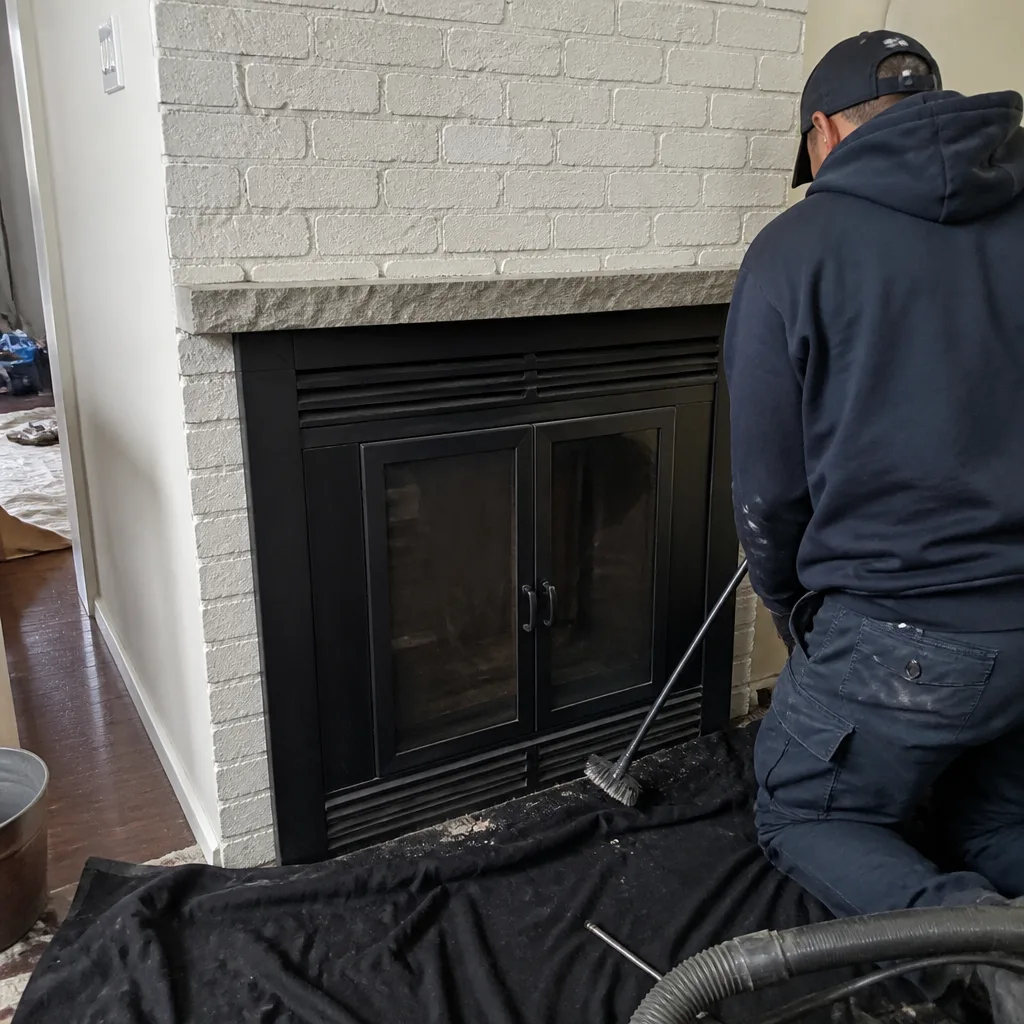
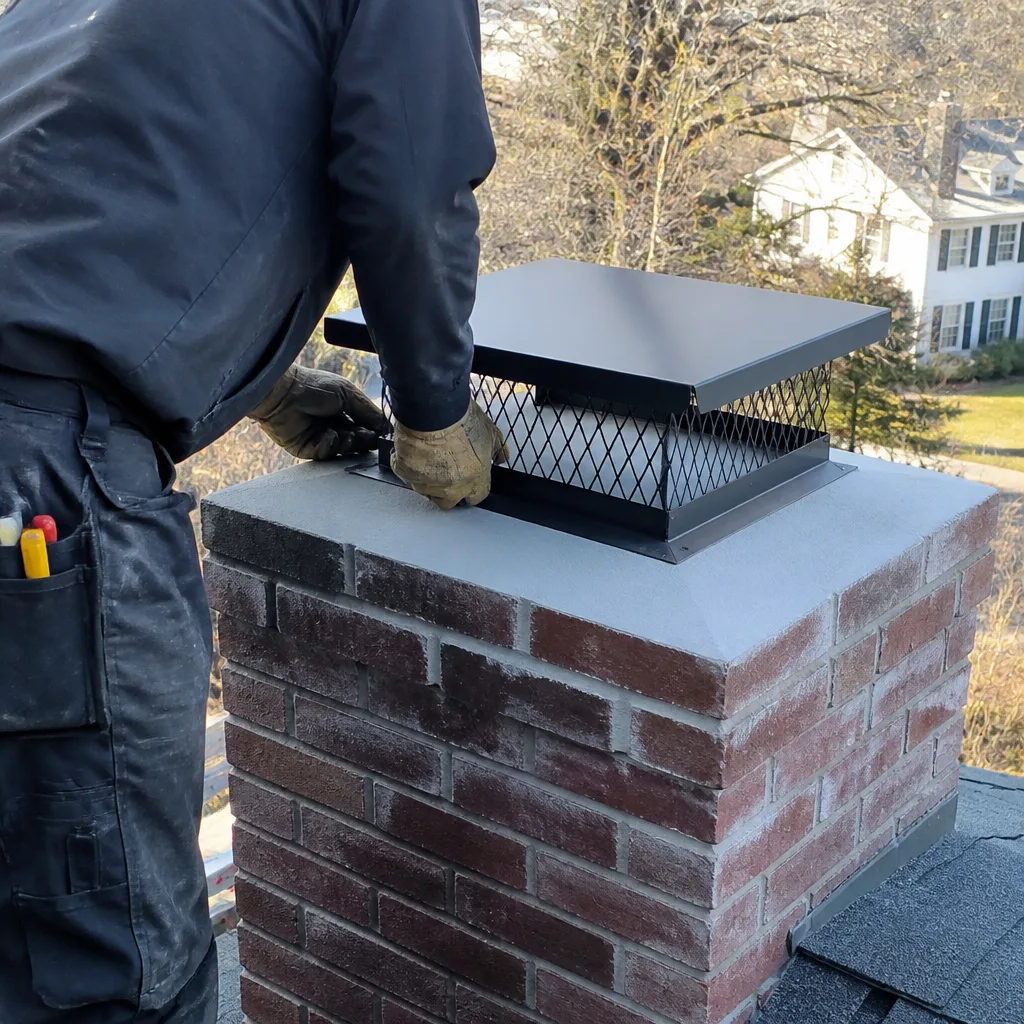
Level 1 sweep and inspection to the NFPA 211 annual standard - flue, crown, cap, and flashing checked and photographed
Chimney sweep logs do not sweep chimneys. They loosen some creosote - which then falls where a brush and vacuum still have to collect it.
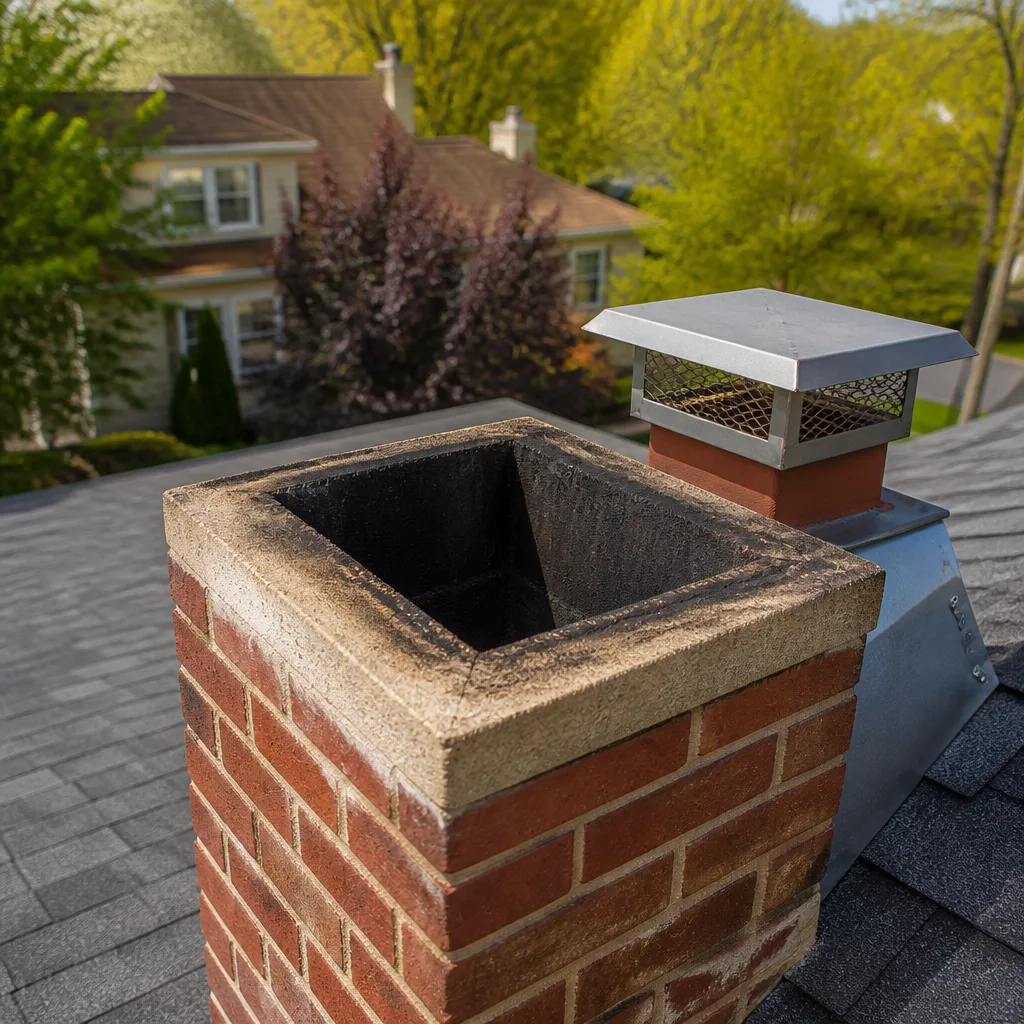
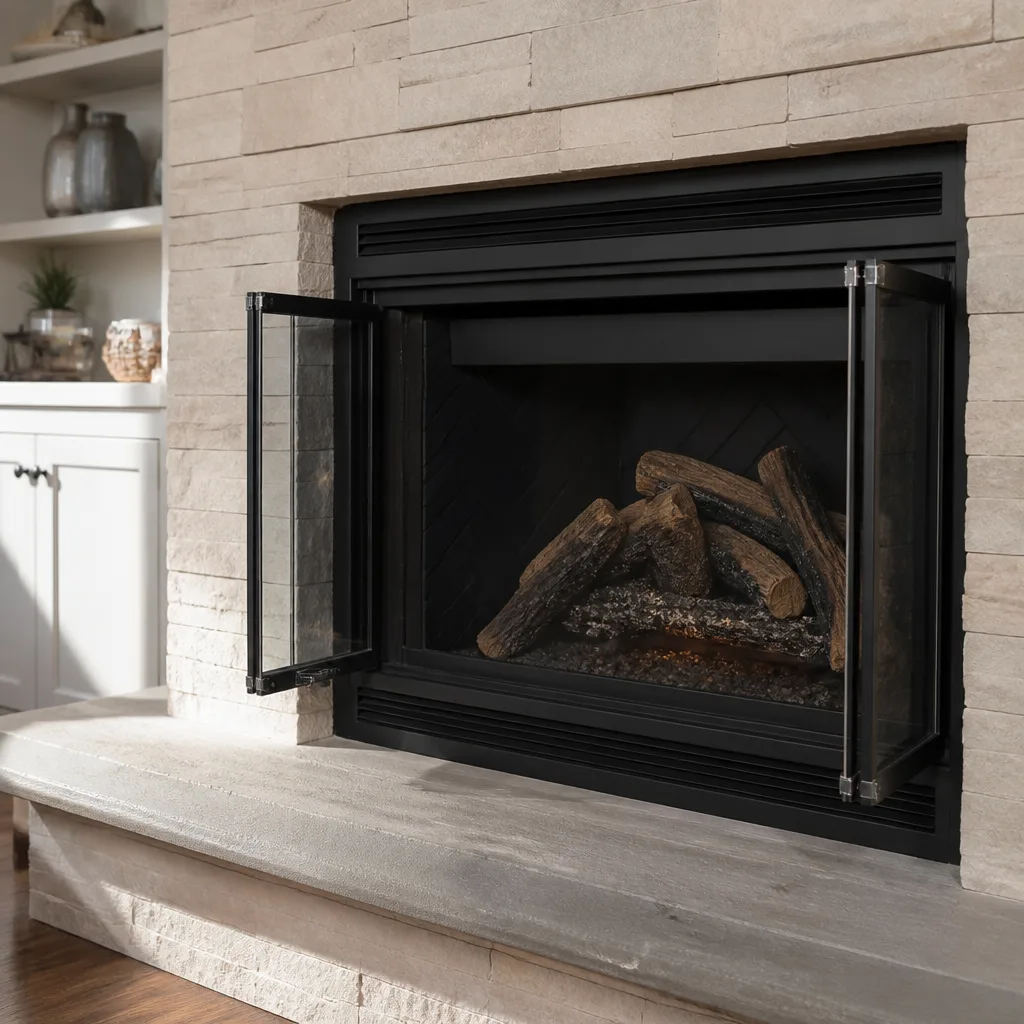
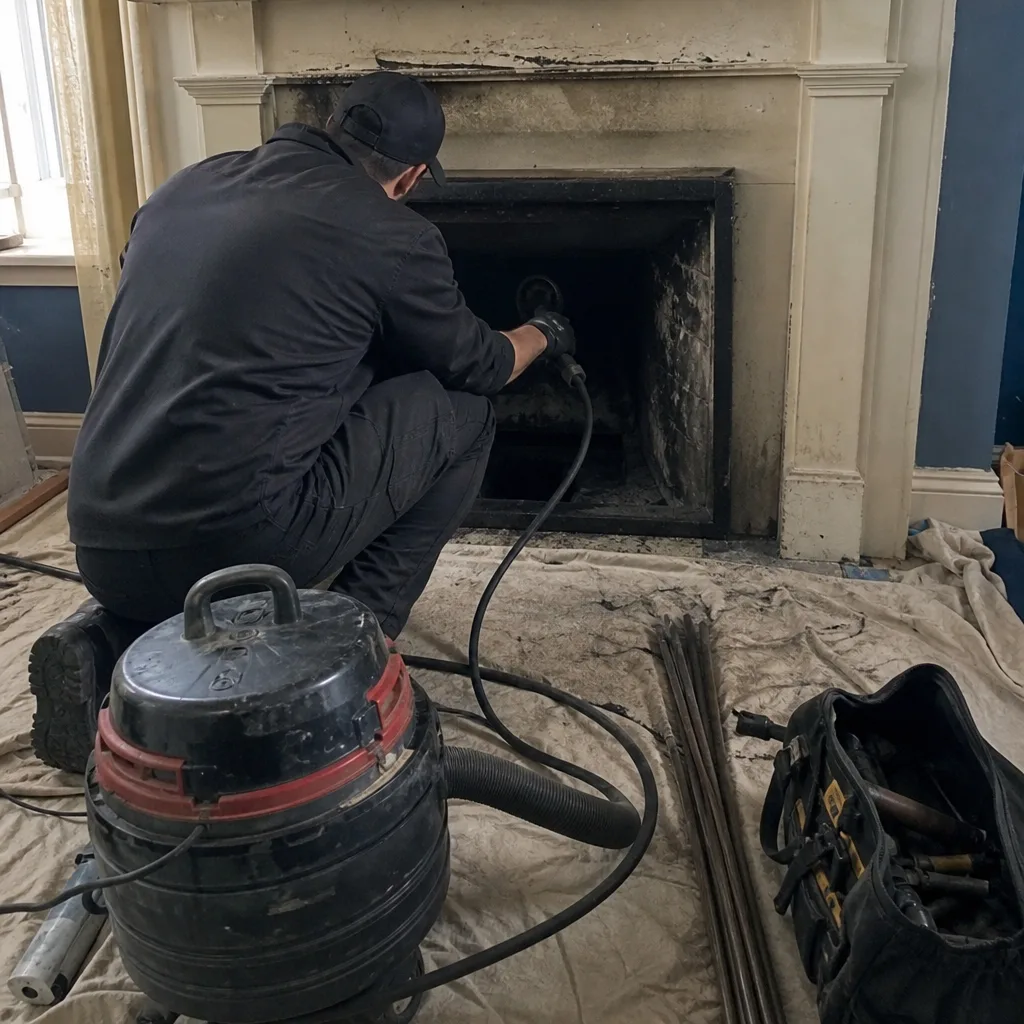 Before
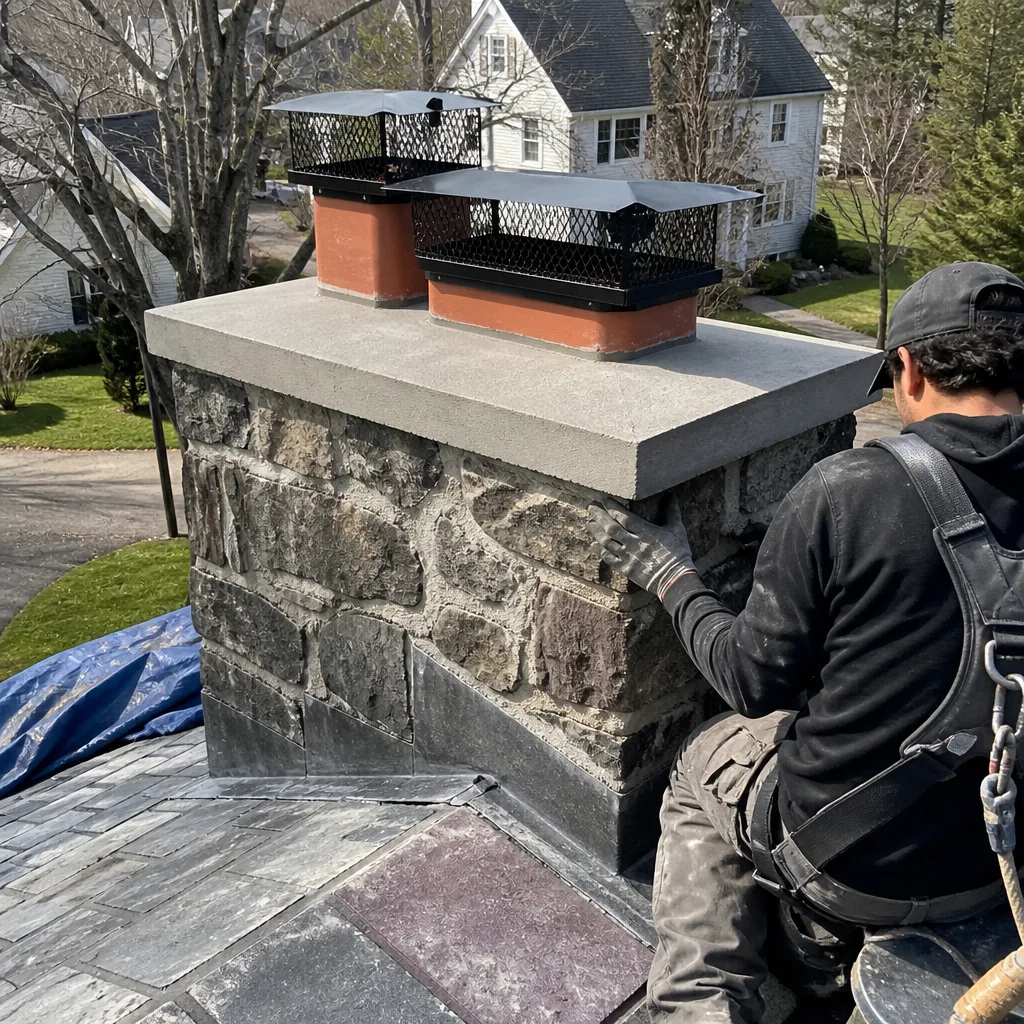 After
After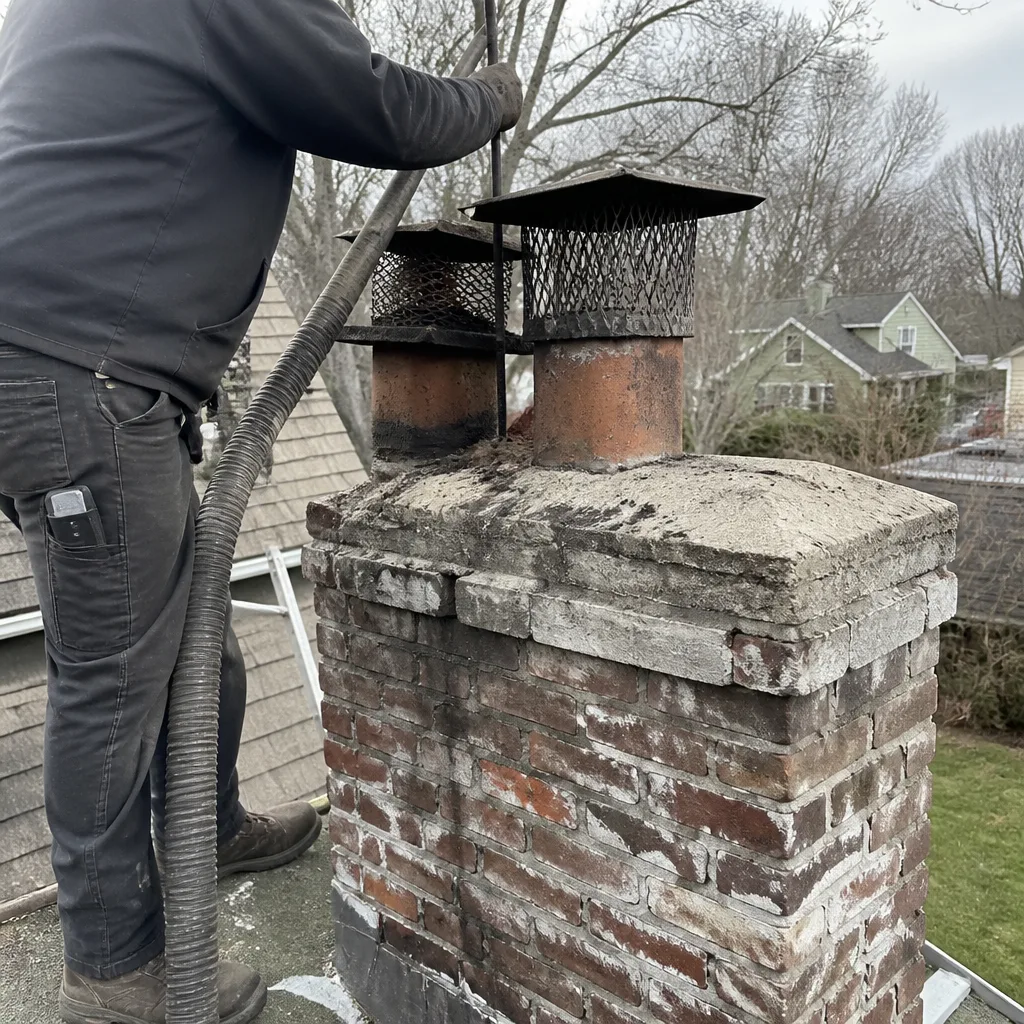 Before
 After
After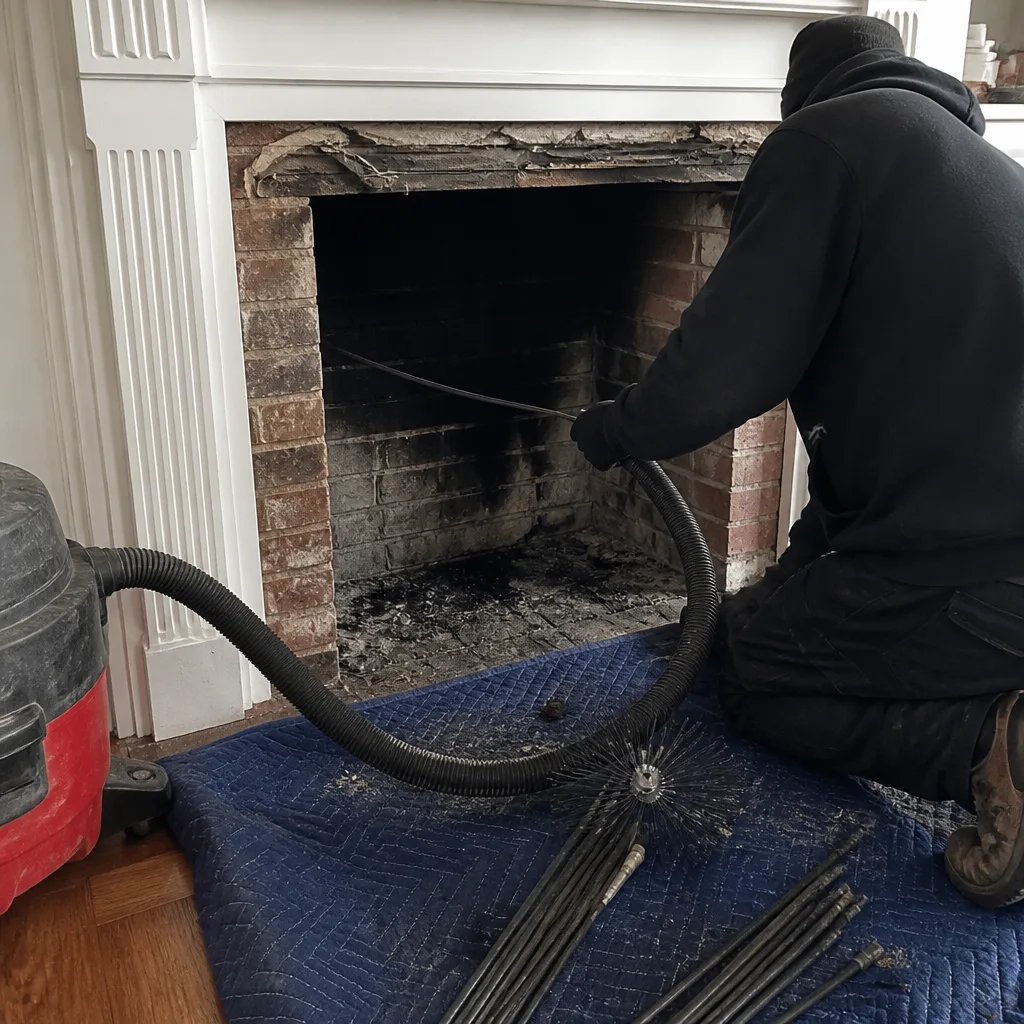 Before
 After
AfterChimney Cleaning Warning Signs: A Rye Homeowner’s Reference Guide
Here’s something that surprises most people: the vast majority of chimney problems announce themselves weeks or even months before they become emergencies. A faint odor in the living room on a humid afternoon, a dusting of black flakes on the hearth when nobody’s burned anything since March, a damper that suddenly feels stiff. Homeowners in Rye tend to notice these things, file them away, and wait until October to think about them again. That waiting is usually fine, if you know what the signals mean. This guide gives you the vocabulary to tell a minor maintenance item from a real problem, so you can make a calm phone call instead of a panicked one.
Quick Answer
Chimney warning signs fall into five categories you can detect without any tools: unusual smells, visible residue inside the firebox, smoke behavior during a fire, a damper that doesn’t operate smoothly, and staining or discoloration on exterior masonry. A campfire-like smell with no fire lit usually means creosote buildup, which is manageable with a sweep. A persistent acrid or burning smell with no fire lit, smoke entering the room, or white mineral staining spreading across exterior brick means you should call a professional in Rye sooner rather than later.
Table of Contents
- The Smell Test: What Your Nose Is Actually Telling You
- Reading the Residue: Creosote Color and Texture
- Smoke Coming Back Into the Room: Four Causes, Four Fixes
- The Damper Tells a Story: Feel It Before You Light Anything
- Efflorescence and Exterior Staining: When White Dust Is a Warning
- What to Do While You Wait for a Sweep in Rye
- Common Mistakes to Avoid
- When to Call a Professional
- Frequently Asked Questions
- The Bottom Line
The Smell Test: What Your Nose Is Actually Telling You
Most Rye homeowners first notice a chimney problem with their nose, not their eyes. The nose is also the sensor most people second-guess. A faint campfire smell in July, when the fireplace hasn’t been used since the spring, is the single most common call we get during the summer months. Here’s the important distinction: a mild, nostalgic woodsmoke smell on a humid day is normal and manageable. A sharp, acrid, or chemical-smelling odor that persists regardless of weather is different, and it needs attention.
Humidity is the trigger. Rye sits on the coast, and summer air carries enough moisture to activate creosote deposits inside the flue. Creosote is hygroscopic, which means it absorbs moisture from the air. When it does, it releases volatile compounds that smell exactly like last winter’s fires. This is why the smell appears on muggy days and disappears when the air dries out. It does not mean your chimney is about to catch fire. It means creosote has accumulated to a level where you can smell it, and a chimney cleaning and sweep in Rye would be a good idea before burning season.
The smell that should get your attention is a persistent burning odor with no fire lit, especially if it has a chemical or oil-like quality. That is not creosote. It can indicate a hot ember or smoldering creosote deep in the flue, a bird or animal nest that got heated during the last fire, or in rarer cases, an electrical problem near the chimney chase. If you smell this, do not light a fire. Call a sweep.
Here’s the quick reference for what your nose is telling you:
- Woodsy, campfire-like, comes and goes with humidity: Creosote buildup. Manageable. Schedule a sweep.
- Sharp, acrid, or chemical, constant: Something is actively smoldering or overheating. Call within a day or two.
- Rotten, musty, or damp-earth smell: Moisture intrusion, often a failed cap, crown, or flashing. Needs repair, but not an emergency.
- Dead-animal smell in spring: A nesting animal that didn’t survive. The chimney repair in Rye usually involves removal plus a cap to prevent it happening again.
A quick note on the “campfire in July” smell: lighting a fire to burn off the smell is the wrong move. A hot fire in a chimney with creosote buildup is exactly the scenario that causes chimney fires. The smell is telling you to clean first, burn later.
Reading the Residue: Creosote Color and Texture
Creosote is not one substance. It’s a family of combustion byproducts, and it changes character depending on how hot your fires burn, what kind of wood you use, and how often the flue gets cleaned. Understanding the three stages of creosote will tell you more about your chimney’s condition than almost anything else, and you can check it yourself with a flashlight and a quick look up the firebox.
Creosote forms when wood smoke cools and condenses on the inside of the flue. The hotter and more complete the combustion, the less creosote is produced. The cooler and smokier the fire, the more creosote condenses. This is why smoldering, low-oxygen fires are the worst thing you can do for a chimney, and why burning green or unseasoned wood accelerates buildup dramatically.
Here are the three stages, which you can identify by sight:
- First-degree creosote (dusty/flaky): Looks like black dust or fine soot. Brushes off easily. This is normal after a season of burning and what most routine cleanings address. A brush job handles it.
- Second-degree creosote (crusty/granular): Looks like black cornflakes or crunchy granules. Harder to brush off, but still removable with standard tools and maybe a little extra effort. This stage means you’ve been burning cooler fires or skipped a season of cleaning.
- Third-degree creosote (gla�ed/tar-like): Looks like shiny, hardened tar or glaze. This is concentrated fuel. It cannot be brushed off with standard equipment. It often requires rotary cleaning tools or a product like HeatShield to address, and in our experience it forms when there’s been a chimney fire, extended smoldering, or years of unseasoned wood burning. Wendell’s crew sees this most often in older Rye homes that had years of casual burning before the current owner moved in.
First-degree creosote is a brush job. Third-degree is a glaze, and catching it early means the difference between a routine sweep and a more involved repair. The good news is you don’t need a professional to tell which stage you’re looking at. Shine a flashlight up from the firebox and look at the walls. If you see shiny black glaze, make the call.
Smoke Coming Back Into the Room: Four Causes, Four Fixes
“Smoke comes back into the room” is the most common reason Rye homeowners call us during burning season. It’s also the least specific. That single symptom has at least four distinct causes, each with a different fix, and describing the symptom accurately over the phone will help a sweep diagnose it before they even arrive. Here’s how to tell which version of the problem you have.
Cause 1: Cold flue, not enough draft. The firebox is cold, the flue is cold, and cold air sinks. When you light the fire, smoke has nowhere to go because the flue hasn’t established an upward draft. This is common in Rye during early fall, when the outside temperature isn’t much colder than inside the house. The fix is usually as simple as priming the flue: hold a lit piece of newspaper or a lit fire starter up near the open damper for sixty seconds to warm the air in the flue before lighting the main fire. If this fixes it, you don’t have a chimney problem. You have a cold-start problem.
Cause 2: Negative pressure inside the house. Tight houses, an increasingly common situation in renovated Rye homes, don’t let air in. When you’re running the kitchen vent hood, bathroom fans, or the dryer, those appliances pull air out of the house, and the fireplace becomes the path of least resistance for replacement air. The smoke gets pulled backward into the room. The fix is to crack a window when burning, or have a professional evaluate whether an outside air source is needed. Some chimney systems benefit from a top-sealing damper or specific draft improvements, but start with the cracked window before spending money.
Cause 3: Obstruction in the flue. A bird nest, a squirrel’s winter stash, leaves, or a fallen section of flue tile can restrict or block the smoke path. This produces smoke that enters the room consistently, not just on startup, and it usually gets worse as the fire burns hotter. The fix is a professional inspection. A camera inspection costs less than most people expect and shows exactly what’s going on inside, and we don’t recommend any repair without the footage to prove it.
Cause 4: Downdraft from chimney height, location, or surrounding trees. Some chimneys in Rye simply don’t terminate high enough above the roofline, or they sit in a wind pattern created by surrounding structures or mature trees. The result is wind pushing smoke back down the flue. The fix can be as simple as a different chimney cap or as involved as extending the flue height. This is a real diagnosis, not a guess, and it’s worth getting right.
Here’s the key: when you call to describe the problem, be specific. Does smoke roll in when you first light the fire and then clear up? That suggests a draft or cold-start issue. Does it get worse as the fire burns hotter? That’s often a restriction. Does it happen only when the wind blows from a certain direction? That points to a downdraft. Telling the person on the phone exactly when and how the smoke appears saves everyone time, and it might be the difference between a simple fix and a bigger job.
The Damper Tells a Story: Feel It Before You Light Anything
Before you even think about building the season’s first fire in Rye, reach up and operate the damper. It should move smoothly through its full range. If it doesn’t, the damper is telling you something, and the specific way it’s misbehaving points to the underlying problem.
A damper that’s stiff and hard to move is often rusted. Rust on a damper means moisture is getting into the flue, usually from a damaged chimney cap or cracked crown. Which means the damper issue is the first visible sign of a water intrusion problem that, left alone, will eventually damage the flue liner and the firebox. Fixing the source of the water is the real repair. The stiff damper is just the messenger.
A damper that won’t close all the way is almost always telling you that creosote or debris has built up on the seating surface, or the damper blade has warped from heat. A damper that won’t stay open indicates a broken or slipped damper cable or a cracked mounting bracket, common in Rye homes where fireplaces have seen decades of use. And a damper that’s completely stuck is usually seized from rust, which again points back to moisture.
The practical guideline is simple: if the damper doesn’t operate smoothly, don’t force it. Forcing a rusted or warped damper can snap the control arm or break the blade, turning a minor adjustment into a real repair. The damper is one of the cheapest parts of a chimney system, but it controls your ability to burn or not burn. If it’s fighting you, let a professional look at it. We’ve seen homeowners in Rye spend more on a new damper after forcing a seized one than they would have spent on the original fix, and it’s an easy mistake to avoid.
Efflorescence and Exterior Staining: When White Dust Is a Warning
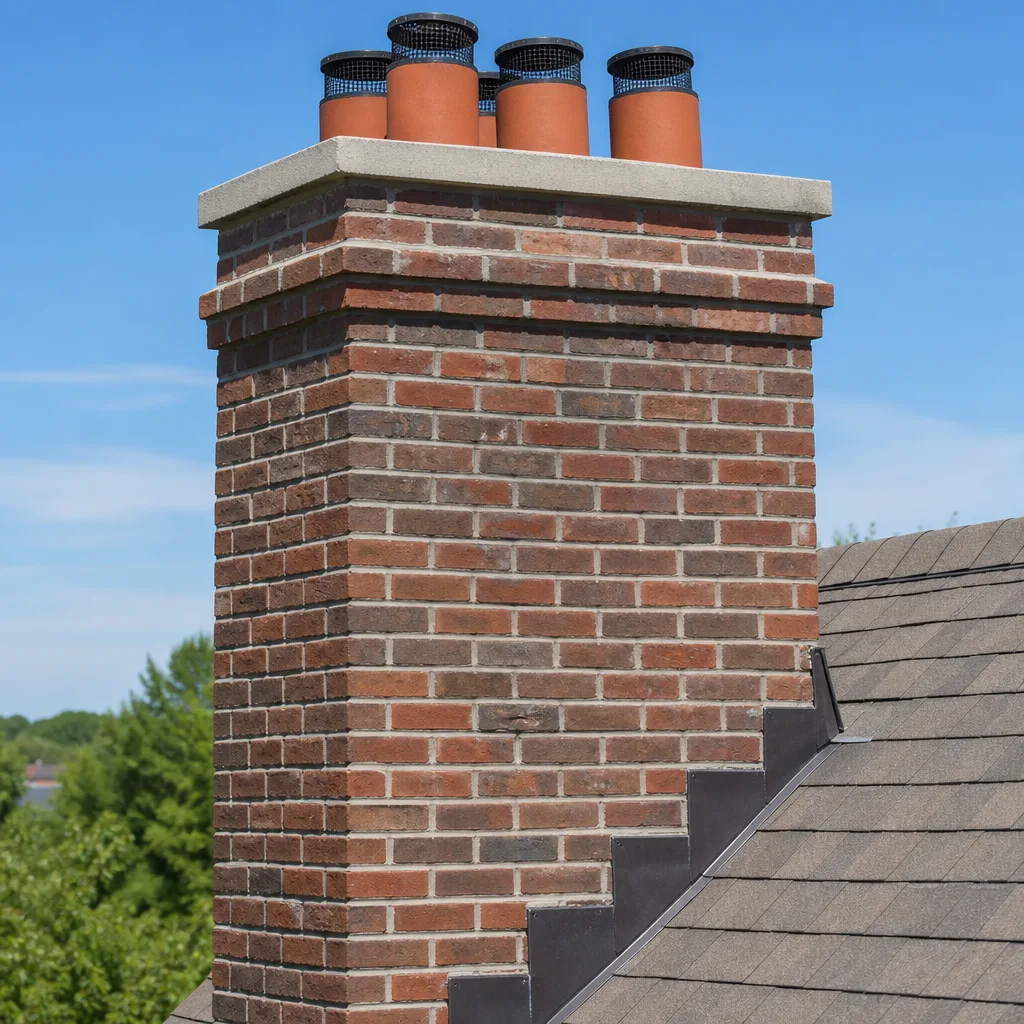
Walk around the outside of your house and look at the chimney. If you see white, chalky deposits on the brick, you’re looking at efflorescence. That’s the technical term for mineral salts that get carried to the surface of masonry by water and left behind when the water evaporates. Efflorescence itself is not structural damage. It’s a symptom. The question is what it’s a symptom of.
In most Rye homes, efflorescence means water is moving through the brick from the inside, the outside, or both. The moisture dissolves mineral salts in the mortar and brick, and when it reaches the surface and dries, the salts remain. A light dusting of white over a season or two is often cosmetic. But dense, recurring, or spreading efflorescence, especially if it comes with flaking brick faces or deteriorating mortar joints, means water has been moving through for a long time. That’s when it crosses from cosmetic to structural.
The concern with long-term moisture in masonry, in our climate, is the freeze-thaw cycle. Rye winters cycle above and below freezing dozens of times each season. Water absorbed into brick expands when it freezes, and over years that expansion spalls the brick face, cracks the mortar, and compromises the structure. The white dust isn’t the problem. The water behind it is.
There’s also a second type of staining that worries homeowners: dark, sooty streaks running down the exterior brick, often near the crown or cap. That typically comes from smoke exiting the flue and condensing on the cold masonry, or from years of a poorly drafting chimney depositing soot. If the stains are dry and the brick is solid, it’s usually a draft or termination height issue. If the stains are accompanied by dampness, moss, or crumbling mortar, the chimney needs a masonry assessment.
Here’s the honest bottom line: efflorescence alone does not mean you need thousands of dollars of masonry work. It means you need someone to look at where the water is coming from. Sometimes the fix is a new cap. Sometimes it’s repointing. Sometimes it’s, do nothing this year and watch it. The important thing is getting an honest assessment, not a scare quote. Wendell has been looking at Rye chimneys since 1999, and he will tell you plainly when a chimney can wait, because he knows he’ll run into you again on Saturday.
What to Do While You Wait for a Sweep in Rye
You’ve noticed a warning sign. You’ve scheduled a sweep. Now there’s a gap between the noticing and the appointment, and what you do in that gap matters. Here’s the guidance we give Rye homeowners when they call, and it applies whether we’re coming out next week or next month.
First: close the damper. If you’re not burning, keep the damper closed, along with any glass fireplace doors if you have them. This minimizes air movement through the flue, which reduces the smell that humid summer air pulls out of creosote buildup, and it prevents birds and bats from exploring.
Second: do not light a fire to test the chimney. This is the most common mistake, and it’s worth stating plainly. If your chimney is showing warning signs, lighting a fire is how warning signs become chimney fires. The sign exists because something is wrong. Testing a compromised system with open flame is not a diagnostic procedure. It’s how houses catch fire.
Third: if the smell is strong or acrid, ventilate the room, not the chimney. Opening windows helps. Opening the damper makes it worse inside the house.
Fourth: secure a cover if it’s raining and your cap is missing or damaged. The goal is to stop active water from pouring into the flue. You don’t need a permanent fix, just something to shed rain until the sweep arrives, and make sure it’s safe to access. If the chimney is steep or the roof is wet, don’t go up. A professional can handle it.
Fifth: write down what you’ve observed. When did the smell start? What does it smell like? Did the smoke problem happen only on windy days? Does the white staining worsen after rain? That record is more useful during a diagnostic visit than anything the sweep can see on the day they arrive, because many symptoms are intermittent. The camera footage will show the inside story, and your notes provide the timeline.
Here’s the truth most Rye homeowners already know: a warning sign is not an emergency unless the sign is smoke entering the room while a fire is lit, an active chimney fire, or a structural failure like a cracked flue liner exposed to the house. Most other signs mean, call a sweep and schedule a visit, then close the damper and go about your week. The calm path is almost always the right one.
Common Mistakes to Avoid
- Lighting a fire to burn off the smell. The smell is creosote. A hot fire in a creosote-lined flue is how chimney fires start in Rye every year. Burn after the sweep, never before.
- Ignoring a damper that fights you. Forcing a stiff damper turns a $100 service call into a $500 replacement. If it doesn’t move smoothly, leave it alone and let a professional look.
- Assuming efflorescence is just cosmetic. Sometimes it is. Sometimes it’s water moving through the brick for years, and by the time you see spalling, the damage is already underway. Freeze-thaw cycles on coastal Rye masonry don’t forgive neglect.
- Describing smoke problems vaguely. “Smoke comes back sometimes” tells a sweep almost nothing. Note when it happens, how it behaves, and whether it’s worse in wind or cold. The diagnosis depends on those details.
- Burning green or unseasoned wood. Wood that hasn’t dried for at least a year produces cool, smoky fires and accelerated creosote buildup. It’s the fastest way to turn a first-degree creosote situation into a third-degree glaze.
- Waiting for October to schedule a sweep. Every Rye homeowner calls at the same time. Booking your chimney cleaning in Rye during the off-season means you’ll get the date you want, and you’ll catch problems before burning season, not during it.
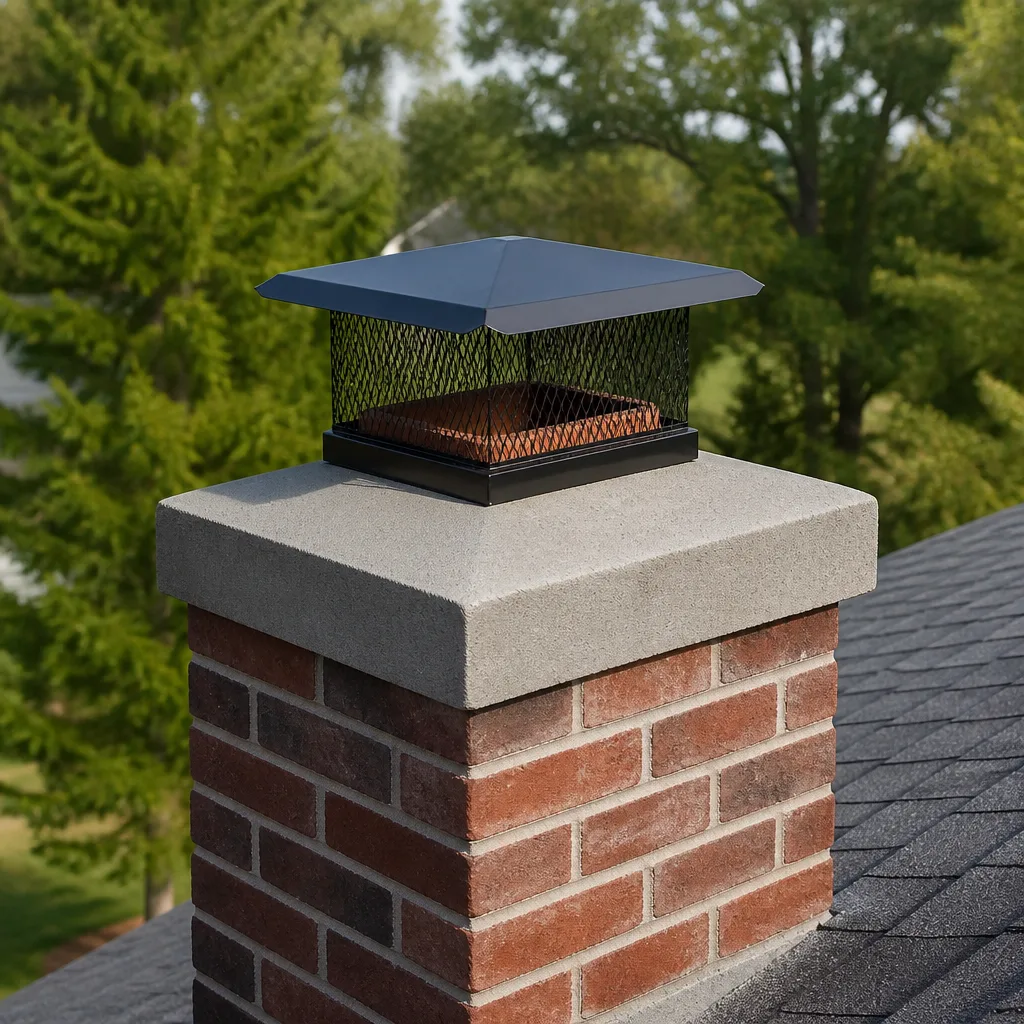
- Skipping the chimney cap. A missing or damaged cap lets in water, birds, squirrels, and leaves. It’s the cheapest part of the chimney system and the root cause of a surprising number of expensive problems. We install Copperfield and DuraFlex caps regularly, and the cost of a cap is a fraction of the cost of a new flue liner.
When to Call a Professional
Call a professional when the warning sign is persistent, when it involves smoke entering the room, when exterior staining is spreading or accompanied by crumbling brick, or when you’re simply not sure what you’re looking at. That last one is a perfectly valid reason. You don’t need to diagnose your own chimney. You need to know when the situation has moved beyond routine, and a phone call will often settle it in five minutes. Top Hat Chimney offers free estimates in Rye, same number every time, a live person on the line around the clock, and the price quoted before work begins is the price on the invoice. Call (914) 685-6096 and describe what you’re seeing. Wendell will tell you whether you need a visit or just need to relax.
Frequently Asked Questions
Once a year, burn or no burn. Even a fireplace that hasn’t been used all season still has a flue, and that flue is exposed to rain, wind, birds, and coastal humidity. Rye’s damp summers mean creosote absorbs moisture and degrades, and the freeze-thaw cycle stresses mortar and brick. An annual sweep catches minor issues before they become major ones. If you burn heavily, two cleanings a year is not unreasonable. Call (914) 685-6096 to schedule before the fall rush.
Expect to pay between $220 and $360 for a standard chimney sweep and inspection in the Rye area, depending on flue height, accessibility, and how much creosote has accumulated. Add-on services like camera inspection, cap installation, or masonry repair are quoted separately and always before work begins. Some companies charge a trip fee; Top Hat Chimney home operates with no trip charge inside the county, and seniors and veterans always receive 10% off. A precise quote is free, and it’s the number you’ll pay.
Yes, and it’s one of the reasons annual inspection matters. A slow-burning chimney fire can happen without the dramatic roaring sound people picture, and it can damage the flue liner, crack masonry, and leave the chimney unsafe for the next fire. If you hear a sound like a freight train or loud crackling from the flue, that’s an active chimney fire, and it requires immediate emergency response. If you suspect a chimney fire happened, even a small one, the flue needs to be inspected before you burn again. A liner product like HeatShield can often restore a damaged flue without a full rebuild.
A mild, woodsmoke smell that appears on humid days and disappears when the air dries is normal and common in Rye. It’s creosote absorbing moisture from coastal summer air. A persistent, sharp, or chemical smell that doesn’t go away is not normal and needs a professional look. The first is a cleaning issue. The second could be smoldering creosote, an animal nest, or another problem that requires attention soon. If you’re not sure which one you have, call and describe it. A five-minute conversation will usually settle it.
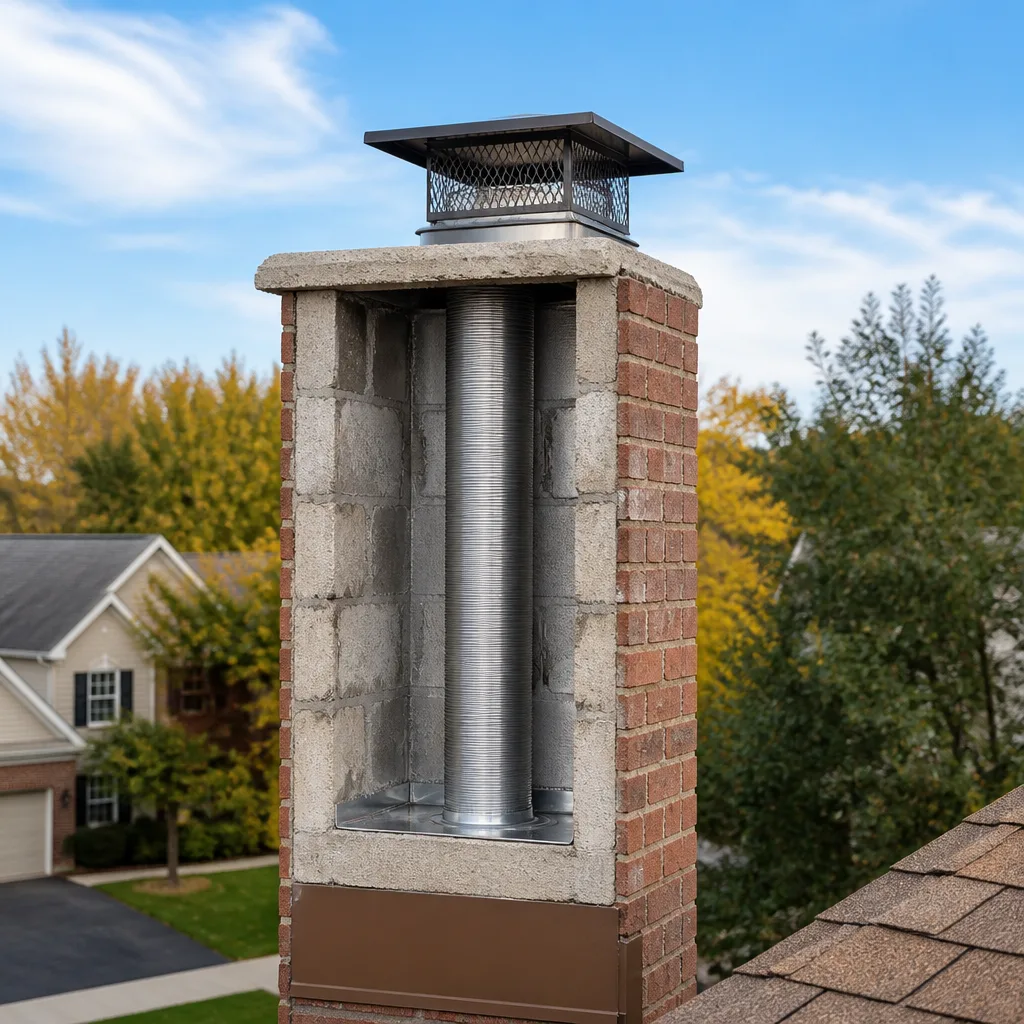
Not necessarily, and this is exactly the scenario where Rye homeowners get burned by upsell pressure. A cracked or deteriorated liner can often be restored with HeatShield, which is a ceramic coating applied to the inside of the existing flue, or with a DuraFlex stainless steel liner. A full liner replacement is sometimes necessary, but it’s not the default answer for every chimney that shows wear. Here’s our policy, and it’s been the same since 1999: nothing gets recommended without camera footage to prove it, and any written estimate from another company gets a free second opinion from Wendell himself. Ask anyone on your street.
If the warning sign is smell alone, no smoke issues, and the flue was professionally cleaned within the last year, burning is typically fine. If the warning sign is smoke entering the room, a damper that won’t operate, or a recent chimney fire, do not burn until a professional has inspected the system. When in doubt, wait. The fire will be better after the sweep, and so will your peace of mind. Call (914) 685-6096 for a free estimate and a straight answer.
The Bottom Line
Most chimney warning signs in Rye are not emergencies. They are the chimney’s way of telling you it needs attention, and they are almost always specific if you know how to read them. A campfire smell in summer is creosote. A stiff damper is moisture. Smoke rolling into the room has a cause you can identify by its behavior. White staining on brick is water moving through masonry. None of these require panic. All of them benefit from an informed phone call. Keep the damper closed, don’t light test fires, and when you’re ready, call a local sweep who puts his name on the work. The camera footage and a plain-English verdict, every time, no exceptions. That’s how it should work, and in Rye, that’s how it does.
Contact Top Hat Chimney
If you’ve spotted a warning sign, or if you just want a professional eye on your chimney before burning season, call (914) 685-6096 for a free estimate. A live person answers, around the clock, and it may well be Wendell himself. For more on what we do, see our Chimney Cleaning & Sweep in Rye, Chimney Repair in Rye, and Fireplace Services in Rye pages. The number you hear on the phone is the number on the invoice, and the work is backed by the 90-Day Done Right Promise, in writing, on every single job.
Written by Wendell Pike, Owner at Top Hat Chimney, serving Rye since 1999.