
Last updated September 10, 2026
Level 1 sweep and inspection to the NFPA 211 annual standard - flue, crown, cap, and flashing checked and photographed
Chimney sweep logs do not sweep chimneys. They loosen some creosote - which then falls where a brush and vacuum still have to collect it.
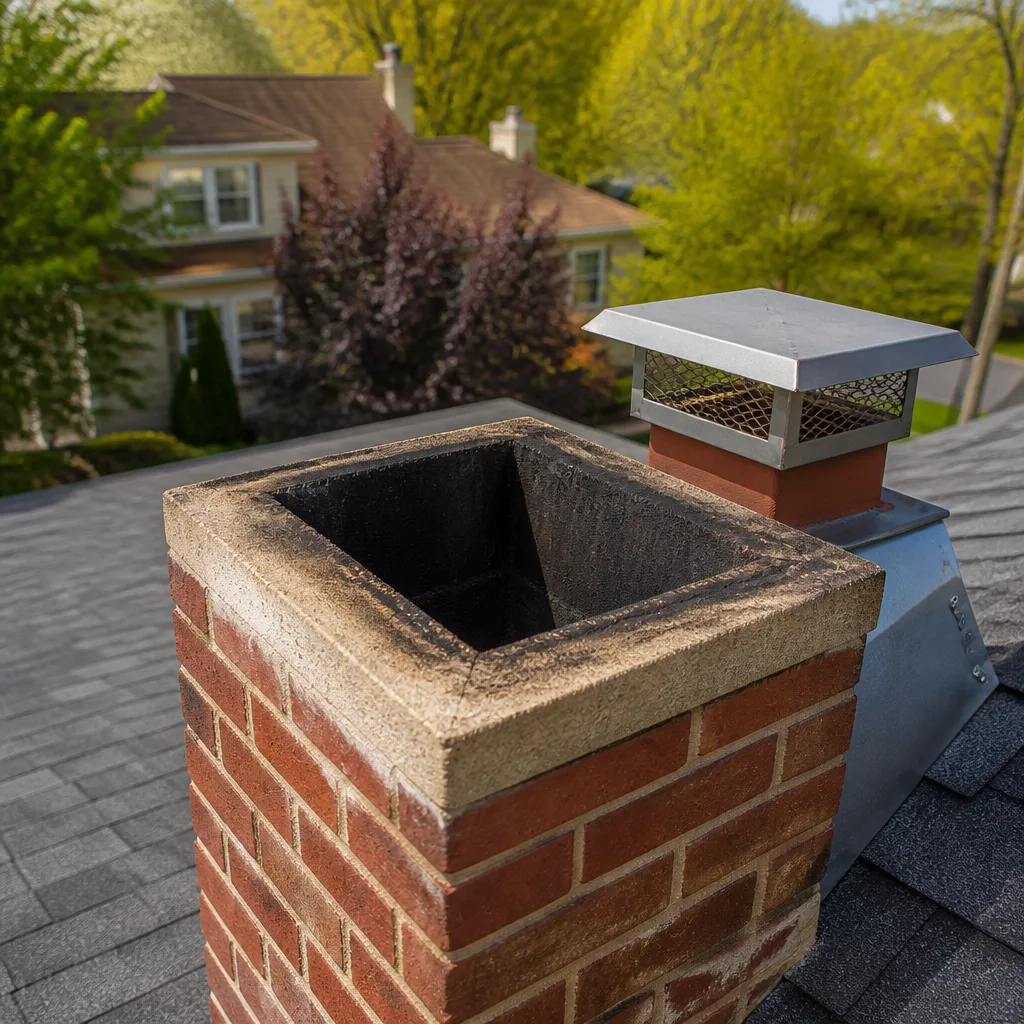
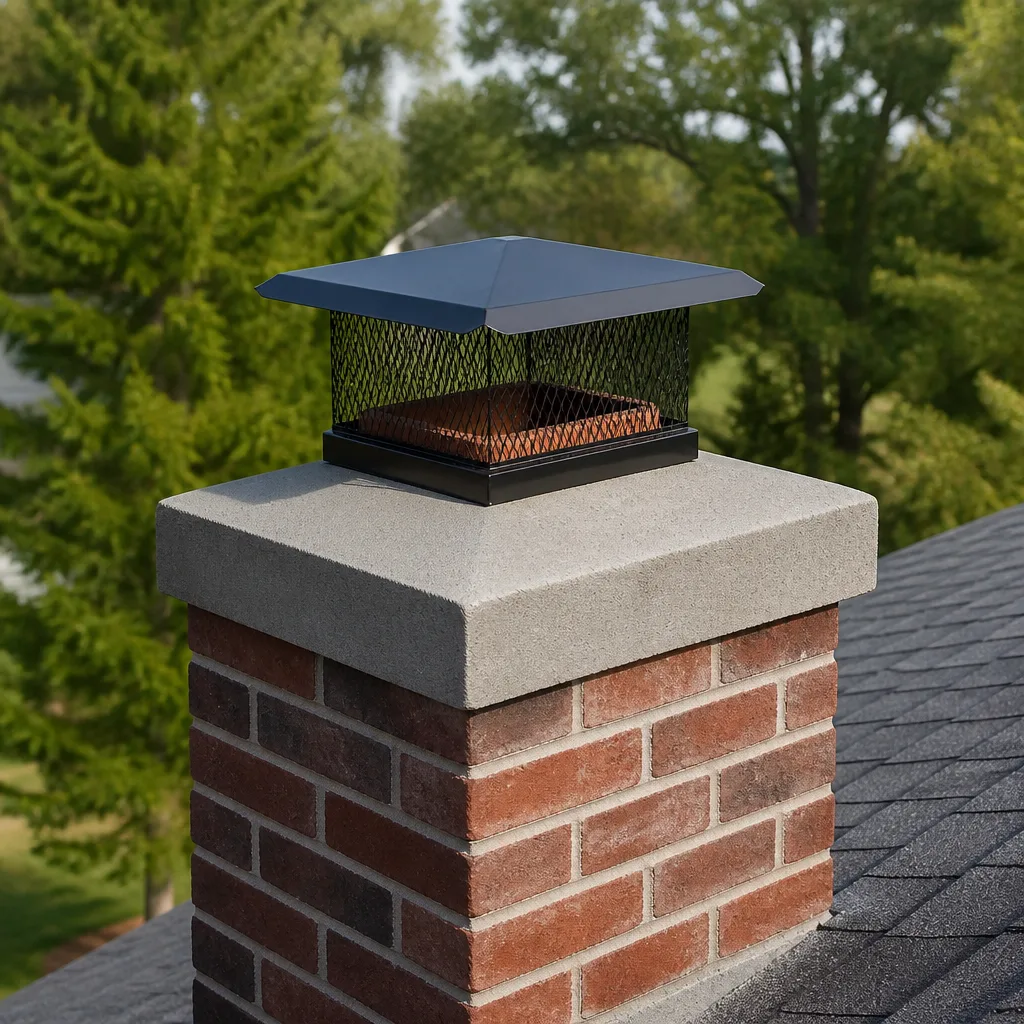
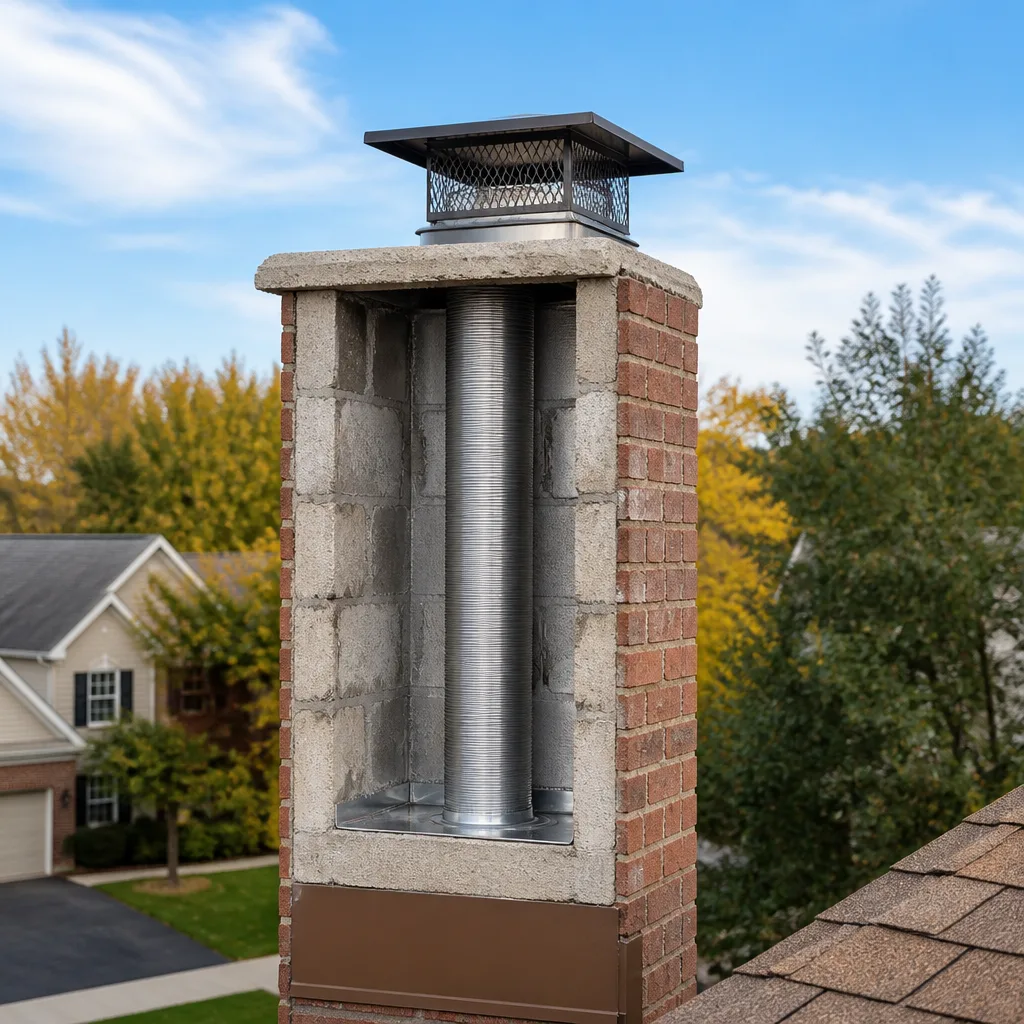
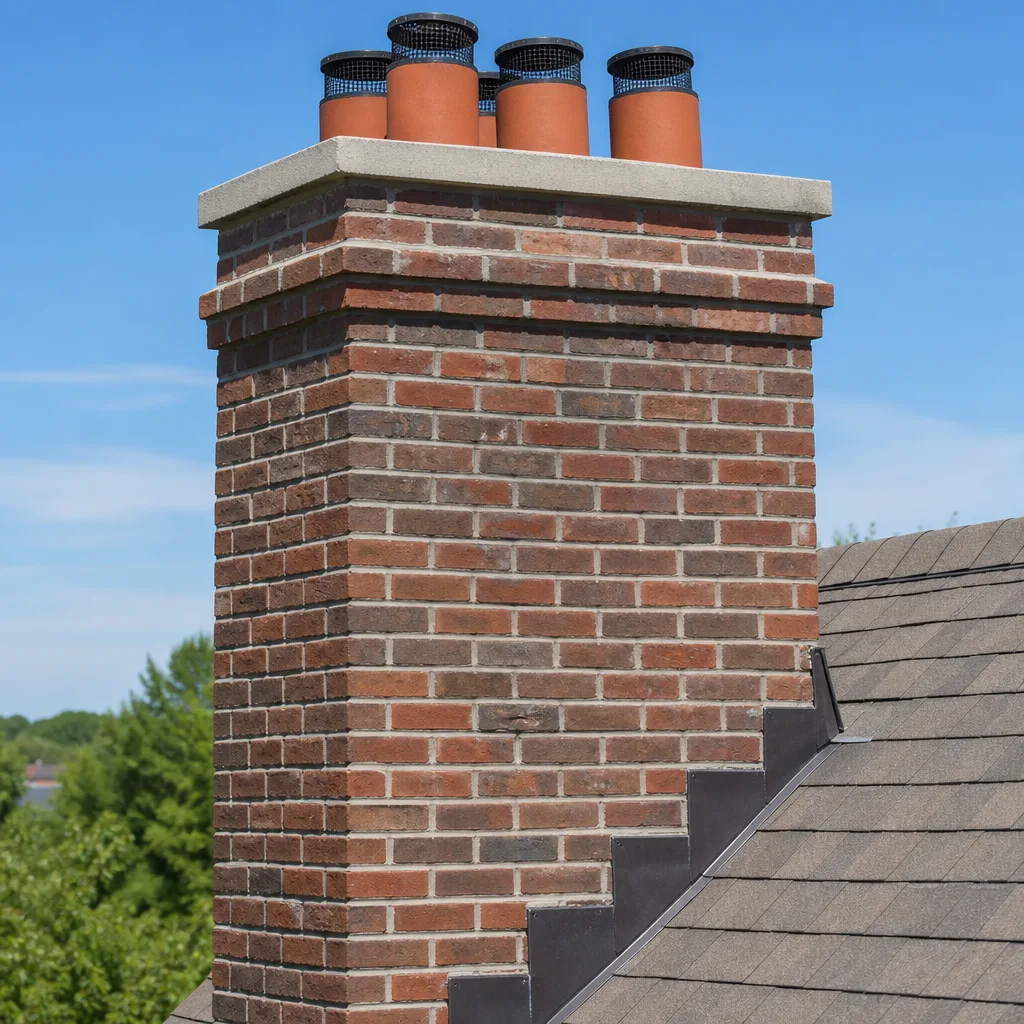
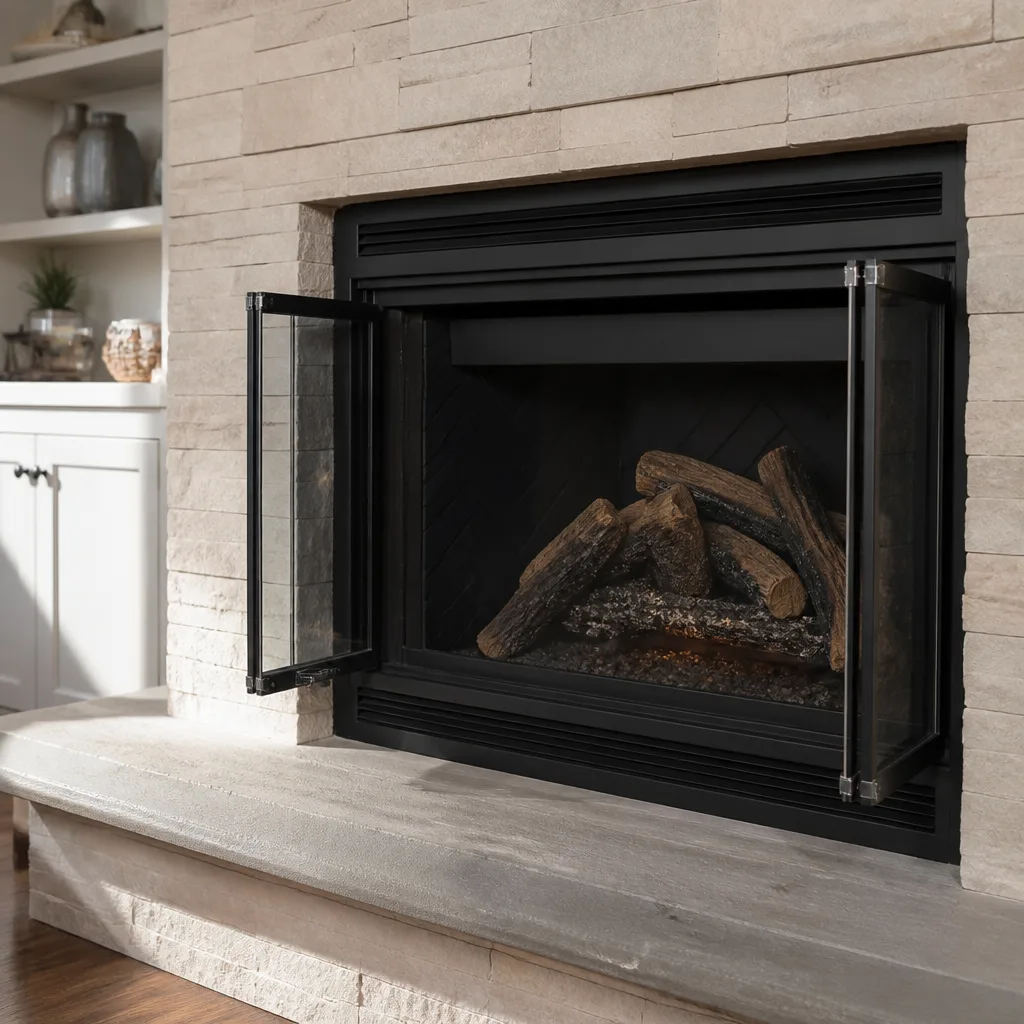
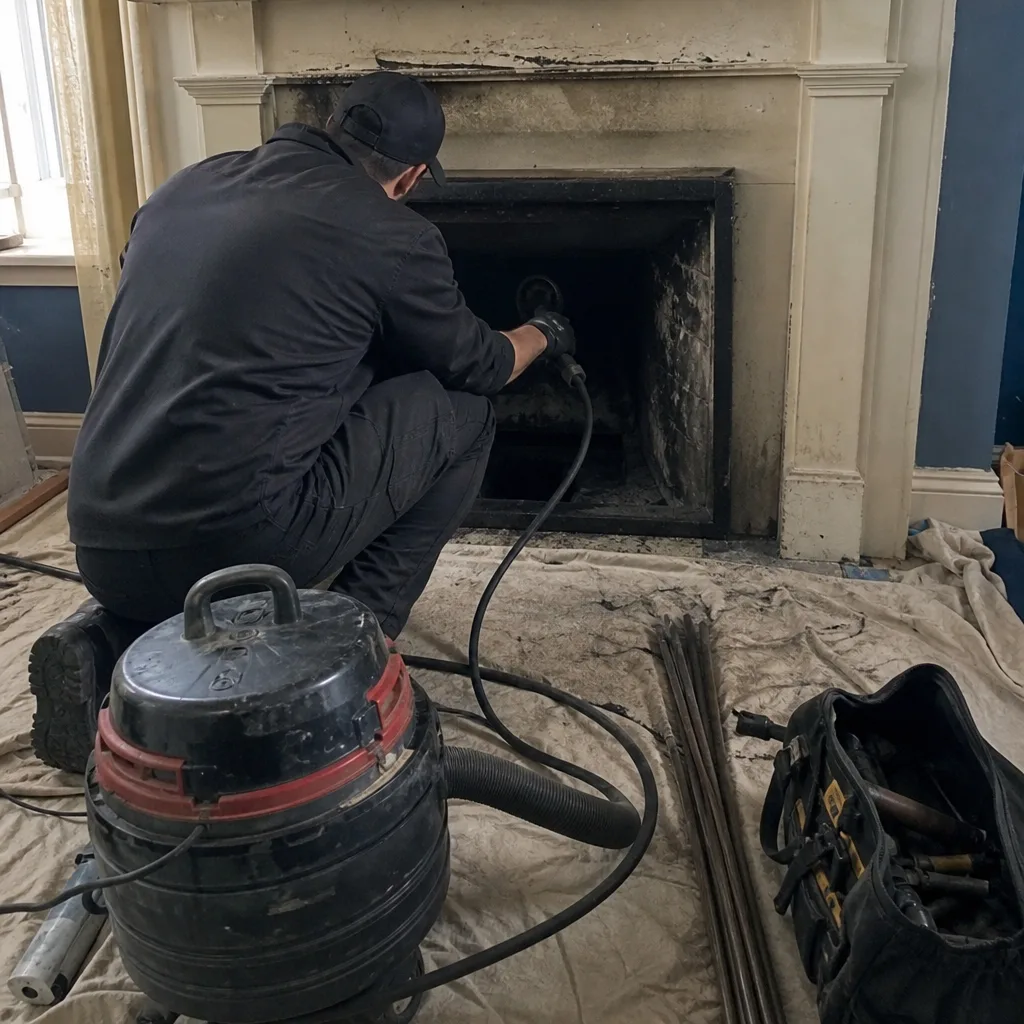 Before
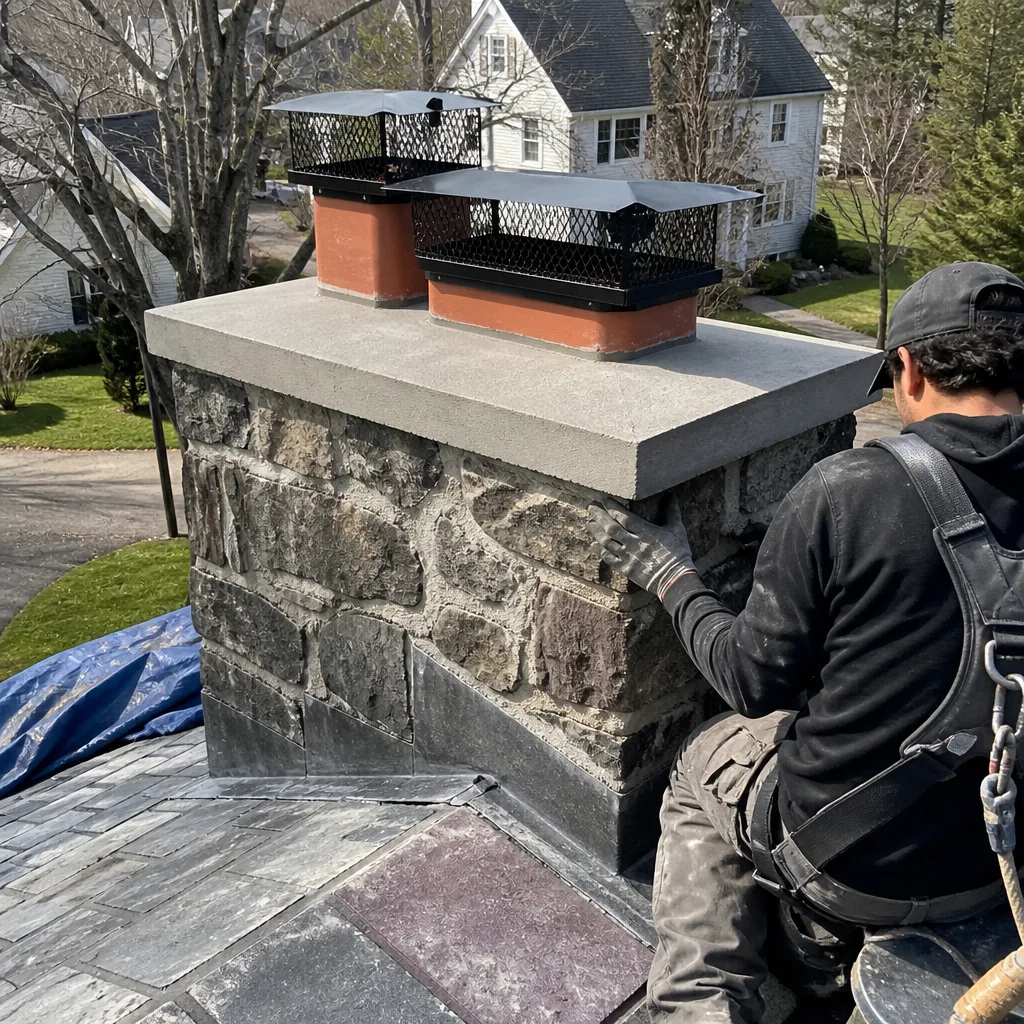 After
After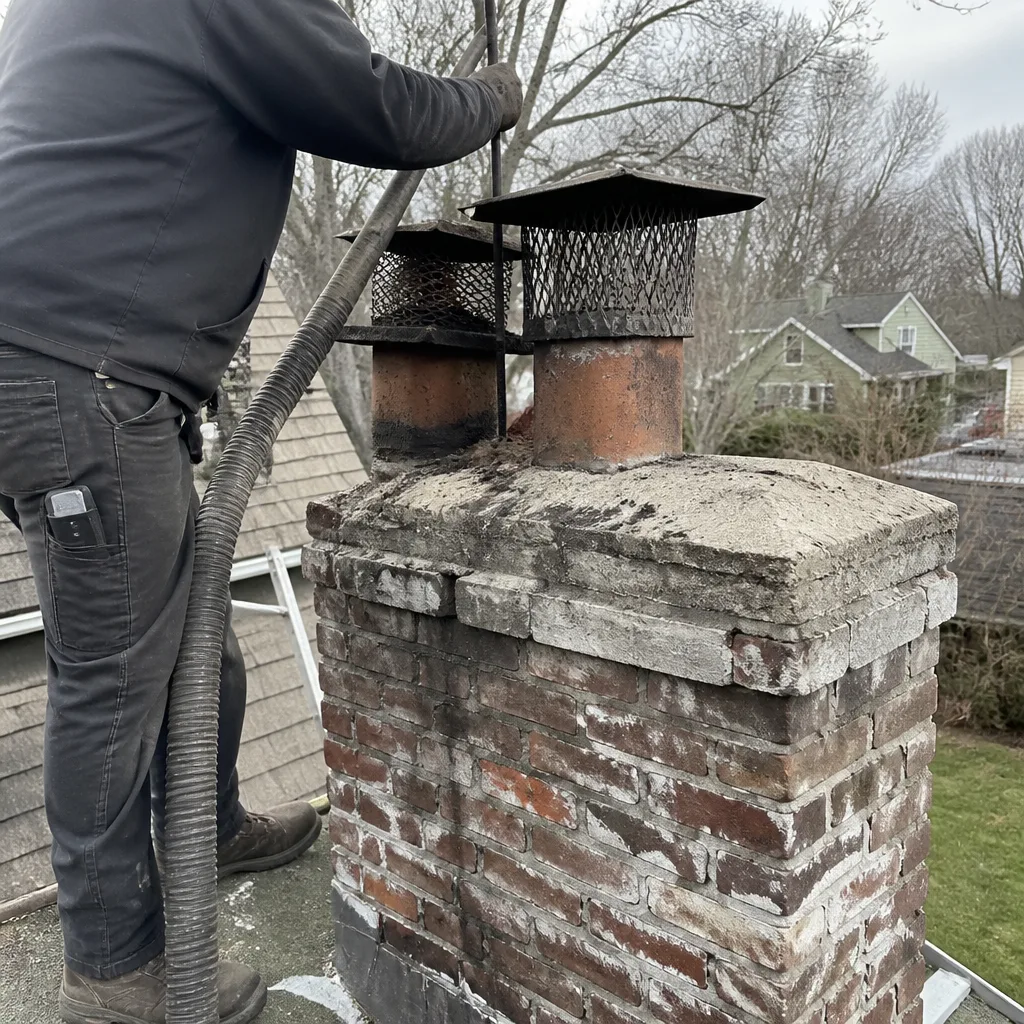 Before
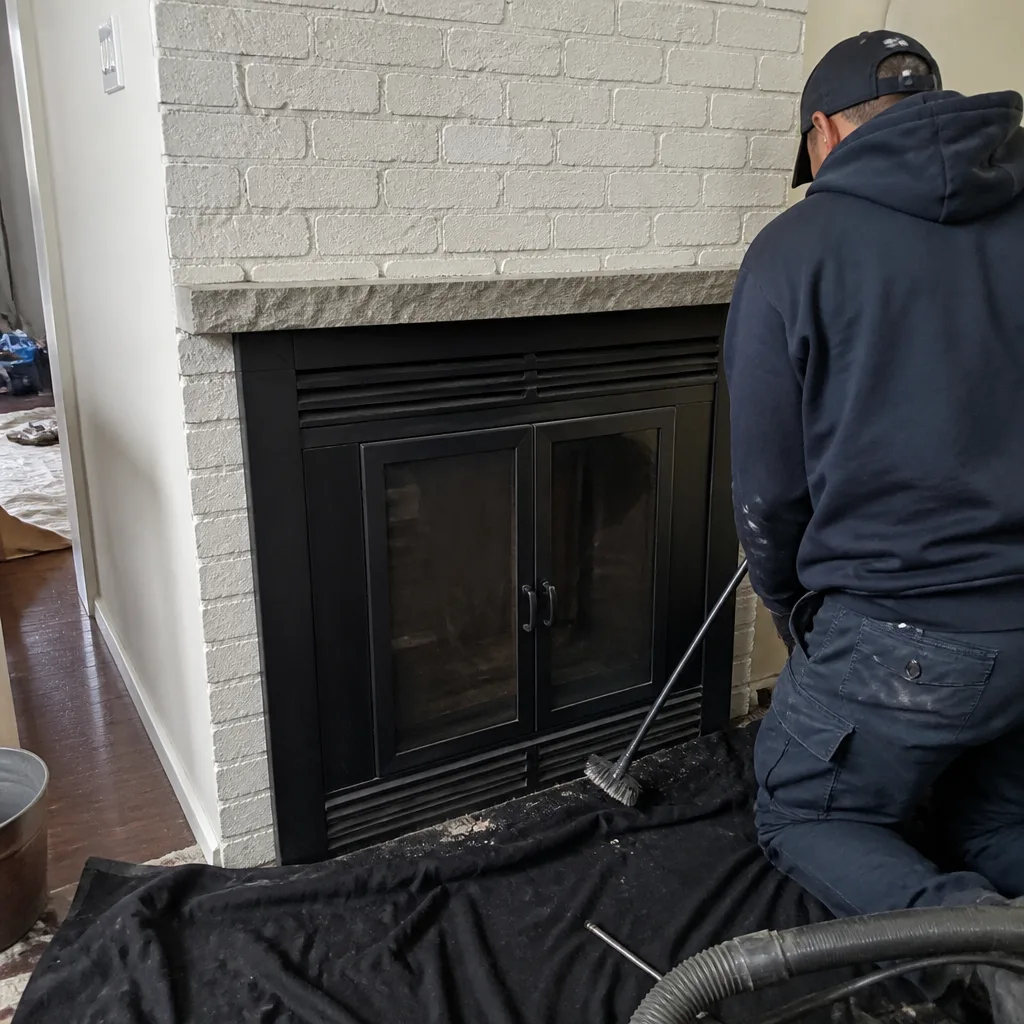 After
After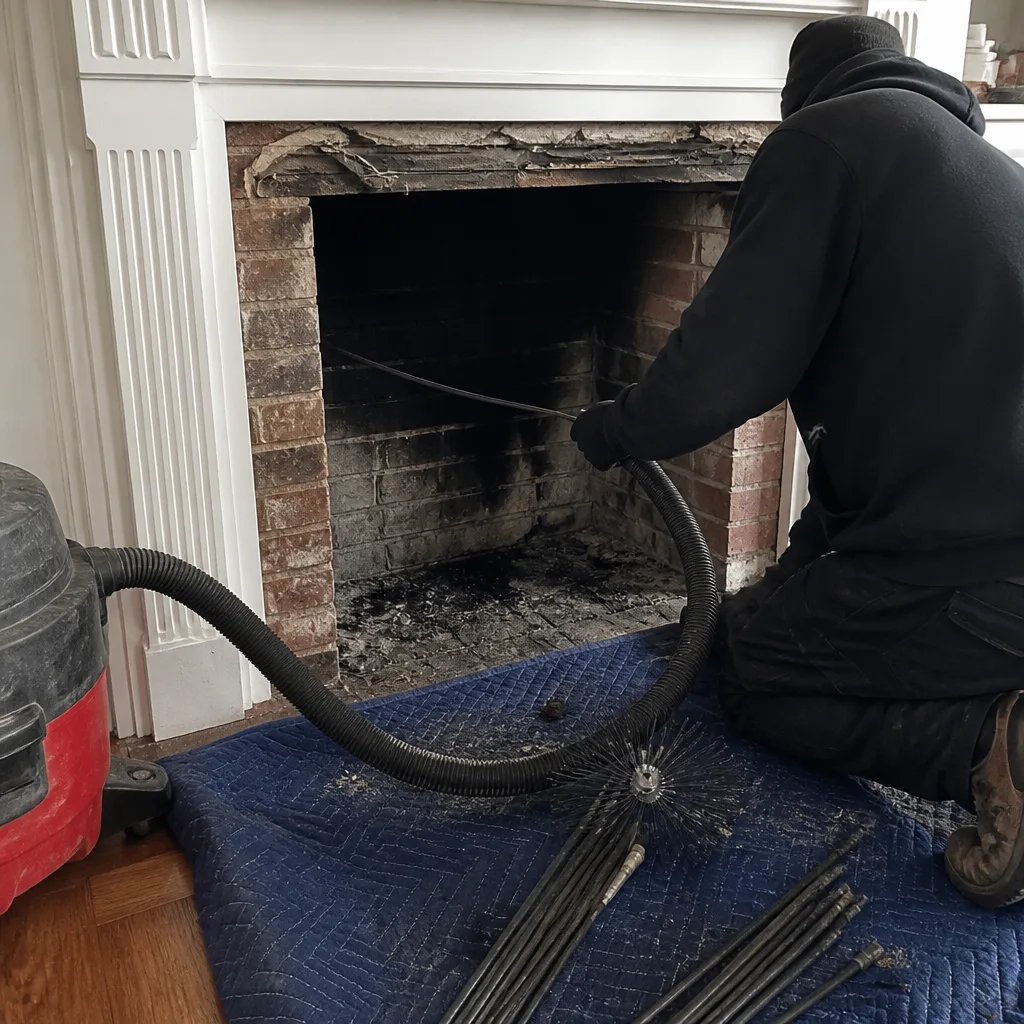 Before
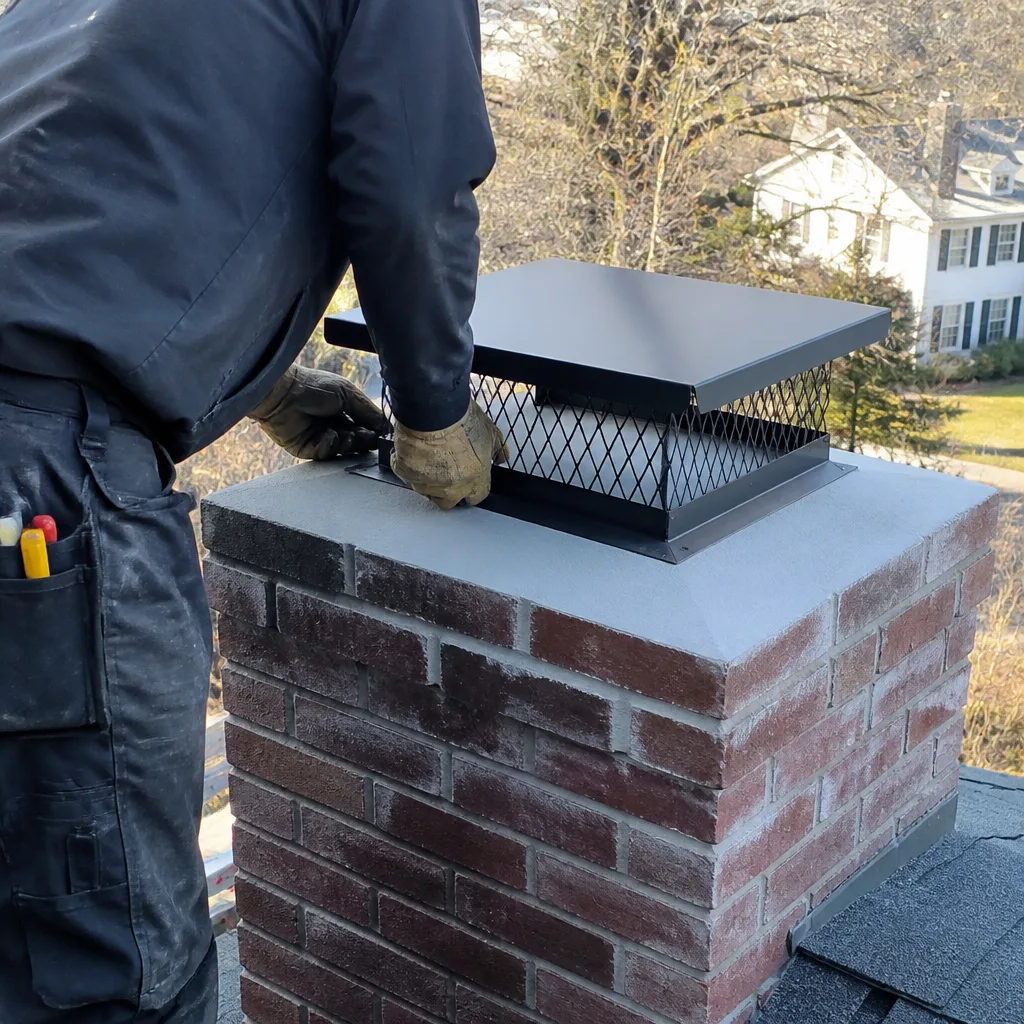 After
AfterChimney Cleaning Permits, Codes & Inspections in NY: What You Need to Know
A Westchester County home sale fell through last fall because a flue relining job done three years earlier had no permit and no inspection. The seller had no idea one was required. The sweep never mentioned it. The buyer’s attorney caught it during the title search, and the whole deal collapsed over a $400 liner job that should have taken a morning. This complete guide to chimney cleaning in Rye will show you exactly where the line sits between routine cleaning, which needs no permit anywhere in New York, and repair or alteration work, which can need permits, inspections, and documentation you’ll want in hand years later when you sell. If you live in Rye or anywhere else in the state, you’ll leave here knowing what to ask before the first tool comes off the truck.
Quick Answer
Routine chimney sweeping and cleaning in New York does not require a permit, and neither does a standard visual inspection. But the moment work crosses from cleaning into repair, relining, or structural alteration of the flue or firebox, you enter permit territory under the New York State Building Code, and local enforcement in cities like Rye adds another layer. The rule of thumb: maintenance is unpermitted, alteration is permitted, and the difference is not always obvious to a homeowner.
Table of Contents
- The Line Between Cleaning and Alteration Under New York Code
- How Rye’s Local Code Enforcement Interacts with State Code
- What an NFPA 211-Compliant Inspection Actually Requires
- The Certificate of Occupancy and Chimney Work: What Rye Homeowners Need to Know
- Why a Sweep Who Volunteers Permit Information Is the One to Trust
- Common Mistakes to Avoid
- When to Call a Professional
- Frequently Asked Questions
The Line Between Cleaning and Alteration Under New York Code
The New York State Building Code, which adopts and amends the International Residential Code, draws a clean distinction between maintenance and alteration. The distinction matters because only one of them triggers a permit. A chimney sweep pushing a brush up a flue, vacuuming out the smoke chamber, and taking a look at the firebox is performing maintenance. No permit. No inspection. The code treats it the same way it treats replacing a furnace filter or cleaning gutters.
An alteration is different. Relining a flue with a stainless steel liner like those from DuraFlex or HeatShield is an alteration. Rebuilding a firebox is an alteration. Replacing a chimney crown, installing a new cap that changes the flue termination, or knocking out and replacing brickwork above the roofline all cross the line. Under New York State Building Code Section 105, any construction or alteration to a structure requires a permit from the authority having jurisdiction. A chimney is part of the structure. Once you cut into it, replace its functional components, or change how it vents, you’ve altered it.
Here’s the practical breakdown we use when talking to homeowners in Rye and surrounding towns:
- No permit required: chimney sweeping, creosote removal, visual inspection, camera inspection, smoke chamber cleaning, minor mortar touch-up that doesn’t affect structural integrity.
- Permit required: flue relining, firebox rebuild, chimney crown replacement, cap installation that alters flue height or termination type, masonry repair involving removal of more than a single brick, converting a wood-burning fireplace to gas, installing a wood stove with new venting.
- Gray area, ask the building department: parging a smoke chamber, sealing damaged flue tiles with resurfacing products, installing a top-sealing damper that changes the flue opening.
The gray area is where homeowners in Westchester County get into trouble. A residential chimney sweep in New York is not required to hold a state chimney contractor’s license, because New York doesn’t issue one. That means the burden of knowing whether a job needs a permit often falls on the homeowner, unless the sweep or contractor is willing to tell you. Most national outfits won’t bring it up, because mentioning permits scares off the sale. In our experience, that silence is a tell. More on that below.
Rye’s housing stock makes this especially relevant. Many homes here date from the 1920s through the 1960s, and plenty still have original unlined flues or clay tile liners that are cracked and spalling. The day a homeowner decides to fix that properly with a reline, they’ve stepped from maintenance into alteration, as outlined in our Chimney Cleaning & Sweep Maintenance Checklist for Rye Homeowners. The same is true for the colonial-era chimneys in the Soundview area and the mid-century ranches north of Playland. Older home, older chimney, more likely the fix is an alteration, not a cleaning.
How Rye’s Local Code Enforcement Interacts with State Code
New York is a home rule state, which means local governments can adopt stricter requirements than the state code. Rye does exactly that for chimney work. The City of Rye Building Department enforces the New York State Building Code through its own permit process, and it requires permits for work that a more permissive town might wave through. If you’re a Rye homeowner and you have any doubt whether your chimney job needs a permit, you call the City of Rye Building Department directly. The staff is small, they answer the phone, and they’ll tell you what they need to see. That’s a better answer than you’ll get from a national call center.
The interaction between state code and local enforcement works like this, in three steps:
- State code sets the floor. New York State Building Code says alterations to a chimney require a permit. No town can make that requirement weaker.
- Local departments set the procedure. Rye’s Building Department decides what documentation you file, what fee you pay, and whether an inspector must visit before the work starts, after the work is done, or both.
- The certificate of occupancy ties it together. If the work is substantial enough to require a permit, Rye may require the final inspection to be noted before the property’s certificate of occupancy is considered current. We’ll cover that in its own section.
Rye also has specific requirements for fireplace and chimney work in homes within its historic districts. If your home is in a designated historic district, the City of Rye Landmarks Advisory Committee may need to review exterior changes before the Building Department will issue a permit. That applies to cap replacement, crown work, and any chimney masonry repair visible from the street. It’s an extra step, but it protects the character of neighborhoods like the ones around Rye Golf Club and down along Forest Avenue. Ask about it when you call the Building Department. If the person you reach doesn’t mention it, ask again.
One more Rye-specific note: the city’s proximity to Long Island Sound means chimneys here take a beating from salt air and nor’easters. Crowns crack earlier, flashing fails sooner, and brick spalls faster than it does ten miles inland. The result is more alteration work, sooner, than homeowners expect. That’s not a reason to skip the permit process. It’s a reason to plan for it.
What an NFPA 211-Compliant Inspection Actually Requires
NFPA 211 is the National Fire Protection Association standard for chimneys, fireplaces, and vents. It’s the standard a competent sweep follows when inspecting a chimney, and it’s the standard a homeowner’s insurance carrier may turn to if you ever file a claim. A compliant inspection, which is what a thorough chimney cleaning and sweep in Rye should include, requires the sweep to document specific conditions and findings. Not a quick glance up the flue, but a systematic look at the entire venting system from firebox to termination.
Here’s what a real NFPA 211 Level 2 inspection requires, which is what you should expect any time a property changes hands or any time a chimney has been through a fire, lightning strike, or structural event:
- All accessible portions of the flue, interior and exterior, examined by camera or other means, not just the first few feet from the hearth.
- Clearance to combustibles check, measuring the distance between the chimney and any wood framing, insulation, or other combustible material.
- Flue liner condition documented in the report, including specific notes on cracks, spalling, missing joints, or the absence of a liner altogether.
- Creosote and soot accumulation measured and recorded, with a classification of first, second, or third degree. First degree is a brush job. Third degree is a glaze. Every sweep who has been at this for a while has seen both in the same week.
- Connector and thimble condition for stoves and inserts, including the connection point from appliance to flue.
- Cap and crown condition with notes on whether the flue is properly protected from rain, snow, and animals.
The documentation part matters more than homeowners in Rye usually realize. If a chimney fire occurs and you file a homeowner’s insurance claim, the carrier will want to see evidence that the chimney was properly maintained. An NFPA 211 inspection report from the prior year is that evidence. It shows you did what a reasonable homeowner should do. If you skipped the inspection for a decade and then had a chimney fire, the adjuster may have questions you don’t want to answer. Your flue doesn’t care how the fire looks. It cares how it breathes, and the insurance company cares whether you asked anyone to check.
A note on what a sweep’s documentation should include, because this is where boilerplate reports fall short: the report should state the date of inspection, the type of inspection performed, the tools used, the findings in plain English, the photos or video captured, and any recommendations with a clear statement of urgency. A report that says “inspected, needs cleaning” is not NFPA 211 compliant. A report that shows the camera footage and gives you a plain-English verdict, every time, is what you should demand. We’ve been doing it that way since 1999, and Wendell won’t sign off on work unless you’ve seen the proof with your own eyes.
The Certificate of Occupancy and Chimney Work: What Rye Homeowners Need to Know
A certificate of occupancy, or C of O, is the document that says a building is safe and legal to occupy under the code that was in effect when it was constructed or last substantially altered. In Rye, as in most New York municipalities, you don’t need to update your C of O for routine maintenance. Cleaning your chimney does not touch it. Replacing a cap does not touch it. But relining a flue, rebuilding a firebox, or converting a fireplace from wood to gas can.
The rule of thumb we give homeowners in Rye: if the job required a permit, ask the Building Department at the time of the permit whether the final inspection will update the C of O, or whether the work simply gets noted in the building file. In Rye, for most chimney repairs, the C of O does not need to be reissued, but the permit and inspection record remains attached to the property. That record is what a buyer’s attorney pulls during due diligence. It’s what caught that Westchester seller in the opening of this guide.
Here’s what that means in practice, in four steps:
- Permit pulled and work done. The job itself may take a morning or a day. No big deal at the time.
- Inspection scheduled and passed. The inspector comes, looks at the work, signs off. The permit is closed.
- The file lives on. Rye keeps the permit and inspection records tied to the property address. Years later, they still exist.
- Resale due diligence finds it. The buyer’s attorney asks for permits and inspections on all major work. If the reline has no record, the buyer has leverage. If it has a record, it’s a non-issue.
The C of O itself is most likely to need updating if the chimney work is part of a larger renovation, or if the fireplace or wood stove installation changes the heating configuration of the house. Installing a wood-burning insert where no insert existed before is a change to the heating system. That’s a permit, and it may be a C of O update. Installing a gas log set where a wood fireplace already existed is less likely to trigger it. When in doubt, ask the Building Department before work starts. The question takes thirty seconds on the phone, and it can save you a stalled sale later.
Why a Sweep Who Volunteers Permit Information Is the One to Trust
This is the part most guides don’t say out loud. A chimney sweep in New York is not required by law to tell you when a job needs a permit. The permit is the property owner’s responsibility. A sweep who simply swings a brush, cleans the flue, and doesn’t mention permits isn’t breaking the law. But a sweep who does mention permits is doing something a lot harder: they’re putting your long-term interests ahead of their short-term sale.
The national franchises that rotate through Westchester County are built on volume. The technician who arrives at your door has a quota. The company has a call center in another time zone. When a reline job comes up, the last thing they want to do is mention that the homeowner needs to pull a permit from the City of Rye before work starts. That’s friction. That kills the sale. So they skip it. And the homeowner doesn’t find out until they’re sitting at a closing table three years later and the buyer’s attorney asks for the permit that never existed.
A local sweep who has worked the same communities since 1999 cannot afford that silence. Wendell Pike puts his name on every job from Top Hat Chimney home and runs into you again on Saturday at the hardware store or the farmers market. If he does a reline without mentioning the permit and you get burned at resale, he hears about it. Word travels. Ask anyone on your street. That’s the difference between an owner-operated local business and a franchise that rotates crews through town.
Here’s the practical test we recommend to every homeowner in Rye:
- When you get a quote for any chimney work beyond a standard cleaning, ask one question: “Does this job require a permit, and will you pull it or will I?”
- If the answer is immediate and specific, you’re talking to someone who either knows the code or knows who to call. That’s good.
- If the answer is vague, something like “you should check with the town” without any follow-up, you may be talking to a sweep who is hoping you won’t ask.
- If the answer is dismissive, something like “nobody pulls permits for that around here,” be careful. The fact that other people skip permits doesn’t make the work legal, and it doesn’t protect you at resale.
- If the sweep volunteers the permit information before you ask, that’s the strongest signal you’ll get. It means they’ve thought about your resale risk, not just their invoice.
Top Hat Chimney has been telling homeowners in Rye and across Westchester County to pull permits when permits are required since the day Wendell founded the company in 1999. The 90-Day Done Right Promise is in writing on every job, but the permit conversation happens before the quote is signed. That’s not a marketing line. It’s the way he has always worked.
Common Mistakes to Avoid
- Assuming a sweep’s silence means no permit is needed. A national chain technician who doesn’t mention permits is not giving you legal advice. They’re just not mentioning permits. The responsibility is yours. Ask the question directly.
- Treating a reline as a simple repair. Sliding a new stainless steel liner into an old flue is an alteration under New York State Building Code. In Rye, that means a permit. Skipping it strings a risk through your resale for years.
- Letting the first person with a brush tell you the flue is shot. Third-degree creosote is a glaze, but it’s a brush job before it becomes a glaze. Get the camera footage. A sweep who won’t show it is selling you something.
- Skipping the annual inspection because you skipped the fires. Once a year, burn or no burn. Chimneys break in the off-season too. Cracked crowns don’t need a fire to let water into the brickwork.
- Waiting until October to call. Every sweep in Westchester County is booked solid by the first cold snap. The time to schedule is spring, when you are done burning and the creosote has had a winter to build.
- Assuming the C of O takes care of itself. Most chimney repairs in Rye don’t require a C of O update, but a wood stove installation or fireplace conversion might. Ask the building department. It’s a thirty-second phone call.
- Trusting a quote that arrives without anyone having looked at the chimney. The number you hear on the phone should be the number on the invoice, and it should be based on a real look. If someone quotes a reline without seeing the flue, that price is a guess dressed up as a fact.
When to Call a Professional
Call a professional if you see soot raining into the firebox, smell smoke when the fire isn’t lit, notice white staining on the brickwork outside, or find pieces of flue tile at the base of the chimney. Those are signs the flue is telling you something before it becomes a bigger problem. Call if you have had a chimney fire, even a small one. Call if you just bought a house and the seller can’t produce a recent inspection report. Call if you have not had the chimney looked at in more than two years, burn or no burn. Top Hat Chimney offers free estimates in Rye. Call (914) 685-6096 and you’ll get a live person, not a voicemail box.
If you need work beyond cleaning, ask whether the job needs a permit. Wendell will tell you. If the answer is yes, our chimney repair services in Rye include helping you understand what the Building Department needs, and we’ve worked with enough local inspectors over the years that the process is usually straightforward.
Frequently Asked Questions
No. Routine chimney sweeping and creosote removal is classified as maintenance under the New York State Building Code and does not require a permit anywhere in the state, including Rye. A standard visual or camera inspection also requires no permit.
Flue relining, firebox rebuilds, chimney crown replacement, cap installation that changes the flue termination, and structural masonry repair all require a permit from the City of Rye Building Department. When in doubt, call the department before work starts. Call (914) 685-6096 and we’ll help you figure out whether your job falls in permit territory.
Once a year, regardless of how often you use the fireplace. New York’s freeze-thaw cycles and salt air along the Sound put extra stress on chimneys in Rye, and creosote builds even during mild burning seasons. Annual sweeping is the recommendation we give every homeowner.
Creosote builds in layers. First-degree creosote is a brush job. Third-degree is a glaze that can require chemical treatment or mechanical removal, and once glazed creosote reaches a certain thickness, it is a fuel load for a chimney fire. Cracked flue tiles also go unnoticed, which means carbon monoxide can seep into the house. The consequences are real and the fix is cheaper the earlier you catch it.
Yes. Under New York State Building Code, relining is an alteration because it changes the functional venting system of the house. Rye’s Building Department takes the same view. The permit protects you at resale, and a buyer’s attorney will look for it.
Yes. We’ve been doing this in Rye and across Westchester County since 1999, and part of the service is telling you straight whether your job is maintenance or alteration. If it needs a permit, we’ll say so before you sign anything. For fireplace work, our fireplace services in Rye include that same permit conversation on day one. Call (914) 685-6096 for a free estimate.
The Bottom Line
Cleaning your chimney in New York needs no permit. Fixing it often does. The line sits between maintenance and alteration, and knowing where it sits protects you from the resale nightmare that caught that Westchester seller off guard. In Rye, the Building Department enforces the state code with its own permit process, and a thirty-second phone call answers any gray-area question. Get an NFPA 211 inspection on paper every year, because your insurance company may ask for it, and a buyer’s attorney will. Finally, judge a sweep by whether they volunteer permit information before you ask, and explore our more guides & resources to stay informed. The ones who do are the ones who plan on seeing you around town after the job is done.
Written by Wendell Pike, Owner at Top Hat Chimney, serving Rye since 1999.