
Last updated September 10, 2026
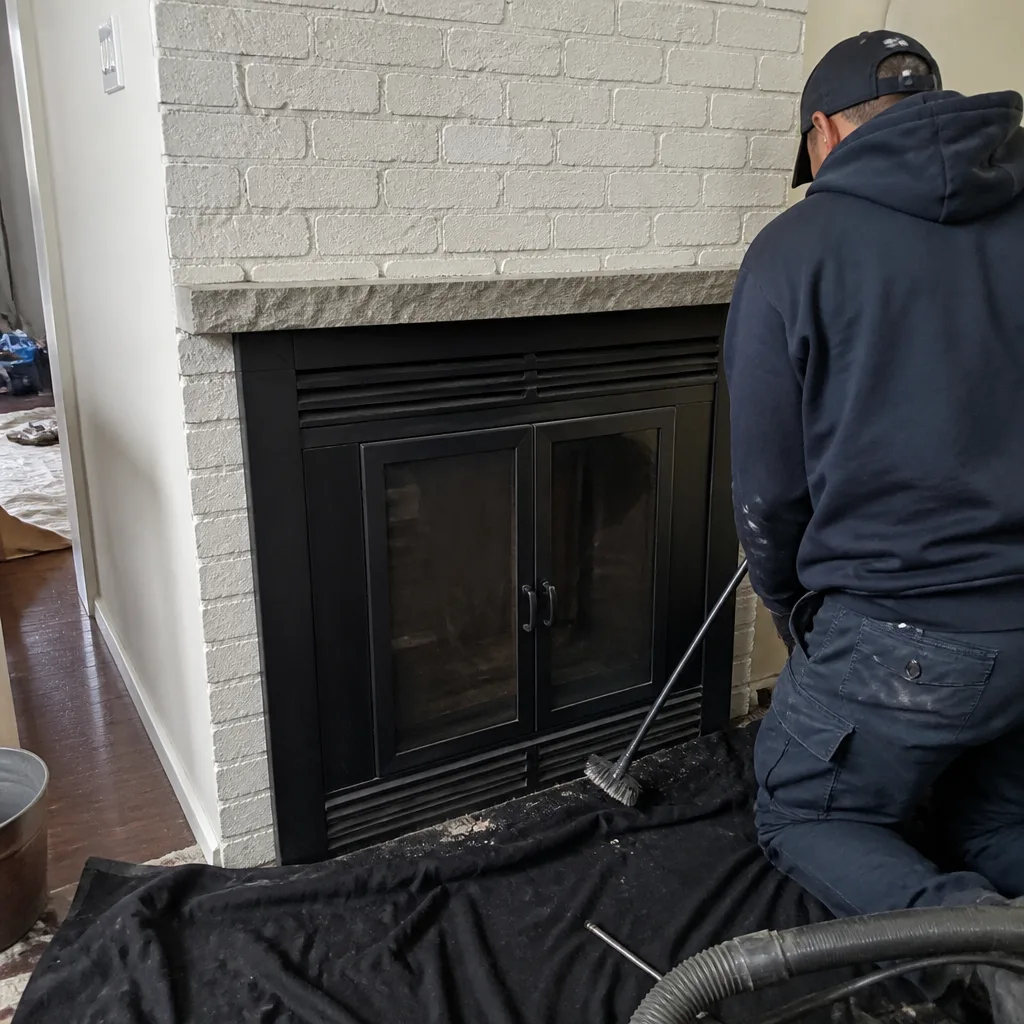
Level 1 sweep and inspection to the NFPA 211 annual standard - flue, crown, cap, and flashing checked and photographed
Chimney sweep logs do not sweep chimneys. They loosen some creosote - which then falls where a brush and vacuum still have to collect it.
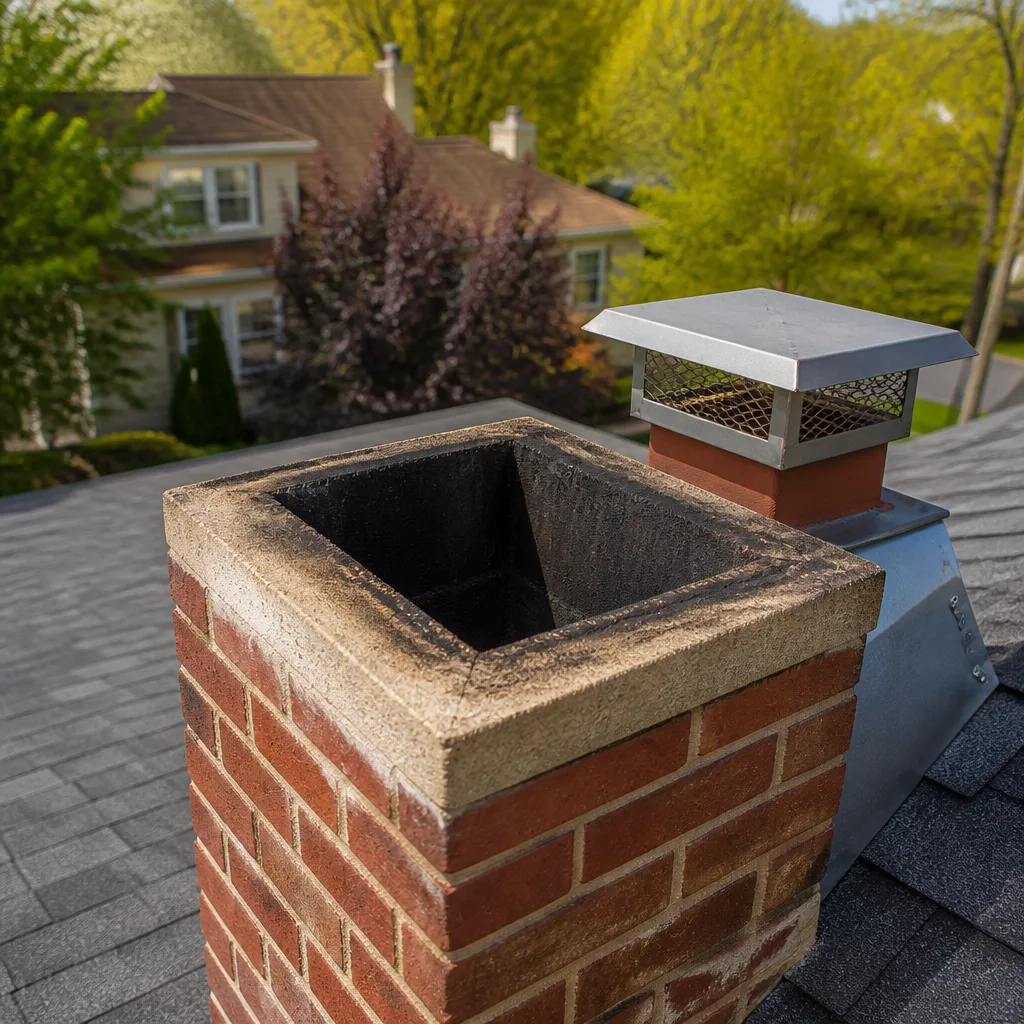
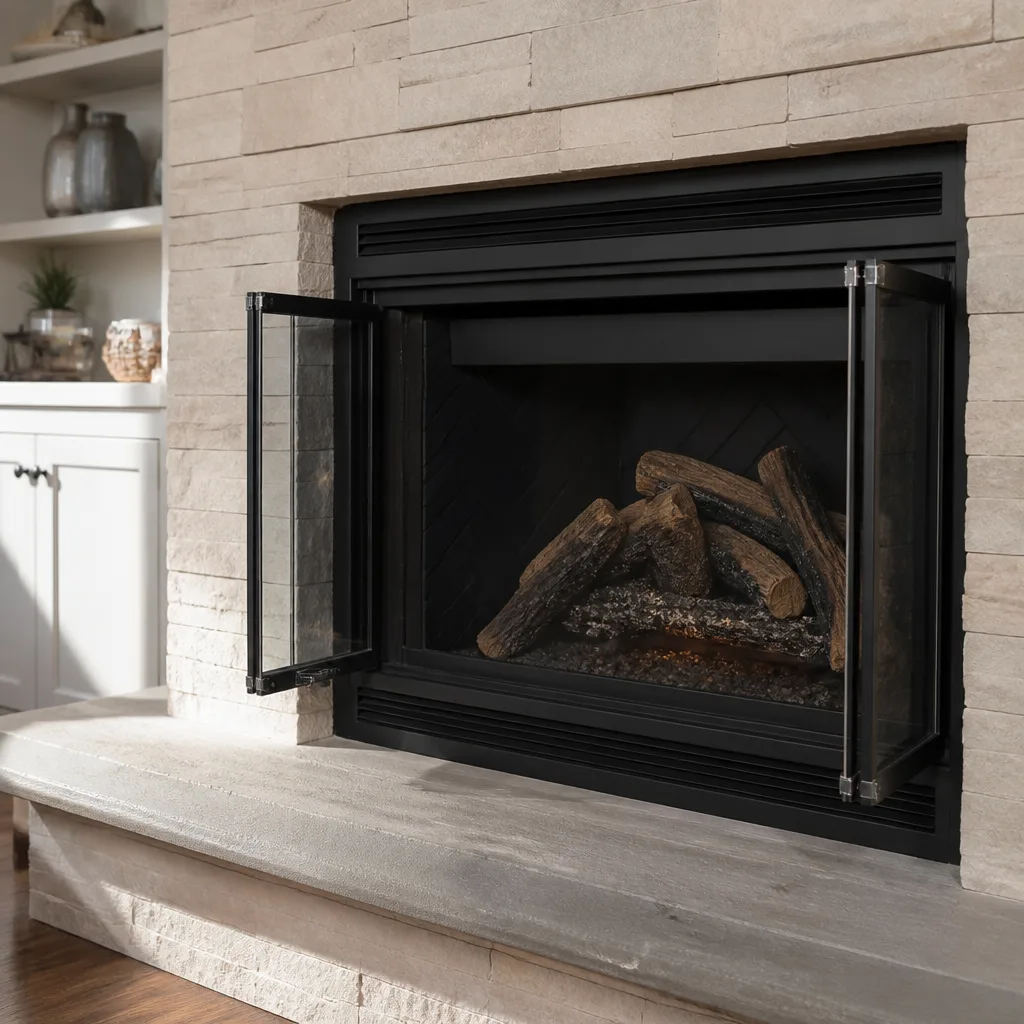
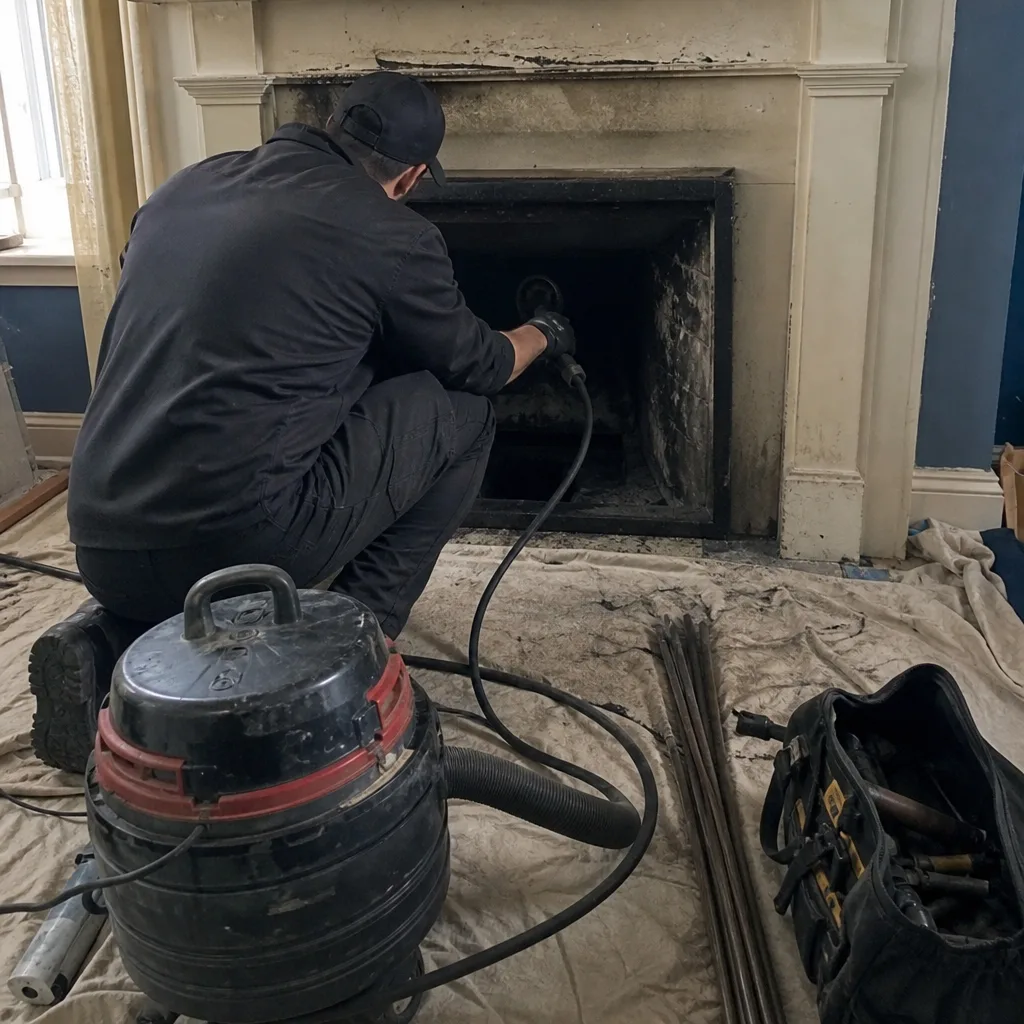 Before
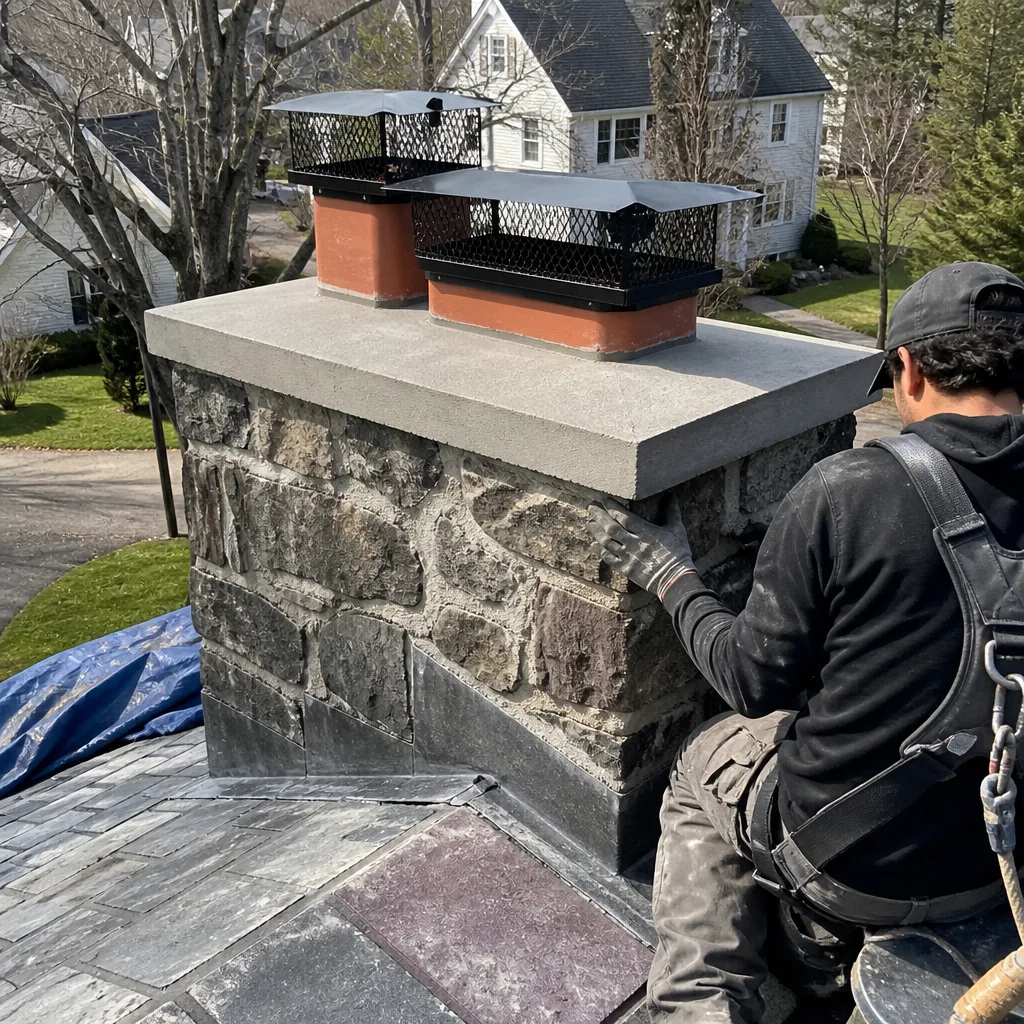 After
After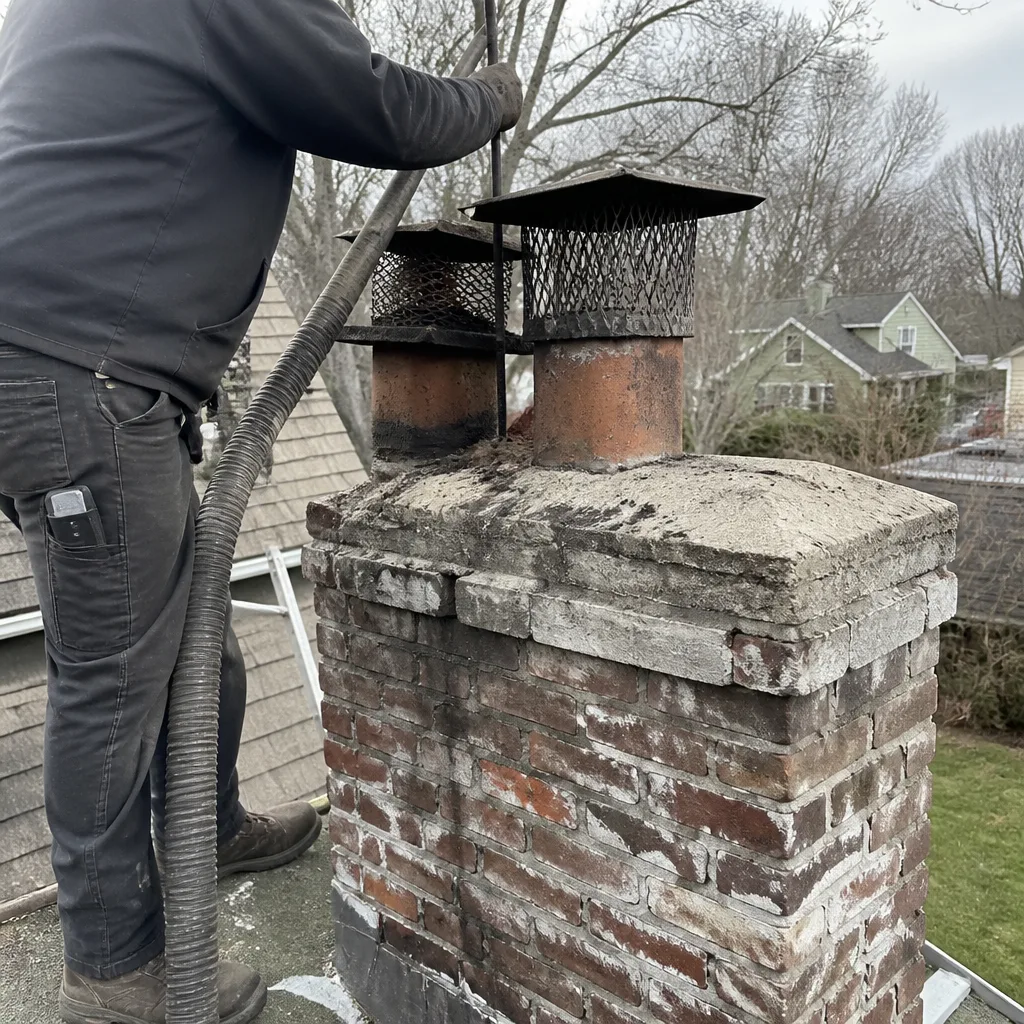 Before
 After
After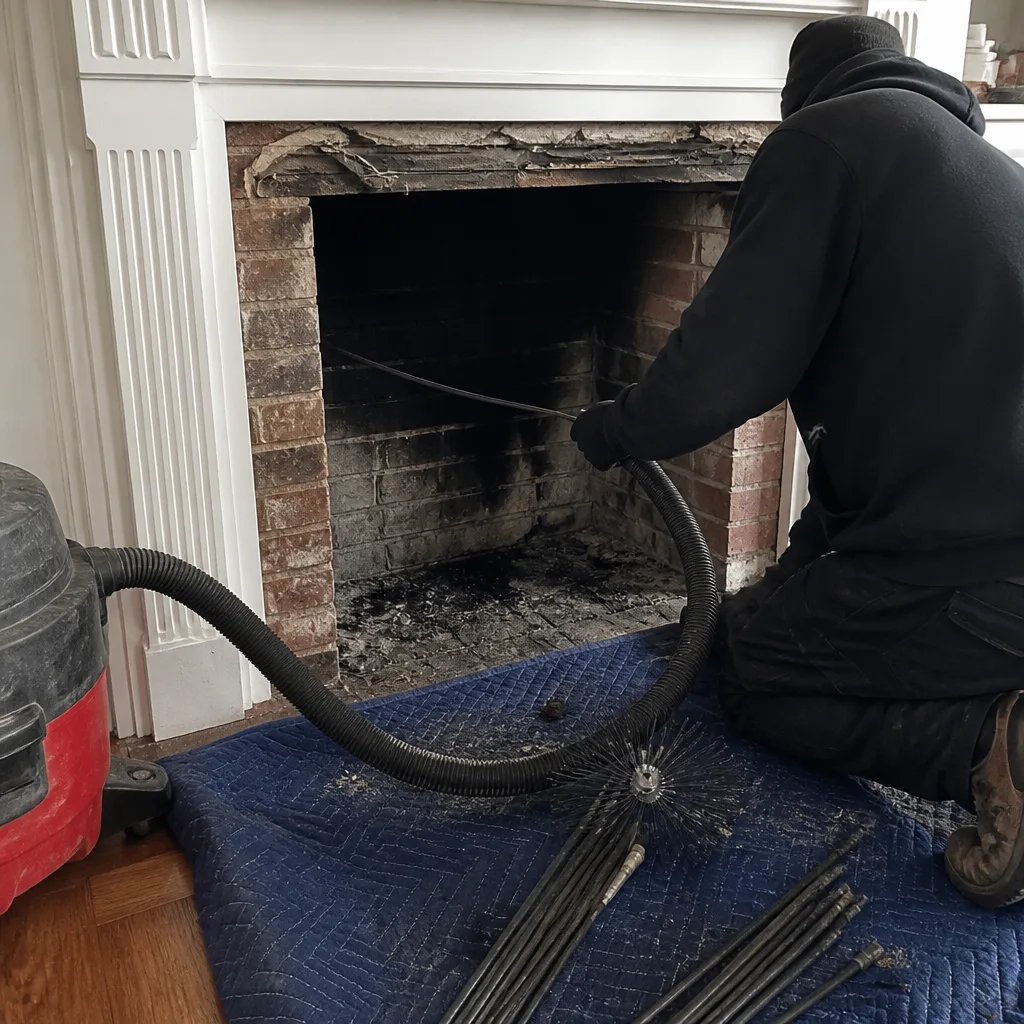 Before
 After
AfterSeasonal Chimney Cleaning Care for Rye: Year-Round Homeowner’s Guide
The month most Rye chimneys suffer the most damage isn’t January. It’s March. That’s when freeze-thaw cycling hits its worst point, and most homeowners have already mentally closed the book on fireplace season. Water has been sneaking into hairline cracks all winter, and now it’s expanding and contracting daily, turning small fissures into structural problems while nobody’s looking. This guide walks you through what actually happens to a chimney in this corner of Westchester, season by season, and what to do about it before the damage gets expensive. Written from the perspective of someone who has swept and repaired chimneys in Rye since 1999, this is the year-round plan most chimney companies never lay out for you.
Quick Answer
Seasonal chimney care in Rye means following a Chimney Cleaning & Sweep Maintenance Checklist for Rye Homeowners: sweeping once per cord of wood burned (or at minimum once per year), inspecting in spring to catch freeze-thaw damage to mortar and clay tile liners, and waterproofing or capping in summer before animals and rain move in. The ideal cleaning window in Rye is late September to mid-October, before the first cold snap and while sweeps still have scheduling flexibility. A properly maintained chimney doesn’t need constant attention, but skipping the off-season tasks is how small cracks become $3,000 liner jobs.
Table of Contents
- Why Rye’s Climate Is Harder on Chimneys Than Most Homeowners Realize
- Fall: Why Late September to Mid-October Is the Sweet Spot for a Sweep
- Winter: Mid-Season Signs You’re Burning Dirtier Than You Think
- Spring: What a Hard Westchester Winter Does to Clay Tile Liners
- Summer: The One Task That Prevents Most Animal and Water Damage
- The Honest Math: Matching Sweeps to Cords Burned, Not a Calendar
- Common Mistakes to Avoid
- When to Call a Professional
- Frequently Asked Questions
- The Bottom Line
Why Rye’s Climate Is Harder on Chimneys Than Most Homeowners Realize
Rye sits close enough to Long Island Sound to catch humid air off the water, far enough north to get real January freezes. That combination is rough on masonry. The freeze-thaw cycle is the main culprit: water works its way into pores and hairline cracks in brick, mortar, and crown, then expands when temperatures drop below 32 degrees. One freeze-thaw cycle is negligible. Forty of them in a single winter, which Rye regularly sees, is how you get spalling brick and crumbling mortar joints.
Chimneys in Rye also contend with salt air from the Sound. It’s not as aggressive as oceanfront exposure, but it accelerates surface wear on crowns and caps. Add in the fact that many Rye homes date back to the early-to-mid 20th century, which means aged masonry and flue liners that predate modern standards. We see chimneys in the Milton Point and Greenhaven neighborhoods that have been standing for 80 years, and the ones that survive are the ones that got regular, unglamorous maintenance. The ones that didn’t are the ones we’re rebuilding in April.
Your flue doesn’t care how the fire looks. It cares how it breathes. And in Rye’s climate, it breathes humid salt air in the summer and cold, wet air all winter. The seasonal schedule that follows is built around those specific pressures.
Fall: Why Late September to Mid-October Is the Sweet Spot for a Sweep
The fire industry tells you to get your chimney swept in the fall, which is true but incomplete. The real question is when in the fall. In Rye, the answer is late September to mid-October, and here’s why that matters more than most homeowners realize.
First, scheduling. Every sweep in Westchester is booking three to four weeks out by the time the first cold snap hits in November. Call in September and you’ll pick a day that works for you. Call on the first freezing night in November and you’ll take whatever slot you’re given, or wait until December. Second, condition. A chimney swept in late September is clean before the first fire of the season, which means you’re not baking last winter’s creosote residue onto the flue walls with a fresh, hot fire. Leftover creosote from last season hardens and glazes when exposed to high heat again. First-degree creosote is a brush job. Third-degree is a glaze, and that’s a much more involved removal. Catch it early.
Third, the inspection that comes with the sweep. When Wendell shows up at a Rye home in early October, he’s checking the cap, the crown, the flashing, the tile liner, and the damper before the weather turns. A cracked cap caught in October is a $200 fix. A cracked cap ignored until January is a water path into the chimney chase, and now you’re dealing with rot, rust, and possibly a mold issue by spring.
Here’s the fall routine we recommend for Rye homeowners:
- Sweep and inspect in late September or early October. Even if you haven’t burned much, animals and debris have had a full spring and summer to move in. Raccoons and squirrels in Rye chimneys are a regular discovery this time of year.
- Check the cap and crown visually from the ground. You’re looking for rust, cracks, or missing pieces. If you can see daylight through the cap from below, call someone who can get on a ladder safely.
- Test the damper before the first fire. Open and close it fully. If it’s stiff, rusted, or doesn’t seat fully, address it now. A damper that doesn’t close properly is how heated air escapes all winter.
- Stock dry, seasoned hardwood. Green or wet wood is the fastest path to creosote buildup. In Westchester, wood needs to be split and stacked under cover for at least six months, preferably twelve.
- Know your burn plan. If you plan to burn more than one cord this winter, schedule a mid-season check now and lock in the date.
For a deeper look at what a proper cleaning involves, see our page on Chimney Cleaning & Sweep in Rye.
Winter: Mid-Season Signs You’re Burning Dirtier Than You Think
You’ve had the October sweep. You’ve been burning since November. By January, even the tidiest fire habits leave residue. The question is whether what you’re seeing is normal or a sign that something’s off. Here are the mid-season signals that we tell Rye customers to watch for, because an interim check in January can prevent a full-scale problem in February.
A smell that’s not wood smoke. Burning creosote has a distinct smell: acrid, sharp, almost like asphalt or bad barbecue. If you catch it while the fire is going or after it’s out, that’s not normal fire smell. It means you have enough buildup that it’s starting to ignite in the flue or reek from the heat.
A draft that changes suddenly. Fires that started the season drawing well and now smoke back into the room are telling you something. Often it’s a partial blockage, a buildup of creosote narrowing the flue, or a damper that’s no longer opening fully due to soot accumulation on the mechanism.
Residue on the firebox floor. Light ash is normal. What’s not normal is black, shiny flakes that look like small chips of coal. That’s creosote shedding from the flue walls. If you’re seeing it, the flue needs attention sooner rather than later.
More smoke than fire. A properly burning hardwood fire throws off heat and a visible but controlled amount of smoke up the flue. If the room fills with smoke every time you open the doors to add a log, or smoke seeps out from around the dampener, something’s wrong with the draft.
When any of these show up, don’t wait until spring. An interim sweep in Rye costs less than most people expect, and it beats the alternative. Small fires in the flue happen without you knowing it, and each one compromises the tile liner a little more. If you’re burning wet or unseasoned wood bought from a roadside seller in Rye, you’re probably burning hotter and dirtier than you think, and you’re already seeing the effects. Call before February if the signs are there.
Spring: What a Hard Westchester Winter Does to Clay Tile Liners
This is the season Rye homeowners skip, and it’s the season that costs them. The thinking goes: fire season’s over, the chimney can wait. But the chimney just survived three to four months of freeze-thaw stress, and the damage is done and waiting to be discovered. Spring is when you catch it early, before it becomes a structural repair.
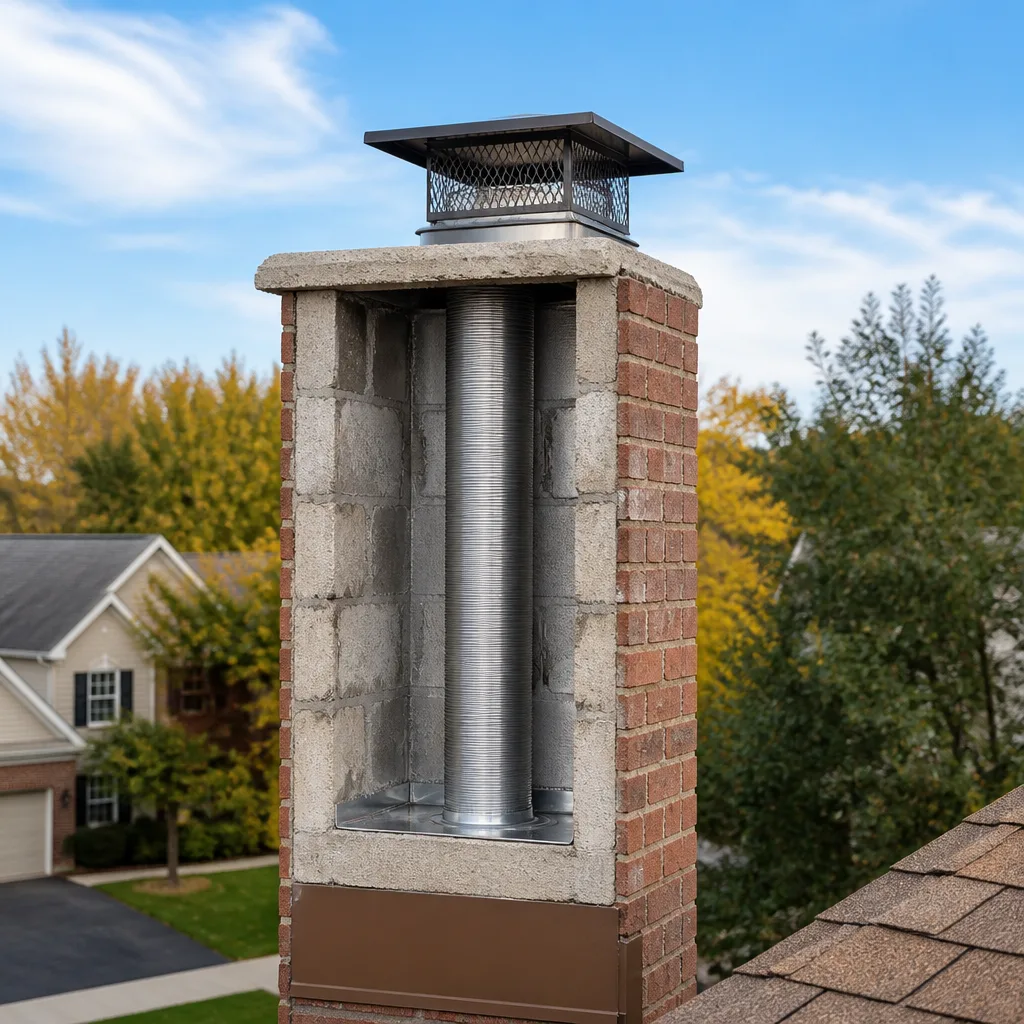
Clay tile liners are the standard in older Rye chimneys. They’re durable, fire-resistant, and surprisingly fragile when water gets involved. Here’s what happens: during the winter, moisture works into the mortar joints between tile sections. Every freeze pushes the joints apart a little more. By March, the tiles have shifted, cracked, or spalled, and now the path that carries smoke and gases up and out of your home is compromised. A cracked liner that could have been patched in April becomes a full relining job by August, once summer humidity and rain have gotten through and damaged the surrounding masonry.
A spring inspection should check:
- Tile condition: Hairline cracks, spalled faces, or shifted sections are all red flags.
- Mortar joints: Crumbling or missing mortar between tiles is how gases escape into the chimney chase.
- Crown condition: The concrete slab on top takes the brunt of weather. Cracks here let water flow straight down through the masonry.
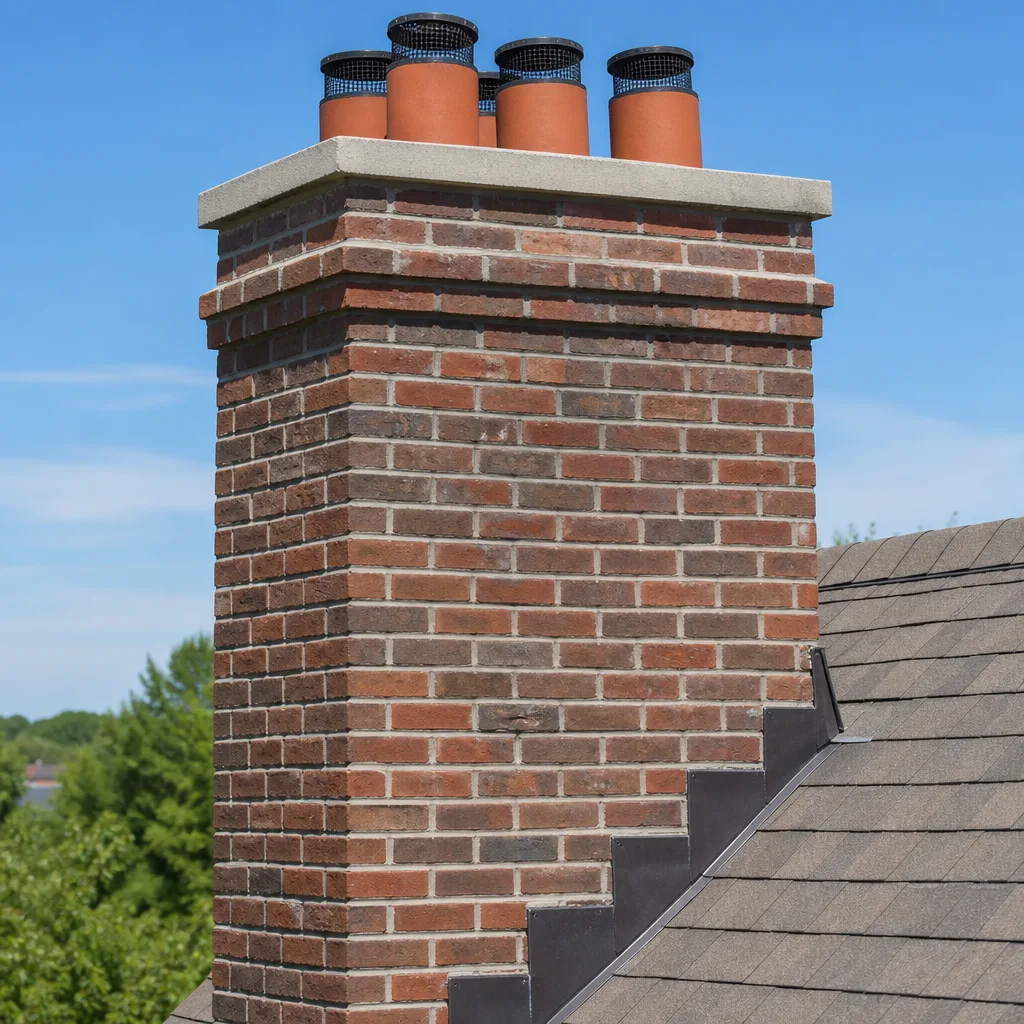
- Flashing: The metal seams where the chimney meets the roofline are where Rye’s wind-driven rain finds its way in.
- Smoke shelf and damper: Debris, rust, and creosote collect here over a long winter, and they tell a story about how well the flue was functioning.
We use a camera inspection on every sweep, and in spring it’s especially important. The damage we’re looking for is often invisible from ground level and even from inside the firebox. The camera footage and a plain-English verdict, every time, no exceptions. If the liner is intact, you’ve bought yourself another safe burning season. If it’s compromised, you’ve found out in May, not October, and you have months to plan the repair without a deadline breathing down your neck.
For more on what a spring inspection covers, see Chimney Repair in Rye.
Summer: The One Task That Prevents Most Animal and Water Damage
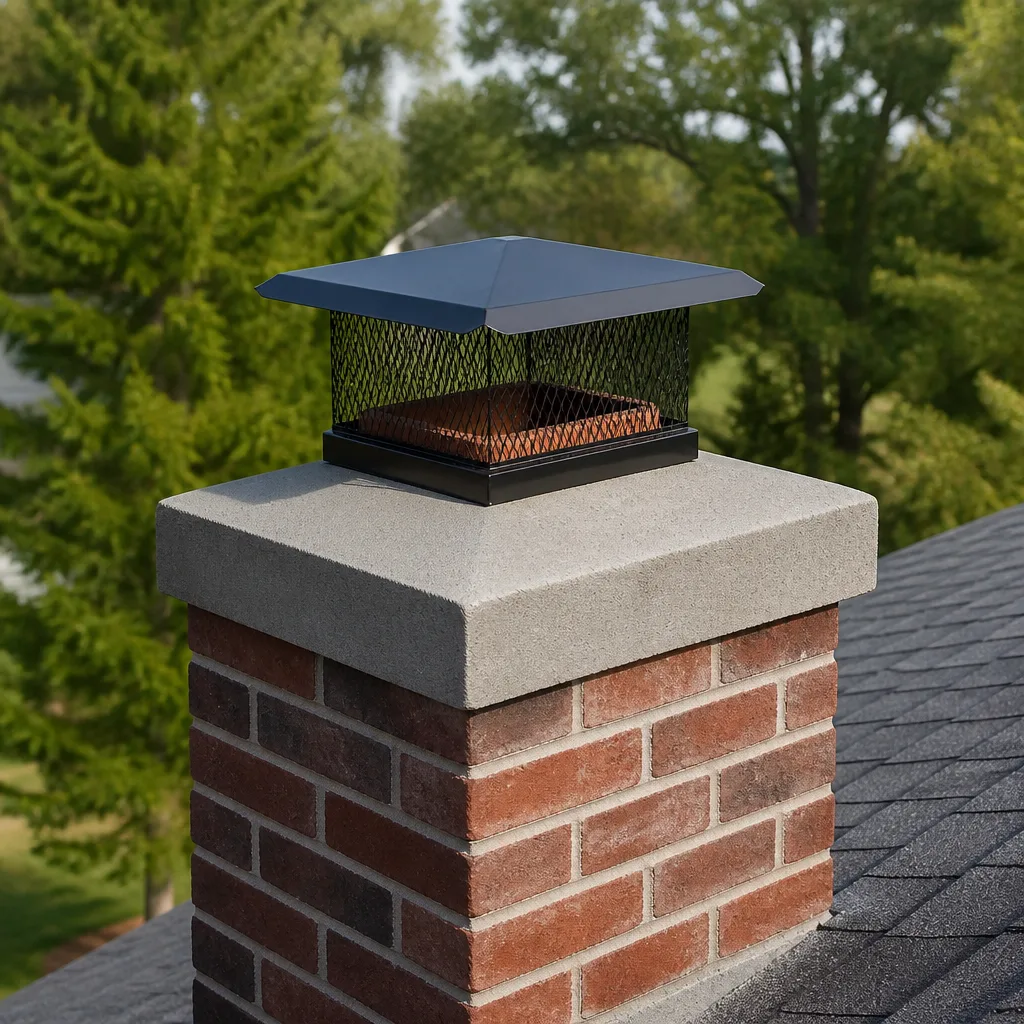
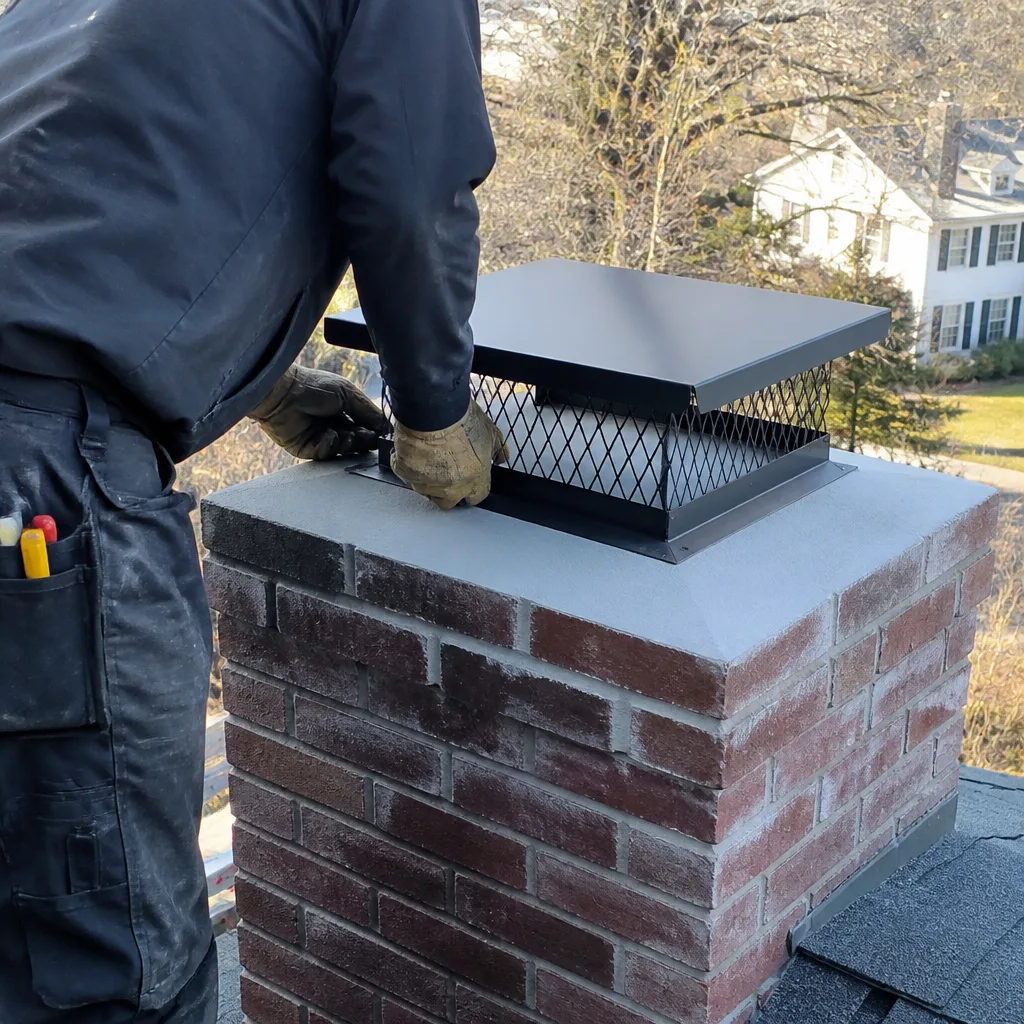
If there’s one thing you do in the off-season, make it this: verify that your chimney cap is intact and properly fitted. A correctly installed cap keeps out rain, and it keeps out the raccoons, squirrels, birds, and bees that otherwise find a dark, protected chimney chase irresistible. In our experience sweeping Rye homes since 1999, well over half of the off-season problems we see start with a missing, damaged, or improperly sized cap.
A cap costs between $150 and $400 installed in Westchester County, depending on the material and the size of the flue. Compare that to the alternative: removing a raccoon and its litter, then cleaning and sanitizing the flue, then repairing the screen it tore through, then capping it anyway. That’s a four-figure job that didn’t need to happen. The math is simple.
Summer is also the time for masonry waterproofing. Bricks and mortar are porous, and Rye’s humid summers plus frequent thunderstorms mean they’re absorbing moisture constantly. A breathable, siloxane-based waterproofing treatment lets trapped moisture escape while preventing new water from getting in. It’s not a one-time forever fix, but it’s the single most effective thing you can do to slow the freeze-thaw cycle that damages Rye chimneys every winter. Expect to reapply every four to six years.
What to do in summer, step by step:
- Check the cap from the ground with binoculars. Look for rust, gaps, missing screens, or a cap that’s clearly the wrong size for the flue.
- Look for signs of animals. Droppings on the firebox floor, scratching sounds in the walls, or a smell that’s more barn than basement are all giveaways.
- Schedule an inspection and waterproofing. Summer is the least busy time for chimney work in Rye, which means you’ll get more scheduling flexibility and the crew will have time to do the job thoroughly.
- Close the damper properly. It should seal tightly enough to keep humid summer air from flowing down into the house and musty odors from rising up into the room.
If the cap is damaged, the fix is quick and inexpensive compared to almost everything else in chimney work. Don’t let a small problem become a fall surprise. Once a year, burn or no burn. Chimneys break in the off-season too.
The Honest Math: Matching Sweeps to Cords Burned, Not a Calendar
The standard advice in the chimney industry is “sweep once a year, no matter what.” It’s safe advice, but it’s not honest advice for every home. Some Rye households burn a cord a year. Some burn four. They shouldn’t be on the same schedule. Here’s the math we use with customers, based on what creosote accumulation actually looks like in Westchester fireplaces.
Rule of thumb: one sweep per cord of hardwood burned. A full cord is 128 cubic feet of stacked wood. If you buy your wood in bulk from a local yard, you probably know how much you’re using. If you burn a cord or less per season, one sweep in the fall is probably enough. If you’re burning two cords or more, you need a mid-season check in January, and possibly a second full sweep depending on what the camera shows.
Variables that push you toward more frequent sweeps:
- Softwood burning. Pine and spruce burn hot and fast but create more resinous creosote, especially if not perfectly seasoned.
- Wet or unseasoned wood. If you see steam sizzling from the end grain when the wood is on the fire, you’re burning wet.
- Older stoves or inserts. Pre-EPA stoves burn less efficiently and leave more residue behind.
- Daily burning. A fire every night from November through March is a lot of hours in the flue, even with good wood.
- Restricted air supply. Burning with the damper throttled down or the glass doors closed reduces combustion temperature and increases creosote.
The honest math also includes the chimney’s age and condition. A 60-year-old masonry flue that’s been partially relined may need more attention than a newer stainless liner. We carry and install liners from DuraFlex and Copperfield for homes that need them, and a camera inspection tells us whether what you have is still doing its job. The point is to match the schedule to your actual burn rate. Once a year is the floor, not the ceiling. If you’re a heavy burner, twice a year is probably right for you, and we’ll tell you so plainly.
For more on how we approach cleaning, including what the camera shows, visit Top Hat Chimney home.
Common Mistakes to Avoid
- Waiting until the first cold snap to call for a sweep. By mid-November, every reputable sweep in Rye is booked out. Schedule in September and you’ll be warm in November while your neighbors are still waiting.
- Burning green wood because it was cheap or free. Unseasoned wood is the single biggest cause of rapid creosote buildup we see. If it hasn’t been split and stacked under cover for at least six months, it doesn’t belong in your fireplace.
- Ignoring a strange smell from the chimney. Acrid, chemical-like odors mean creosote is building up and possibly igniting in the flue. It won’t fix itself, and waiting makes it worse.
- Assuming the damper is fine because it opens. Dampers rust, warp, and get stuck in partially open positions. A damper that doesn’t seal properly is how you lose heated air to the outdoors all winter and pull mildewy air down in summer.
- Skipping the spring inspection because you’re done burning. Freeze-thaw damage happens all winter, and spring is the best time to catch it before it expands into structural work. Skipping spring means discovering the problem in October, when you’re facing the whole burning season with a compromised chimney.
- Assuming a cap is optional. A missing or damaged cap is an open invitation to rain, snow, and animals. The $200 fix in summer is a $1,500 fix by fall.
- Trusting a door-to-door sweep with no local history. Rye is a small community. Ask anyone on your street who they use. The best chimney company in Westchester is the one that’s been coming back for years, and that’s not a national franchise that rotated in last spring.
When to Call a Professional
Some things you can check from the ground. Some things you should never attempt yourself. Here’s when to pick up the phone. If you see cracks in the crown, gaps in the mortar joints, or water stains on the ceiling near the chimney, that’s a structural issue and it needs a professional eye. If you hear animals in the chimney or smell something that isn’t wood smoke, don’t wait. If your fire smokes back into the room, or you notice the black, shiny flakes of creosote on the firebox floor, call before you light another fire. And if you can’t remember when the chimney was last swept at all, it’s been too long. Top Hat Chimney offers free estimates in Rye, and Wendell or a member of his crew will give you an honest read on what’s needed. Call (914) 685-6096.
Frequently Asked Questions
Once per cord of wood burned, with once per year as the minimum. Most Rye homeowners who burn recreationally a few nights a week from November through March need one sweep per year. Heavy burners going through two or more cords should schedule a mid-season check in January. A camera inspection tells us exactly where you stand.
A standard sweep and inspection in Westchester County typically runs between $200 and $400, depending on the chimney’s size, condition, and accessibility-see our Chimney Cleaning Cost Breakdown: The Rye Homeowner’s Reference for 2026 for full details. Top Hat Chimney gives you the price upfront before any work begins. The number you hear on the phone is the number on the invoice, and there’s no trip charge inside the county.
Not always. Small hairline cracks can sometimes be addressed with a HeatShield or Gelco resurfacing system, which costs significantly less than a full relining. But if the liner has shifted sections, large cracks, or missing pieces, it needs to be replaced for safety. We never recommend a liner job without camera evidence you can see for yourself, and we’ll tell you plainly when the chimney can safely wait.
Creosote accumulates, narrows the flue, and eventually ignites. Chimney fires often burn quietly inside the flue, unnoticed until they crack the liner or spread to surrounding wood framing. Even without a fire, built-up creosote restricts draft, makes your fire smoke back into the room, and accelerates corrosion of the liner and damper. A skipped cleaning turns a $250 maintenance job into a $3,000 repair.
You can, but in most Rye homes it’s not worth the risk. Climbing on a roof in this part of Westchester in October, when roofs are slick with morning dew and leaves, is how homeowners get hurt. A professional sweep includes not just brushing but a full camera inspection, which is the part that actually tells you whether the chimney is safe to use. We’d rather you spend your Saturday on something else.
A smoky fireplace usually comes down to draft problems, not cleanliness. Cold air in the flue, a partially open damper, negative pressure from an exhaust fan, or a chimney that’s too short for proper draw can all cause smoke to spill into the room. If you’ve been swept and the smoke persists, the next step is a draft assessment. Top Hat Chimney’s crew can identify where the problem is and recommend the right fix, which is sometimes as simple as a damper adjustment. Call (914) 685-6096 for a free estimate.
The Bottom Line
A chimney in Rye lives through wet springs, humid summers, hard freezes, and long burn seasons. It needs more than a once-a-year glance, and it needs to follow Chimney Cleaning Permits, Codes & Inspections in NY: What You Need to Know. It needs a fall sweep before the first fire, a mid-season check if you’re burning more than a cord, a spring inspection to catch freeze damage, and a summer cap and waterproofing check to keep water and animals out. The schedule isn’t complicated, but it is specific to this climate. Follow it, and you’ll spend a little each year on maintenance instead of a lot every few years on repairs. Skip it, and the chimney will still be there, but that’s about all. Once a year, burn or no burn. Chimneys break in the off-season too.
Written by Wendell Pike, Owner at Top Hat Chimney, serving Rye since 1999. Explore more guides & resources on keeping your chimney safe.